سمینارهای شفاهی کنفرانس فیزیک ایران (1)
لینک دانلود سخنرانی های شفاهی بخش اپتیک و فوتونیک
+ نوشته شده در دوشنبه ۱۳۸۹/۰۶/۲۹ ساعت 16:19 توسط سپهـــر
|
لینک دانلود سخنرانی های شفاهی بخش اپتیک و فوتونیک
لینک دانلود سخنرانی های عمومی کنفرانس فیزیک ایران
کنفرانس فیزیک ایران بزرگترین گردهمایی ملی فیزیکدانان کشور است که از سال ۱۳۶۳ بدون وقفه و بصورت سالانه توسط انجمن فیزیک ایران و با همکاری دانشگاهها برگزار شده است و امسال دانشگاه بوعلی سینا در شهر همدان میزبان این کنفرانس بود. کنفرانس از روز شنبه ۲۰ شهریور شروع شد و به مدت ۴ روز ادامه داشت. دانشگاه بوعلی سینا ۲۰ سال پیش نیز میزبان این کنفرانس بوده است.
افتتاحیه کنفرانس فیزیک ایران
کنفرانس فیزیک ایران ۱۳۸۹ رز شنبه بیستم شهریور ماه رأس ساعت ۹ با برگزاری مراسم افتتاحیه رسماً کار خود را آغاز کرد. در مراسم افتتاحیه جناب آقای دکتر زلفی گل ریاست محترم دانشگاه بوعلی سینا همدان، جناب آقای دکتر نصیری نایب رئیس محترم انجمن فیزیک ایران و جناب آقای دکتر کاظمی نژاد دبیر محترم کمیته علمی کنفرانس به ارائه سخنرانی و خیرمقدم به میهمانان پرداخته و آماری از رشد اعضای انجمن و مقالات کنفرانسهای فیزیک ارائه کردند.
در ادامه سخنرانی جناب آقای دکتر منصوری به ارائه سخنرانی عمومی با عنوان «رصدخانه ملی ایران: اولین طرح علمی کلان ایران» ارائه کرده و در ادامه جناب آقای دکتر رضا عسگری سخنرانی خود را با عنوان «چرا گرافین مورد توجه اکثر فیزیک پیشهها است؟» ایراد نمودند. همچنین به اطلاه می رساند که سایر سخنرانیهای عمومی روز نخست کنفرانس به این شرح بوده است:
«پراکندگی نور از سطح ناصاف» جناب آقای دکتر محمدتقی توسلی
«ساخت و مطالعه خواص فیزیکی مواد نانو ساختاری برای کاربردهای حسگری گازها» سرکار خانم دکتر اعظم ایرجی زاد
«اخلاقیات در فیزیک: بایدها و نبایدها» جناب آقای دکتر مجتبی جعفرپور
همچنین در ادامه نشستی با عنوان «میزگرد بررسی مسائل اخلاق علمی» با حضور جناب آقای دکتر فرهاد اردلان، جناب آقای دکتر مجتبی جعفرپور و جناب آقای دکتر رضا منصوری برگزار شد.
در روز شنبه ۳۴ مقاله علمی به صورت سخنرانیهای تخصصی در ۵ سالن به موازات ارائه شد که ۵ مقاله از این تعداد به صورت سخنرانی کلیدی بوده است.
در این کنفرانس از میان ۱۱۳۲ مقاله دریافتی ۷۵۴ مقاله پذیرفته شده که از این تعداد ۶۱۵ مقاله به صورت پوستر و ۱۳۹ مقاله در قالب سخنرانی ارائه خواهد شد.
ضمن تشکر از مسئولین محترم برگزاری همایش؛ در پستهای آتی وبلاگ، خلاصه ای از مقالات را به ترتیب سخنرانی های عمومی و مطابق با کدبندی فیزیک ارائه خواهم داد.
برگزاری مراسم بزرگداشت شهید دکتر مسعود علیمحمدی
در صبح روز یکشنبه ۲۱ شهریور ۸۹، دومین روز کنفرانس فیزیک ایران مراسم بزرگداشتی برای شهید دکتر مسعود علیمحمدی با حضور خانواده ایشان، همکاران علمی و شرکت کنندگان کنفرانس فیزیک ایران برگزار شد.
در این مراسم مختصری از زندگینامه علمی دکتر علیمحمدی توسط یکی از همکاران ایشان ایراد شد و نماهنگ کوتاهی که توسط تعدادی از دانشجویانشان تهیه شده بود به نمایش گذاشته شد.
در ادامه بخشی از تحقیقات علمی ایشان توسط تعدادی از دانشجویان دکتری و کارشناسی ارشدشان ارائه شد.
هدیهای نیز به رسم یادبود از طرف انجمن فیزیک ایران و کنفرانس فیزیک به بازماندگان ایشان اهدا شد.
در پی درخواست شرکت کنندگان مقرر شد انجمن فیزیک ایران موضوع ترور شهید دکتر علیمحمدی و دستگیری و مجازات عاملین این ترور ناجوانمردانه را از قوه قضائیه پیگیری کند.

اختتامیه کنفرانس فیزیک ایران ۱۳۸۹
مراسم اختتامیه کنفرانس فیزیک ایران در ساعت ۱۲ سه شنبه ۲۳ شهریور ۱۳۸۹ در سالن آمفی تئاتر دانشکده علوم دانشگاه بوعلی سینا همدان برگزار شد. در این مراسم جناب آقای دکتر امیری دبیر محترم کمیته اجرایی کنفرانس و جناب آقای دکتر نصیری نایب رئیس انجمن فیزیک ایران بیاناتی ایراد نمودند. در ادامه این مراسم که به ریاست جناب آقای دکتر جعفرپور برگزار شد از کمیته علمی کنفرانس، کادر انجمن فیزیک ایران، کمیته اجرایی، دانشجویان و پرسنل دانشگاه تقدیر شد.
پیش از این جلسه مجمع عمومی عادی سالیانه انجمن فیزیک ایران تشکیل شد که در آن جناب آقای دکتر ارضی خلاصهای از فعالیتهای انجمن فیزیک ایران را در سال گذشته به اطلاع عموم رساندند، سپس با توجه به عدم حضور بازرس انجمن برای ارائه ترازنامه مالی انجمن، این اطلاعات توسط جناب آقای دکتر اجتهادی خزانهدار انجمن ارائه شد و مورد تصویب مجمع عمومی قرار گرفت. همچنین دقایقی نیز به پرسش و پاسخ حضار درخصوص مسائل جاری انجمن پرداخته شد.

در راستای تحقق اهداف وبلاگ و همچنین آشنایی بیشتر دانشجویان عزیز با رویدادهای علمی در سطوح ملی و بین المللی، مدیریت وبلاگ در نظر دارد که از این پس علاوه بر قرار دادن نسخه الکترونیکی ژورنالها و نشریات معتبر فیزیکی در وبلاگ؛ همزمان با برگرازی همایشها و گردهمایی های فیزیکی در ایران، بازدیدکنندگان و علاقه مندان عزیز را از خلاصه ای از این رویدادهای علمی آگاه سازد.
همچنین امید است با هماهنگی که بین مسئولین صورت می پذیرد بتوان خلاصه ای از مقالات و سخنرانی های ارائه شده را نیز جهت آشنایی بیشتر علاقه مندان با زمینه های مختلف پژوهشی در وبلاگ قرار داد. از اینرو از تمامی بازدیدکنندگان و دانشجویان عزیزی که می توانند در راستای تحقق این مهم، مدیریت وبلاگ را مساعدت کنند، صمیمانه دعوت به همکاری و همیاری می نمایم.
به امید فرداهای بهتر
The Sun's extended magnetic field provides a vital shield for astronauts; without it they would be left exposed to potentially deadly cosmic rays entering in from outside the solar system. Now, a group of researchers in the UK and the US offers an explanation of how this protective field is generated and sustained by violent processes at the surface of the Sun. The findings provide another insight into the solar magnetic field – an incredibly complicated physical system.

Like the Earth, the turbulent motion of the Sun's interior generates a large-scale magnetic field whose main component is a dipole. But whereas the Earth's dipole field reverses its polarity roughly once every million years, the Sun's field is far more dynamic, with its north and south poles flipping roughly every 11 years.
The presence of the Sun's magnetic field also creates the heliosphere, an immense bubble-like structure surrounding the Sun. The heliosphere is controlled and maintained by the solar wind, which emerges as a constant stream of charged particles from the Sun's upper atmosphere. Magnetic flux is also dragged into the heliosphere with the solar wind, creating what astrophysicists refer to as the Sun's "open" magnetic field.
For more than 50 years spacecraft have been able to directly observe the open magnetic field, enabling solar physicists to search for patterns in its variation. Researchers have been looking, in particular, for a link between the changing magnetic flux and the 11-year solar cycle. Over the course of the solar cycle, the amount of radiation emitted by the Sun varies from a quiet period to a spell of increased activity, at the height of which the Sun's magnetic field is observed to reverse its polarity.
Now, a team led by Mathew Owens at the University of Reading in the UK has taken a step towards this goal by establishing a link between the emerging magnetic flux and the prevailing conditions at the surface of the Sun. They approached the problem by combining a model of the corona with land- and space-based observations of the heliosphere collected over the past solar cycle by missions such as the Solar and Heliospheric Observatory (SOHO).
Owens' team discovered that the rate at which flux is lost from the corona seems to be regulated by how "clean" the magnetic divide is between the north and south sides of the heliosphere. Where the divide becomes warped it leads to more flux being dragged out into the heliosphere. "Most novel in this paper is that they are taking into consideration how the three-dimensional global morphology of the solar wind structure affects variation of solar wind magnetic field strength," says Sarah Gibson, a researcher at the National Center for Atmospheric Research (NCAR) in Colorado.
The research does not, however, link conditions in the heliosphere with sunspots, which are regions on the Sun's surface where magnetic field has emerged in large bundles. Sunspots are most common during the Sun's active period when it is at its most intense and they often lead to solar flares that can be a potential hazard to communications on Earth. There is still much debate in the scientific community about why the recent quiet spell in solar activity, which ended in the past year or so, was roughly two years longer than usual.
Owens believes that we are headed for a generally quieter Sun over the next solar cycle with fewer magnetic storms, reducing the hazard to communication. On the downside, however, there will be less magnetic flux available to replenish the heliosphere, giving astronauts and space-based equipment a reduced shield from galactic cosmic rays. "So while there will probably be fewer large solar-driven events, there will likely be a higher constant 'dose' of radiation from outside," Owens tells physicsworld.com.
In the short term, Owens' group will look at more examples of previous solar cycles, which will require some reconstruction of historic datasets. "Ultimately, the goal is to figure out how the internal plasma circulations, the photospheric features and the upper solar atmosphere observations all fit together over the huge range of spatial and temporal time scales involved," says Owens. "That should keep us busy for some time."

The sands of time are running out for the central star of this the Hourglass Nebula. With its nuclear fuel exhausted, this brief, spectacular, closing phase of a sun-like star's life occurs as its outer layers are ejected and its core becomes a cooling, fading white dwarf. In 1995, astronomers used the Hubble Space Telescope to make a series of images of planetary nebulae, including the one above. Here, delicate rings of colorful glowing gas (nitrogen-red, hydrogen-green, and oxygen-blue) outline the tenuous walls of the 'hourglass.' The unprecedented sharpness of Hubble's images revealed surprising details of the nebula ejection process and may resolve the outstanding mystery of the variety of complex shapes and symmetries of planetary nebulae.
مکانیک کلاسیک در فرم نیوتنی آن مبتنی بر سه اصل نیوتن و قانون جهانی گرانش بود.در فرم رایج کلاسیک آن زمان معمولا از همان تلقّی برداری قوانین استفاده میشد.امّا بنابر دلایلی فرم رایج به کار بردن قوانین نیوتن پس از مدتّی رها شد و فرمالیسمی جدید و هم ارز با آن به کار گرفته شد.یکی از مهمترین دلایل کنار گذاشته شدن فرم کلایسک قوانین نیوتن،دشوار بودن تعمیم و بحث روی قوانین نیوتن به سیستم های چند ذره ای غیر صلب بود.در هنگام بررسی مکانیک سیاّلات و مکانیک سماوی با تعداد زیادی نقاط مادّی سر و کار داریم و لذا بررسی و آنالیز دقیق سیستم با به کار بردن نیروهای بین اجسام تقریباً غیر ممکن می نماید.لذا به تلقّی جدیدی از قوانین نیوتن نیاز داریم.
نخستین گام توسّط
لاگرانژ ،برداشته شد.او اولاً در فرض سه بعدی بودن فضاهای تخت اقلیدسی،به عنوان یگانه محیط لازم برای بررسی اجسام تغیراتی اعمال نمود.در رهیافت او، به جای اینکه جسم را بالاجبار در فضای تخت اقلیدسی بررسی کنیم و برای توصیف وضعیّت جسم تنها از سه مختصه دکارتی استفاده کنیم،می توانیم وضعیت جسم را در فضای دیگری به نام فضای پیکر بندی بررسی کنیم.در این صورت بجای مختصه های دکارتی می توانیم از مختصات دیگری به نام مختصات تعمیم یافته استفاده کنیم.تعداد مختصات تعمیم یافته ای که برای توصیف جسم مورد نظر لازم است،دقیقاً به تعداد مختصات لازم دکارتی برای توصیف سیستم است.منتها هنر لاگرانژ از این مرحله به بعد نمایان می شود و آن زمانی است که می خواهیم نیروهای داخلی سیستم را مشخص کنیم.در این صورت با وارد کردن قیود حرکت ،که هندسه به سیستم تحمیل می کند می توانیم بدون هیچ دردسری کنش های داخلی اجزای سیستم را وارد محاسبات خود کنیم.
در ثانی در رهیافت لاگرانژ،به جای سر و کار داشتن با بردارها،با توابع اسکالر وحلّ معادلات دیفرانسیل اسکالر مواجه هستیم.و سهولت بیشتری در بررسی سیستم ها خواهیم داشت.
تقلیل تابع موج از معمّا های حل نشده مکانیک کوانتومی است.قبل از توضیحات پیرامون حل های پیشنهادی،به تعریف تقلیل تابع موج می پردازیم.همانگونه که از مکانیک موجی ابتدایی یا مکانیک کوانتومی پیشرفته می دانیم،حالت فیزیکی یک سیستم در فضاهای هیلبرت،توسط یک موجود به نام تابع موج توصیف میشود.
نکته مهم و قابل توجه این نکته است که حالت فیزیکی یک سیستم در هر زمان علی الاصول می بایست توسط یک تابع موج مجزا توصیف شود.اگر چه در کل برای تعریف تابع موج با موانع بیشماری مواجه هستیم،اما تابع موج تحولّی دینامیک در گذر زمان دارد.از این رو می توان برای هر سیستم فیزیکی یک معادله دینامیکی نوشت.تعداد این معادلات در فیزیک نظری امروز زیاد هستند.به عنوان مثال می توان به معادله شرودینگر،معادله کلاین-گوردان،معادله دیراک،معادله راریتا-شوئینگر،معادله پروکا،...اشاره کرد.از حل هر یک از این معادلات که به مناسبتی نوشته می شوند و به کار می روند،می توانیم یک تابع موج به دست آوریم.این تابع موج بیانگر وضعیّت سیستم در حال مطالعه می باشد.
جان فون نویمان در کتاب اصول ریاضی مکانیک کوانتومی خود به بیان قضیه ای جالب می پردازد.بر طبق قضیه فون نویمان تا زمانی که یک سیستم منزوی باشد،به بیان دیگر مادامی که سیستم تحت عمل اندازه گیری واقع نشود،تابع موج سیستم،تابع همان معادله دینامیکی است.اما به محض انجام عمل اندازه گیری یک گسست در سیستم اتفاق می افتد.سیستم و به بیان دقیق تر تابع موج سیستم از تابعیت معادله دینامیکی سیستم خارج می شود.به بیان دقیق تر تا قبل از انجام عمل اندازه گیری،سیستم دارای خاصیتی علیتی است،یعنی تابع یک معادله دینامیکی است یا با دانستن وضعیّت سیستم در یک زمان خاص،میتوان وضعیّت سیستم را در یک بازه زمانی کوچک بعدی به دست آورد.این گسست ناگهانی و آنی تابع موج و خروج ناگهانی آن از چارچوب دینامیکی به معمای تقلیل تابع موج شهرت دارد و از معما های حل نشده مکانیک کوانتومی است.
بعد از پروژه موفقیتآمیز فرستادن اسپوتنیک به مدار زمین در سال 1964، و سرازیر شدن بودجههای هنگفت به برنامههای فضایی و ستارهشناسی در آمریکا، برنامههای بلندپروازانه و دور و درازی برای آینده فضانوردی و ستارهشناسی تدوین شد. محصول این تلاشها، تدوین نخستین برنامه ده ساله فضانوردی در آمریکا بود، فهرستی مشتمل بر ساخت انواع تلسکوپها، با ذکر اولویتهای نسبی پروژههای مختلف. این برنامه ده ساله بسیار مورد توجه سیاستگزاران و مسؤولین بودجه قرار گرفت. تا به امروز برنامههای مشابهی در بسیاری از حوزههای پژوهش تدوین میشوند.
اما در چند دهه اخیر، طرحهایی بسیار بلندپروازانه و پروژههایی که از برنامه مالی و زمانی خود بسیار فراتر رفتهاند، با مشکلات عدیدهای روبرو شدهاند. برنامه ده ساله اخیر که به تازگی منتشر شدهاست، بر آن است که اشتباهات برنامههای قبلی را تکرار نکند. شایسته است که پژوهشگران سایر رشته ها نیز به تاریخچه این برنامهها و به ویژه به برنامهی اخیر توجه کنند.
مشکل عمده برنامههای ده ساله گذشته آن بود که سعی میشد تا خواستههای طیف وسیعی از پژوهشگران در زیرشاخههای مختلف ستارهشناسی را به طور همزمان، اجابت کند. عملی نبودن بسیاری از پروژهها طبق بودجه و در زمان پیشبینی شده، پیچیدگیهای بسیاری را به وجود آورده و اعتبار برنامهریزیها را خدشه دار کردهاست.
برنامه جدید، سعی دارد با توجه به بحران مالی اخیر و تنگناهای بودجه، از تکرار این اشتباهها پرهیز کند. این برنامه شامل طرحهایی برای ساخت تلسکوپهای بزرگ و انعطافپذیری است که بتوانند بر حسب نیاز، مورد استفاده گروههای مختلفی از ستارهشناسان قرار بگیرند. اولویت این برنامه در فضا، تلسکوپ مادون قرمز با میدان دید وسیع است که برای کاوش سیارههای خارج از منظومه شمسی مورد استفاده قرار گیرد و به مطالعه فرایندهای شکلگیری کهکشانها و اندازهگیری انرژی تاریک بپردازد. روی کره زمین، تلسکوپ میدان وسیع دیگری، هر سه شب یک بار از کل آسمان مرئی شب تصویربرداری خواهد کرد و این حجم انبوه داده در دسترس ستارهشناسان در سراسر جهان قرار خواهد گرفت.
به علاوه، این برنامه تلاش دارد تا به فرایند برآورد هزینهها، اعتباری دوباره ببخشد، بدین شکل که چندین منبع مستقل از بودجه لازم برای هر پروژه تخمینی ارائه دادهاند که در برنامه مد نظر قرار گرفتهاست. درس تلخ تجربه ساخت تلسکوپ جیمز وب (James Webb Telescope) که در سال 2001 کلید خورد و هزینه آن تا کنون به بیش از چهار برابر مقدار پیشبینی شده بالغ شده است، هنوز در خاطرهی برنامه ریزان زنده است.
البته انتقادهای مختلفی به نحوه برنامهریزی فعلی نیز وارد است. یکی از سوالات مطرح این است که تا چه حد حوزههای مختلف ستارهشناسی میتوانند با هم همکاری کنند و یا از ابزارهای واحد برای مقاصد مختلف استفاده کنند. همچنین سختگیری در اختصاص بودجه باعث شدهاست تا طرحهای دوربردتر و جهشیتر در اولویت بسیار پایینتری نسبت به طرحهای محافظهکارانهتر قرار بگیرند و چه بسا فرصتهای مهمی که بدین شکل از بین بروند. از این رو، برنامهریزان به جای آن که به متن تدوین شده به صورت وحی مُنزل بنگرند، کمیتهای دایمی تشکیل دادهاند تا در فواصل زمانی مشخص نحوه پیشرفت طرحهای مختلف را بررسی کند و بتواند تغییرات لازم را در برنامهریزی و اولویت پروژهها اعمال کند.
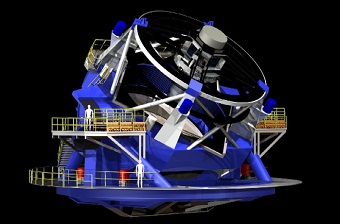
منبع خبر: نشریه نیچِر، جلد 466، شماره 7309، صفحه 903

Two extremely bright stars illuminate a greenish mist in this image from the Spitzer Space Telescope's "GLIMPSE360" survey. This mist is comprised of hydrogen and carbon compounds called polycyclic aromatic hydrocarbons (PAHs), which also are found here on Earth in sooty vehicle exhaust and on charred grills. In space, PAHs form in the dark clouds that give rise to stars. These molecules provide astronomers a way to visualize the peripheries of gas clouds and study their structures in great detail. They are not actually green; but are color coded in these images to allow scientists see their glow in infrared.
This image is a combination of data from Spitzer and the Two-Micron All-Sky Survey (2MASS). The Spitzer data was taken after Spitzer's liquid coolant ran dry in May 2009, marking the beginning of its "warm" mission.
Freshly discovered scars on the face of the Moon reveal that this rocky satellite is shrinking at a relatively rapid pace, say researchers based in Germany and the US. Images collected by NASA's Lunar Reconnaissance Orbiter show surface faulting that, they say, reflects significant contraction in the Moon's recent geological past.

The research team used the Lunar Reconnaissance Orbiter Camera (LROC), launched in 2009 aboard the Lunar Reconnaissance Orbiter, the first spacecraft to be launched as part of NASA’s "return to the Moon" initiative. It contains three different cameras designed to deal with both narrow and wide angle high-resolution photography. This high level of detail revealed 14 lunar landforms known as lobate scarps, similar to thrust faults on Earth that result from compressional forces such as plate tectonics.
Half of the located scarps are at high latitudes (±60°), proving that they are globally distributed and not clustered near the equator as previously thought. These factors indicate "recent contraction of the whole Moon, likely due to cooling of the lunar interior," says Thomas Watters of the Smithsonian Institution’s National Air and Space Museum, lead author of the paper. I think there is a general impression that the Moon is geologically dead Thomas Watters
Lobate scarps occur when the surface of the body experiences a compressional force, causing one part of the upper surface to fold and fracture above the other part. In the absence of significant tectonics on the Moon, the researchers believe this is due to cooling of the lunar core. As the core of the Moon cooled it also shrunk, applying surface stress to the brittle lunar crust and causing it to rupture and split.
"On relatively small planetary bodies, like Mercury, the Moon, and possibly some of the icy satellites, it's long been thought that the original cooling of the body very early in its history could cause a global contraction in the size of the body," explains Dr Peter Grindrod of the Department of Earth Sciences at University College London, who was not involved in this report. "This is a fairly easy concept, as it's just to do with the volume decreasing as the temperature decreases."
However, in the case of the Moon, this faulting appears to have been delayed. Through analysis of the scarps' interaction with other nearby surface features of known age, including craters, the researchers infer that the Moon has contracted radially by 100 m in the past 1 billion years. This is in keeping with the "crisp, un-degraded appearance" of the scarps, which Watters says is the strongest evidence of their young age.
Lobate scarps have been observed on the surface of the Moon before, from images taken by the panoramic cameras aboard the Apollo 15, 16 and 17 missions. However, these earlier missions were confined to the equatorial zone of the Moon's surface. Using the LROC the team has managed to acquire comprehensive images of the lunar surface at higher latitudes.
The Moon's surface is stressed and marked by many different geological features. Most large-scale crustal deformation is associated with surface features such as basins and maria – dark, basaltic plains formed by ancient volcanic eruptions. The lunar lobate scarps are generally found outside of these mare-filled basins, and they are the most common tectonic landform on the far side of the Moon. They are relatively small-scale structures with a maximum relief of less than 100 m, unlike those found on Mercury and Mars.
"I think there is a general impression that the Moon is geologically dead – that everything of geologic significance that happened to the Moon happened billions of years ago," says Watters. "Our results suggest this is not the case. The Moon may still be geologically and tectonically active and still contracting today."
The solar system is up two million years older than previously thought, according to a pair of researchers in the US. Their work, which is based on dating a meteorite found nestled in the Sahara desert, also provides clues about the birth of the solar system, lending weight to the theory that a nearby supernova explosion triggered its formation
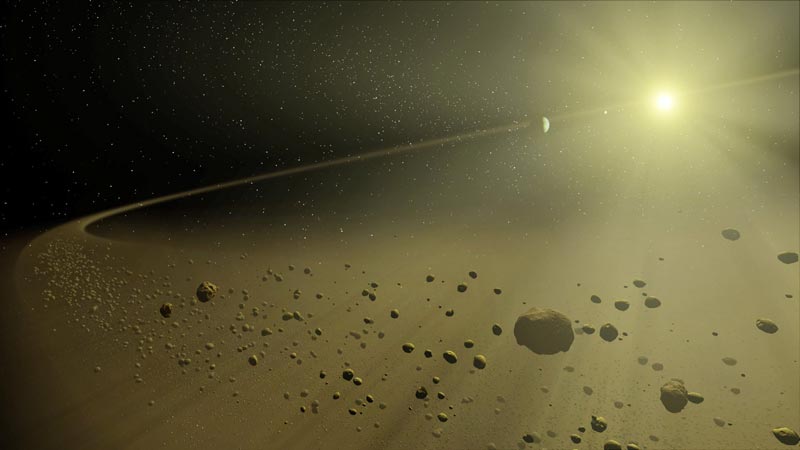
Most meteorites, other than the ones known to come from the Moon or Mars, are relics from the formation of the solar system. This latest example, labelled "Northwest Africa 2364", has a mass of 1.5 kg and was purchased by a private dealer from a local in Morocco in 2004. Part of it ended up in the hands of Audrey Bouvier at Arizona State University in the US who found it to be 4568.2 million years old – the oldest solar system object ever discovered, and 0.3–1.9 million years older than the previously accepted age of the solar system.
Bouvier, along with co-author Meenakshi Wadhwa, also at Arizona State, analysed several radioisotope chains associated with elements found in the sample. Using the decays of 238U–206Pb and 235U–207Pb, which have half-lives of ~4.47 Gyr and ~704 Myr respectively, the pair were able to pin down the age of the space rock. "Radiogenic decay is at a constant rate over the aeons, which can be measured by physically counting particles," explained Bouvier. This age was fine-tuned using the decay of 26Al–26Mg, which has a much shorter half life of ~0.73 Myr.
The discovery of Northwest Africa 2364 is also helping to firm up scientists' understanding of how our local neighbourhood formed. Conventional theory used to suggest that the Sun and its family of planets formed in near isolation, far away from other stars. However, in the last five years researchers have begun to suggest that this might not be the case due to high amounts of daughter isotopes from the decay of 60Fe found in previous meteorite samples. 60Fe can only be formed in the core-burning stage at the end of a star's life before it goes supernova. This means that if 60Fe was present in the early solar system it had to be seeded there by a nearby supernova and the Sun couldn't have formed in isolation after all. Bouvier and Wadhwa's result only enhances this possibility.
"This research pushes back the start of the solar system by around a million years, so if you work backwards using radioactive decay there must have been a higher concentration of 60Fe at the beginning than previously thought, by about a factor of 2," explained Jamie Gilmour, who researches solar system formation at the University of Manchester. "This makes it more necessary for a supernova to have seeded the solar system with it," he added.

This infrared image taken by NASA's Wide-field Infrared Survey Explorer, or WISE, shows a star-forming cloud teeming with gas, dust and massive newborn stars. WISE, which is surveying the whole sky in infrared light, is particularly sensitive to the warm dust that permeates star-forming clouds like this one. In this way, WISE complements visible-light observations.
The mission also complements Hubble and other telescopes by showing the 'big picture," providing context for more detailed observations. The cluster contains some of the most massive stars known. Winds and radiation from the stars are evaporating and dispersing the cloud material from which they formed, warming the cold dust and gas surrounding the central nebula. This greenish "halo" of warm cloud material is seen best by WISE due to its large field of view and improved sensitivity over past all-sky infrared surveys.