BaBar makes first direct measurement of time-reversal violation

The BaBar collaboration has made the first direct observation of time-reversal (T) violation. The results are in agreement with the basic tenets of quantum field theory and reveal differences in the rates at which the quantum states of the B0 meson transform into one another. The researchers say that this measured lack of symmetry is statistically significant and consistent with indirect observations. The BaBar detector at the PEP-II facility at SLAC in California was designed to study the collisions of electrons and positrons and to determine the differences between matter and antimatter. In particular, physicists working on the experiment are interested in the violation of the charge–parity symmetry (or CP violation). Although the detector was decommissioned in the spring of 2008, data collected during the period of operation continue to be analysed.

Symmetries of the universe

Our current understanding of the universe suggests that it is governed by certain fundamental symmetries. One of these symmetries looks at the relation between charge (C), parity or "handedness" (P), and time (T) – meaning that if you apply a CPT transformation to a system, it shows no difference from the original system. However, physicists are constantly searching for any possible signs of CPT-violation, which could indicate the presence of new physics. In the realm of the weak force, however, instances of the breaking of individual symmetries have been observed in cases of parity inversion or a combination of parity inversion and charge conjugation (CP). Therefore, it was expected that these systems would also show asymmetries when time was reversed. That is, transformation from one state to another would occur at different rates when the process is reversed in time, thus showing a T-violation.

"While CP violation in the B sector is well established by both BaBar and Belle, all CPT-violation tests have always been consistent with zero," says Patrick Koppenburg, a physicist from the Dutch National Institute for Subatomic Physics (Nikhef), and a member of the LHCb collaboration at CERN. "So, the observation of T violation is not a surprise, but it still needed to be tested." Indeed, physicists have waited for nearly 50 years to make this direct observation since the discovery of CP violations in 1964. The discovery also comes 14 years after another experiment – the CPLEAR experiment – claimed to have the first experimental proof of the violation in 1998 but this claim proved controversial.

Probing the arrow of time

Electron–positron collisions inside BaBar are tuned to just the right energy for producing Υ(4S) mesons, which are composed of a bottom quark and its antiquark. These Υ particles swiftly decay into B mesons, such as the neutral B0 mesons used in this study. In 10 years, BaBar detected almost half a billion pairs of B and anti-B mesons. Since these pairs are created from the same Υ, they inherit their quantum numbers from the parent Υ. This "entanglement" of the two simultaneously produced B0 mesons is crucial to observing T violations. "Since the global quantum numbers of the B0-antiB0 system are fixed by the Υ(4S) decay, the state of the first B0 meson to decay – whatever it may be – dictates the state of the other B0 meson at that time, which itself decays after some time into another state," explains Fernando Martinez-Vidal, who is at the Institute for Particle Physics at the University of Valencia and Spain's National Research Council (CSIC), and is one of the physicists who worked on this study. "By appropriately choosing the states into which the first and second B0 mesons decay, we can prepare the processes to be studied and compared."

Forwards and backwards

In the world of quantum physics, the individual mesons can be expressed as superpositions, in terms of linear combinations of both B0 and anti-B0 flavour states. The transformations studied are the change of a B0 meson from a "flavour" state to a "linear-combination" state, and the time-reversed change from a "linear-combination" state to a "flavour" state. To begin with, the BaBar physicists identified the flavour of the first meson in the pair to decay (B0 or anti-B0) and used this information to "tag" the flavour of the second meson. Taking the instant this decay occurred as the starting time, they measured the time it took the second meson to transform into a linear-combination state. They then performed the measurement in reverse: if the first meson transforms into a linear-combination state, this information can be used to determine the linear-combination state of the second meson and measure the time taken for it to decay into a "flavour" state. Thus, by exchanging the initial and final states of the transformation, the physicists could see if there were any differences in the rates of each of these transformations. Unsurprisingly, they found the difference they were looking for, with a significance of 14σ – in particle-physics experiments, a significance of 5σ and above is considered a definite discovery. While BaBar may have gone silent nearly half a decade ago, hopefully more new results will emerge from the collected data.
سومین کنفرانس فیزیک ذرات و میدانها

سومین کنفرانس «فیزیک ذرات و میدان‌ها»ی انجمن فیزیک ایران روزهای ۸ و ۹ بهمن‌ماه ۱۳۹۱ در پژوهشگاه دانش‌های بنیادی برگزار می‌شود. در این کنفرانس تنها اعضای انجمن فیزیک امکان ثبت نام و ارسال مقاله را دارند.

علاقه مندان برای کسب اطلاعات بیشتر و ثبت نام میتوانند به آدرس Particles مراجعه نمایند.

شمارش فوتون‌ها در پلاسمای کوارک-گلوئونی

مطالعه پلاسمای کوارک-گلوئونی (QGP) کار چندان ساده‌ای نیست. حتی تعیین میزان داغی این نوع پلاسما نیز با دشواری‌هایی همراه است. اما محصول فوتونی به دست آمده از مراحل ابتدایی شکل‌گیری پلاسمای کوارک-گلوئونی، «دماسنج» مناسبی به شمار می‌رود و در سال‌های اخیر نیز اندازه‌گیری‌های دقیقی به طور مشترک توسط آزمایشگاه ملی بروکهاون و شتاب‌دهنده هادرونی بزرگ (LHC) در این رابطه انجام گرفته است. با این حال درک نظری سازوکارهای فیزیکی که منجر به تولید این فوتون‌ها می‌شوند هنوز در پرده‌ای از ابهام قرار دارد.

به تازگی در مقاله‌ای که توسط گوکچه بشار و همکارانش از دانشگاه استونی بروک نیویورک در فیزیکال ریویو لترز (Physical Review Letters) چاپ شده است، سازوکاری برای تولید فوتون‌ها در پلاسمای کوارک-گلوئونی بر اساس یکی از ویژگی‌های شناخته شده کرومودینامیک کوانتومی (QCD) به نام «ناهنجاری همدیس» پیشنهاد شده است. نظریه QCD به عنوان یک سیستم کلاسیک از نوعی تقارن ویژه (ناوردایی همدیس) برخوردار است که این تقارن توسط اثرات کوانتومی در هم شکسته می‌شود. بشار و همکارانش نشان داده‌اند که در هم شکستن غیرعادی این تقارن در حضور میدان‌های مغناطیسی قوی نظیر میدان‌هایی که در پلاسمای کوارک-گلوئونی وجود دارند، می‌تواند منجر به سازوکارهای جدیدی برای تولید فوتون شود. آن‌ها همچنین نشان داده‌اند که تعداد فوتون‌های تولید شده در این سازوکار را می‌توان با استفاده از علائم تجربی شناخته شده تخمین زد. با ین حال تحلیل‌های مفصل بیشتری برای درک نقش سازوکار پیشنهادی در مورد پلاسمای کوارک-گلوئونی نیاز است و ما همچنان مشتاقانه در انتظار انتشار نتایج این تحلیل‌ها هستیم.

لینک منبع مقاله

لینک مقاله ذکر شده در فیزیکال ریویو لترز

کارگاه یک روزه دوره‌ی نتایج جدید CMS با تاکید بر نتایج هیگز

دراین کنفرانس که به تلاش پژوهشگاه دانشهای بنیادی برگزار میشود، نتایج جدید حاصل از تجزیه تحلیل داده های جدید آزمایش CMSبه ویژه نتایج مربوط به بوزون هیگز، مدل های ماورای مدل استاندارد، کوارک تاپ و الکتروضعیف مرور خواهد شد.

علاقه مندان برای کسب اطلاعات بیشتر و ثبت نام میتوانند به آدرس Higgs مراجعه نمایند.

همایش ملی گرانش و کیهان شناسی

انجمن فیزیک ایران با همکاری دانشگاه شهید بهشتی همایش ملی گرانش و کیهان‌شناسی ۱۳۹۱ را در روزهای ۱۱ و۱۲ بهمن‌ماه ۱۳۹۱ در دانشگاه شهید بهشتی برگزار می‌کند.

زمینه‌های مورد بحث
  • ماده و انرژی تاریک
  • تابش زمینه‌ای کیهان
  • تشکیل ساختار کیهانی و کهکشان‌ها
  • گرانش کلاسیک و کوانتومی
  • کیهان اولیه
  • سیارات فراخورشیدی


علاقه مندان برای کسب اطلاعات بیشتر و ثبت نام در همایش میتوانند به آدرس NGC 91 مراجعه نمایند.

New formula explains the dynamics of fractal growth over time

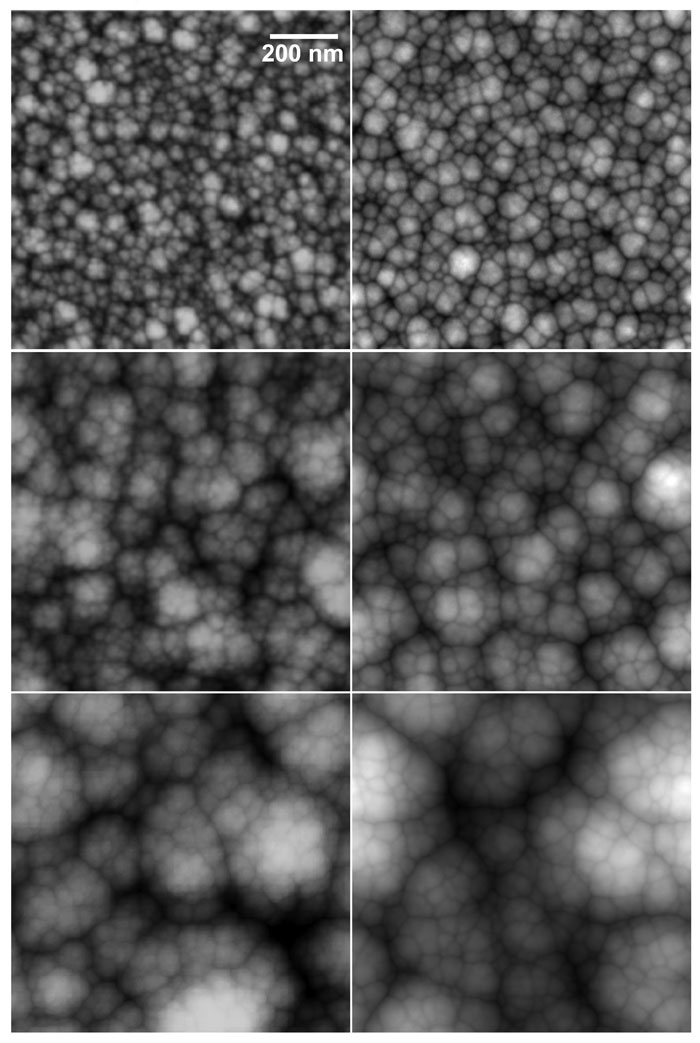
A team of researchers in Spain says that it has developed an equation that describes how intricate surface patterns, resembling a cauliflower-like motif, evolve and develop over time. The researchers also show that their theory can be applied to everything from actual cauliflower plants to combustion fronts, all of which obey the same scaling laws. The team says that it is the first time that a theoretical explanation has been provided for the growth of surfaces in systems that are extremely dissimilar, be it their physical nature or the scale at which they grow. The researchers based their study, published in New Journal of Physics, on two central tenets: fractals and universality. A fractal is an object or a quantity that is self-similar, or almost so, on all scales. The object need not exhibit exactly the same structure at all scales, but the same "type" of structures must appear on all scales. With a cauliflower, for example, it is impossible to tell if a close-up image of it is the entire head of the cauliflower or just a single floret. Simply put, a fractal is a system where any one part is similar to the whole.

Similar systems

Universality, on the other hand, refers to any physical systems that "look" extremely similar despite their specific details or the scale at which their effects are felt being very different. And fractals are a great example of universality – everything from a single fern leaf that resembles the entire plant, to clouds, snowflakes, blood vessels and cauliflowers has a similar fractal pattern. But despite the properties of fractals, such as their shapes and sizes, having been studied extensively since the 1970s, the physical mechanics of their formation have remained elusive.

Nanocauliflowers

The new work has been carried out by Mario Castro and colleagues from Comillas Pontifical University, Universidad Carlos III de Madrid, Instituto de Ciencia de Materiales-CSIC, Ecole Polytechnique and Katholieke Universiteit Leuven. Initially, the researchers did not start out looking at fractals, instead they were studying a widely used technique to grow thin films known as chemical vapour deposition (CVD), which allows the thickness and composition of layers to be accurately controlled. The team was looking at the evolution of various films grown in the lab and found that one of the films – an amorphous hydrogenated carbon film – had an extremely recognizable if peculiar pattern, namely that of a cauliflower.

Inside joke

The team initially thought that its cauliflower motif was just that – a random pattern that had caught the eye. "It used to be our private joke almost – we used to call them our nanocauliflowers," says Castro, who adds that although the films resemble cauliflowers, they are much smaller, being just several hundreds of nanometres. "But then we realized that our nanocauliflowers also had the same self-similar fractal features as those of the plant," he adds.  Through experiments on its CVD carbon films, the team studied the cauliflower-like fronts, and developed a statistical formula that explains how these fronts grow over time. It turns out that this equation can also be used to successfully predict the growth of an actual cauliflower plant or even a combustion front – or how a flame grows over time – both of which occur at larger and different scales but obey the same scaling laws. "This proves our theory over seven orders of magnitude in length scales," says Castro.

Ingredient's list

The key finding in this work, according to the team, is the identification of the four ingredients needed for the formation of this kind of random growth. The first is a system that grows in time. This is crucial to the second part, which is "non-locality" or competition – a growing system, such as a plant trying to grow taller to receive more sunlight or even part of a flame expanding in time and trying to reach oxygen to combust. The non-locality plays a part here, as what happens in one part of the system remotely affects other distant parts of the same system. The third ingredient is randomness, which, according to the team, nature provides in abundance. The final ingredient is self-similarity – a fractal pattern, where the parts are similar to the whole. "In spite of the widespread success of fractal geometry to describe natural and artificial fractal shapes, purely geometrical descriptions do not provide insight into the laws that govern the emergence of the shapes in time," Castro told physicsworld.com. "We believe that by knowing the general laws that dictate how these patterns form and grow, it will help to identify the biological and physical mechanisms that are at play." The team hopes its work will inspire other researchers to look into the real-world dynamics of fractals, instead of only their morphology.

روز فیزیک سال نود و یک

ویژه دانش‌آموزان سال‌های آخر دبیرستان و علاقه‌مندان به علم فیزیک

با همکاری دانشگاه‌های: تحصیلات تکمیلی در علوم پایه زنجان، تهران، صنعتی اصفهان، صنعتی شریف، علم و صنعت، فردوسی مشهد، موزه علوم و فناوری


برنامه هماهنگ همه دانشگاه‌ها:
  • سخنرانی کوتاه
  • مسابقه و طرح پرسش
  • بازدید از آزمایشگاه‌های پژوهشی و آموزشی پیشرفته
  • فیزیکسرا

حق شرکت: 20 هزار تومان
مهلت ثبت نام: 10 آذر 1391
پذیرش: ساعت 8 صبح روز 30 آذر
آغاز برنامه 9 صبح
پایان برنامه 17 عصر

علاقه مندان برای ثبت نام میتوانند به آدرس زیر مراجعه نمایند:   Physics Day

پنجمین کارگاه محاسبات سریع و تورین

پژوهشگاه دانشهای بنیادی با همکاری شاخه فیزیک محاسباتی انجمن فیزیک ایران کارگاه محاسبات سریع و تورین را در تاریخ ۲۴ تا ۳۰ بهمن‌ماه ۱۳۹۱ برگزار می‌نماید. در این کارگاه که پنجمین کارگاه در این زمینه است، با محاسبات سریع و محاسبات موازی و نیز محاسبات تورین آشنا خواهید شد. از آنجا که مباحث مطرح شده در این کارگاه بر پایه سیستم عامل لینوکس است لذا شرکت کنندگان باید آشنا به محیط لینوکس باشند و با برنامه نویسی به اندازه کافی آشنا باشند. شرکت کنندگان در این کارگاه صبح ها با مباحث نظری آشنا شده و بعد از ظهرها در کارگاه عملی شرکت خواهند کرد.


علاقه مندان برای ثبت نام و کسب اطلاعات بیشتر میتوانند به آدرس زیر مراجعه نمایید:   

  HPC5

باکتری‌ها الکترون‌ها را در فواصل سانتی‌متری هدایت می‌کنند.

به تازگی گونه‌ای باکتری در اعماق دریا کشف شده است که الکترون‌ها را در طی فواصل سانتی‌متری هدایت می‌کند تا بتواند در محیطی با اکسیژن کم، با استفاده از سولفید هیدروژن تغذیه کند. این ادعای دانشمندانی در دانمارک و آمریکاست. آن‌ها نشان داده اند که هزاران میکرو ارگانیسم از یک رشته که یک سر آن‌ها به رسوبات اقیانوس و سر دیگرشان به آب شور می‌رسد، این کار را انجام می‌دهند. فهم این موضوع که این موجود زنده چگونه الکترون‌ها را انتقال می‌دهد، می‌تواند منجر به تکنولوژی جایگزینی برای تولید انرژی شود.


زیست شناسان می‌دانستند که خانواده دی‌سولفو‌بولباکی از باکتری‌ها با مصرف ترکیبات سولفور در اقیانوس خود را تقویت می‌کنند. این موجب تولید سولفید هیدروژن می‌شود که در غلظت‌های بالا سمی است. زمانی‌که این باکتری سولفید هیدروژن مصرف می‌کند باید در حضور اکسیژن باشد که طی این واکنش انتقال الکترون صورت گیرد. رسوبات اقیانوس معمولاً سطح اکسیژن خیلی پایینی دارند و مطالعات نشان داده است زمانی که دی‌سولفو‌بولباکی وجود دارد، سطح سولفید به طور یکنواخت و پیوسته افزایش می‌یابد. اما سپس اتفاق پیش‌بینی نشده‌ای می‌افتد. سطح سولفید به سرعت افت پیدا می‌کند انگار که رسوبات یک هجوم ناگهانی از اکسیژن را تجربه کرده‌اند. مسئله اینجاست که این افت به قدری سریع است که با نظريه‌ی پخش مولکول‌های هیدروژن قابل توجیه نیست. در عوض دانشمندان اندیشیده‌اند که نمونه‌های متفاوت بسیاری از این نوع باکتری در رسوبات  وجود دارند و به طریقی الکترون‌ها را از نواحی با اکسیژن پایین به سمت آب شور که میزان اکسیژن موجود در آن زیاد است انتقال می‌دهند.

باکتری‌های منفرد

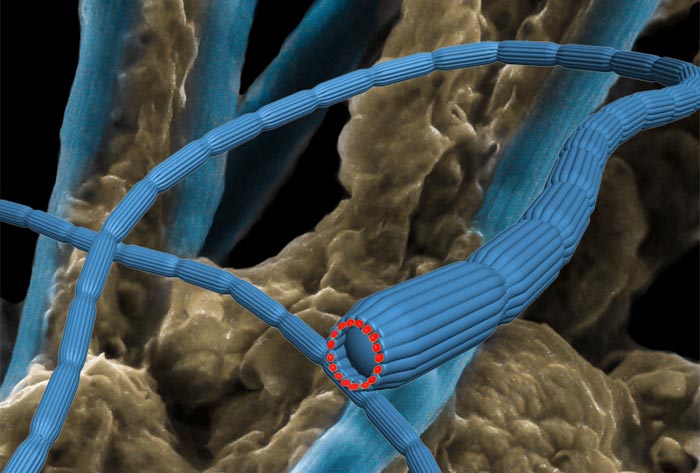
اکنون تیمی از فیزیک‌دانان دانشگاه کالیفرنیای جنوبی و دانشگاه آرهیوز از جمله محمد الناگر نگاه دقیق‌تری به باکتری‌های موجود در رسوبات داشته‌اند و کشف شگفت‌انگیزی کرده‌اند مبنی بر اینکه انتقال الکترون تنها به وسیله یک گونه از این باکتری‌ها انجام می‌شود. این باکتری‌ها، رشته‌هایی با ابعاد سانتی‌متر به وجود می‌آورند که از هزاران میکرو ارگانیسم به هم پیوسته تشکیل‌ شده‌اند. بعلاوه آزمایش‌هایی روی این رشته‌های کوچک نشان داده است که انتقال الکترون در طول ساختارهایی ریسمان‌‌مانند درون باکتری صورت می‌گیرد. خواص الکتریکی  این رشته‌ها اولین بار با انجام اندازه‌گیری‌های تخلیه منبع مورد مطالعه قرار گرفت. باکتری رشته‌ای روی یک سطح عایق از جنس اکسید سیلیکون حاوی الکترود طلا رسوب داده شده بود. آن‌ها روی رشته‌هایی متمرکز شدند که دو الکترود را به یکدیگر متصل می‌ساختند. به این رشته‌ها ولتاژی اعمال می‌شد و سپس جریان الکترون اندازه گیری می‌شد. اما زمانی که ولتاژ به مقدار 10 ولت افزایش داده شد، هیچ جریان قابل اندازه‌گیری مشاهده نشد. این منجر شد تا گروه به این نتیجه برسد که باکتری‌ها مانند سیم هادی بدون روکش عمل نمی‌کنند بلکه فرآیند رسانش درون ورقه‌ای عایق مانند کابل الکتریکی صورت می‌گیرد.

ظرفیت بسیار بالا

برای فهمیدن این موضوع که کدامیک از بخش‌های درونی باکتری در انتقال الکترون مشارکت دارند، الناگر و همکارانش از میکروسکوپ نیروی الکترواستاتیک استفاده کردند. روش کار به این صورت است که یک الکترود بسیار کوچک در مجاورت سطح یک باکتری قرار داده می‌شود. این وسیله میزان تغییرات ظرفیت را با نوسان الکترود به سمت بالا و پایین اندازه گیری می‌کند. با پویش نوک میکروسکوپ روی سطح، دریافته شد که ساختارهای ریسمان‌مانندی که دقیقاً زیر غشای بیرونی باکتری هستند، ظرفیت بسیار بالایی یرای ذخیره ‌سازی بار الکتریکی دارند و هدف مطالعات آینده نیز هستند. فرآیندی که طی آن رسانش اتفاق می‌افتد هنوز به صورت یک راز است. گروهی معتقدند این رسانش مشابه رسانش نواری در فلزات و نیمه‌رسانا‌هاست. اما الناگر معتقد است تحرک الکترونی مشاهده شده بسیار کمتر از آن است که با این نظریه توضیح داده شود. در عوض او بر این باور است که  الکترون‌ها از مدل پرشی تبعیت می‌کنند که طی آن در باکتری از مکانی به مکان دیگر پرش می‌کنند. او می‌گوید با کشف چگونگی انجام این فرآیند دری برای استفاده از تکنولوژی‌های جدیدی نظیر انرژی‌های تجدید پذیر گشوده می‌شود. این مطالعات در مجله Nature به چاپ رسیده است.

The hue of alien Earths

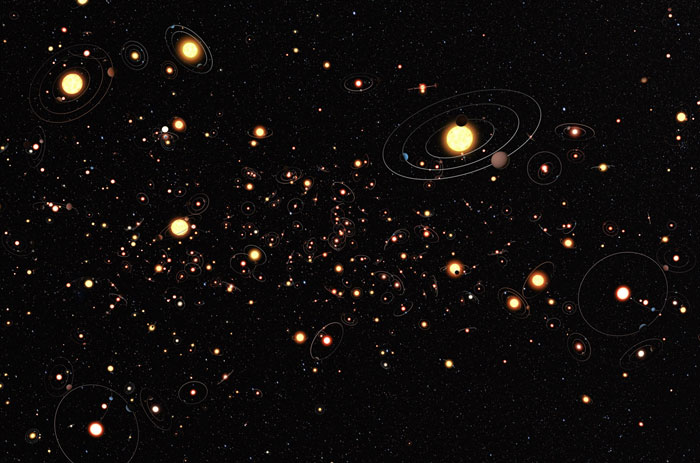
An international team of researchers claims that the link between the colour of a planet and its surface features can be used to prioritize which newly found exoplanets, especially rocky planets with clear atmospheres, should be studied in-depth for signs of life. The work provides an important link between Earth-based geomicrobiology and observational astronomy. A huge number of exoplanets have been discovered in recent times – just over 800 confirmed examples are known today, with more than 2000 candidates waiting to be confirmed. Of the candidate exoplanets, it is difficult to decide which ones are the most likely to harbour life.

Home sweet home?

"What is now observed is that smaller Neptune-sized planets are, in fact, far more abundant than larger Jupiter-sized ones. This is exciting and one feels that it is only a matter of time before the same can be said for Earth-sized planets around other stars. The question then naturally arises as to how one could characterize these rocky planets to check for their potentially habitability," explains Siddharth Hegde of the Max Planck Institute for Astronomy in Germany. He and colleague Lisa Kaltenegger from the Harvard-Smithsonian Center for Astrophysics in Cambridge, Massachusetts, in the US have explored how filter photometry can be used to pinpoint Earth-like exoplanets and study their atmospheric bio-signatures – whether they have aerobic or anaerobic atmospheres. Looking at the diversity of life on Earth, even under extreme conditions, the researchers wonder whether planets around other stars with extreme surroundings could also harbour some form of life.

In astronomy, photometry is a way of measuring the flux of the electromagnetic radiation of an astronomical object. "Filter photometry basically means that you split the collected light [from a celestial object] only into a few wavelength bins that are defined here by the commonly used filters in the visible called 'B, V, I Johnson–Cousins filters' [or blue, green and red colour bins]," explains Hegde. The advantage of this approach is that lots of photons are gathered per bin, meaning a good signal-to-noise ratio is achieved – which, in turn, means that it may be possible to characterize dimmer planets. The researchers use this method to identify planets that have surfaces similar to those on Earth that harbour life. This is done by plotting the blue–green versus blue–red bins using customized filters, creating what is known as a "colour–colour diagram". While the technique does not provide the finer details of a planet, it can very easily be used to put together a follow-up prioritized "target list" of planets that should be studied in detail with spectroscopy.

True colours

A way of looking for these extreme environments is to study the "albedo" of a planet – its reflectivity as a function of wavelength. For example, snow has a high albedo, meaning that it reflects well, while water has a low albedo and so does not reflect as well. A previous study, conducted in 2003, compared the colour–colour diagrams of rocky and Jupiter-like planets in our solar system to see whether they were the same – they were not. That study concluded that a colour–colour diagram can be used to make a first-order basic characterization of a planet's nature. Hegde and Kaltenegger extended this idea to rocky exoplanets based on the assumption that these habitats best determine the environmental limits for harbouring Earth-type extremophiles.

Going to extremes

An extremophile is an organism that exists in physically or geochemically extreme conditions – such as extreme temperature, radiation, pressure, dryness, salinity or pH – that are detrimental to most other life-forms on Earth. "By splitting the light from a hypothetical planet, with a surface covered with a material that can harbour extremophiles on Earth, into the three filter bins, we found that those planets fall into a tight band when plotting a colour–colour diagram," says Hegde.

The method is similar to another already used by exoplanet hunters who look for the "red-edge" – a telltale sign of vegetation – in the spectra of planets. This is a large and abrupt change in the absorption of light by plants that occurs at about 700 nm. At shorter wavelengths, chlorophyll absorbs very strongly and therefore plants reflect little light; above 700 nm, chlorophyll does not absorb light, which means that leaves are able to reflect much more sunlight back into space. Combining such spectral readings with colour–colour diagrams could clearly indicate if a planet has any Earth-like life, or is capable of harbouring it.

In the future, the researchers are keen to study possible changes in a planet's atmosphere caused by different kinds of extremophiles that might inhabit its surface – for the moment, their model assumes the extremophiles do not affect the atmosphere significantly. "Maybe, with the help of biologists who culture such extremophiles in the lab, we can find out if there are gases in the atmosphere that can tell us whether such surfaces really harbour life," muses Hegde.


لینک منبع مقاله 

Star seen whizzing around supermassive black hole

Astronomers using the Keck telescope have found a new star orbiting very near to the supermassive black hole believed to be at the centre of the Milky Way. This is only the second star that researchers have observed completing an entire orbit – and its discovery confirms the black hole's presence beyond reasonable doubt. Future observations of both orbiting stars could provide a unique test of general relativity.

The Keck telescope atop Mauna Kea in Hawaii has been used since the mid-1990s to systematically probe the area surrounding the centre of the Milky Way. In doing so, astronomers revealed several stars that appear to be orbiting a central object dubbed Sgr A* ("Sagittarius A Star"). From measurements of the stars' orbital characteristics, it was calculated that Sgr A* must weigh in at around four million times the mass of the Sun. The only known astrophysical object that could be so massive, yet exist in such a small space, is a black hole.

However, only the orbit of one star – S0-2 – had data covering its entire 16.5 year journey around the centre. Data on the rest of the stars cover less than 40% of their orbits – the remainder has been projected using modelling. In order to characterize an orbit, astronomers believe that 50% of a star's orbit needs to be observed. With only S0-2 breaking this threshold, some sceptics questioned whether a central black hole existed at all.

Better adaptive optics

Now, astronomers, including Andrea Ghez at the University of California, Los Angeles, have revealed the discovery of a new star named S0-102. "The orbital period of this star is just 11.5 years – the shortest of any star known to orbit the black hole," Ghez told physicsworld.com. "Improvements in adaptive optics have allowed us to find fainter stars and measure them more acurately," she says. With adaptive optics, the telescope's mirror is not a single surface, rather a tiled surface made up of smaller mirrors. A laser guide is fired into the sky above the telescope and the distortion of the laser due to atmospheric turbulence is measured. The shape of the mirror can then be adapted by moving individual tiles in order to compensate for the distortion.

This technique will also allow the future observation of S0-102 at apoapsis – its furthest distance from the black hole. "This will reduce our uncertainties in parameters like the black hole's mass," says Ghez. Having a second star to observe will also allow astronomers to improve their understanding of S0-2's orbit. In particular, it will help provide a more precise measurement of S0-2's periapsis – its closest approach to the black hole – in 2018. During periapsis, the star experiences a stronger gravitational force, causing an additional redshift in its light. The precise amount of redshift is predicted by Einstein's general theory of relativity. The experiment can be repeated when S0-102 reaches its own periapsis in 2021.

General relativity also predicts the precession of a star's periapsis. "The fact that space is warped by the gravity of the black hole means that orbits overshoot each time. The point of periapsis moves on in the direction that the star is already orbiting," explains Ghez. This is similar to the precession of Mercury's orbit within our own solar system – a puzzle that, when explained by Einstein in 1915, provided an early endorsement of his ideas.

Unknown parameter

However, this particular test of relativity is not possible with a single star. "The situation isn't as simple as two stars orbiting a single black hole," says Ghez. "There are likely to be other things orbiting in there too, such as stellar-mass black holes and neutron stars," she adds. This means that the orbiting stars do not see a symmetrical distribution of mass as they pass through this crowded region. If general relativity is to be tested, it has to be treated as an unknown parameter. If the mass distribution is also unknown, you need two stars to solve the equations. "With future advances in adaptive optics, and the next generation of telescopes, we will now be able to see whether Einstein's relativity stands up in this extreme gravitational environment," Ghez hopes.

"It is pretty spectacular that they've observed the whole orbit of a second star," Nils Andersson, head of the General Relativity Group, at the University of Southampton, UK, says. "It shows there has to be a black hole in the centre, and it helps pinpoint how massive it is," he adds. However, he believes there are stronger tests of general relativity. "I think the best test beyond the solar system is still two pulsars orbiting around each other. That sort of system puts more constraints on Einstein's theory," he explains.

لينك منبع مقاله

...

نظرات "شازده" بعلت عدم رعايت قوانين وبلاگ و با توجه به اينكه محتوي آن خلاف عفت بود؛ كه صرفا بيانگر سطح فرهنگ خانوادگي و درك نويسنده آن و گوياي نوع نگرش ايشان بود حذف شده است.

تنظيم نقطه‌های کوانتومی برای تولید درهم‌تافته‌گی

پژوهش‌گران برای برطرف کردن نقص‌هایی که معمولا ساختارهای نانوی نیمه‌رسانا را از گسیل کردن فوتون‌های درهم‌تافته بازمی‌دارند، تركيبي از میدان الکتریکی و تنش مکانیکی را بر سامانه‌اي از نقطه‌های کوانتومی، اعمال كرده‌‌اند. درهم‌تافته‌گی مکانیک کوانتومی را از مکانیک کلاسیک متمايز مي‌كند و از همين رو، عنصر اصلي در بیش‌تر کاربردهای دانش اطلاعات  کوانتومی‌ست. پیش از این، درهم‌تافته‌گی زمینه‌‌ساز آزمایش‌های بنیادی بسیاری بر مکانیک کوانتومی بوده، اسباب ارتباطاتی امنی به‌دست‌داده، انجام یک سری محاسبات را با استفاده‌ از الگوریتم‌هایی که هیچ کامپیوتر کلاسیکی قادر به اجرایشان‌ نبود، ممکن ساخته، و پیش‌رفت‌هایی در تصویر‌برداری و حس‌گرهای نوری به ‌وجود آورده‌است.

Figure 1

در گام‌ بعدی، دانش‌‌مندان به منابع قابل‌اعتماد تولید انبوه فوتون‌های درهم‌تافته نیاز دارند. یک پیش‌نهاد، به‌کاربستن نقطه‌های کوانتومی‌ست؛ اما مشکل این اتم‌های دست‌ساز، نقص‌های ساختاری‌شان است که با از بین‌بردن جفت‌شد‌ه‌گی انرژی‌های فوتون‌های گسیل شده، درهم‌تافته‌گی را خراب می‌کنند. در پژوهش‌های تازه‌ای که در Physical Review Letter چاپ شده‌اند،برای غلبه بر این دشواری پیش‌نهاد شده‌است که از طريق اعمال میدان الکتریکی و تنش مکانیکی بر ساختار الکترونی نقطه‌ها اثر گذاشته و امکان درهم‌تافته‌گی احيا شود.

یک جفت فوتون درهم‌تافته، را می‌توان به‌صورت فیزیکی از هم جدا کرد، اما مشخصه‌های کوانتومی آن‌ها هم‌چنان در یک‌دیگر قفل‌‌شده باقي می‌مانند. مثلا هر اندازه‌گیری بر قطبش یکی از فوتون‌ها، خودبه‌خود قطبش دیگری را تعیین می‌کند. امروزه، در بیش‌تر آزمایش‌ها، فوتون‌های درهم‌تافته‌ی لازم را با یک فرآیند ضعیف تغییر خودبه‌خودی فرکانس در یک بلور غیرخطی تولید‌ می‌کنند؛ در این فرآیند، فوتون مادر به دو فوتون دختر درهم‌تافته‌ تبدیل می‌شود که طول‌موج‌ هرکدام بلندتر از طول‌موج مادراست. برای این کار به یک لیزر پمپی با شدت بالا، و  در خروجی به غربال شدید طیفی و فضایی، نیاز است. اگر این فرآیند با قدرت پایینی انجام شود، در بیش‌تر نوبت‌ها فوتون‌های تولید‌شده درهم‌تافته نبوده و اگر قدرت پمپ بسیار بالا باشد، جفت‌فوتون‌های بسیار زیادی گسیل می‌شوند. بنیادی‌ترین مشکل در راه گسترش فن‌آوری‌های داده‌‌های کوانتومی‌ ِ برپایه‌ی فوتون‌های جفت‌شده، آمار این فرآیند‌ است؛ و نکته آن‌جاست که تنها با گسترش این فن‌آوری‌ها می‌توان به رقابت با نمونه‌های مشابه کلاسیکی‌ برخواست.

اما تمام منابع درهم‌تافته‌گی با آمار مشابهی دست‌ به گریبان نیستند. با فرآیند فروریزی اتمی که در آن اتم در هر واپاشی دو فوتون تولید می‌کند، می‌توان در هر آن، تقریبا تنها و تنها یک جفت ِ‌ درهم‌تافته‌‌ درست‌کرد. برای آن‌که در این فرآیند فوتون‌های گسیل شده از نظر تمام درجات آزادی‌شان، معمولا قطبش، تفکیک‌ناپذیر بمانند، تقارن‌های اتمی بسیار مهم خواهند بود. در سال ۲۰۰۰، الیور بیسون و هم‌کاران، به فرآیند مشابهی که می‌توانست در نقطه‌ی کوانتومی نیمه‌رسانا رخ دهد، اشاره کردند. به دلایل فراوانی، برای تولید تک‌جفت‌های درهم‌تافته‌، منبع نیمه‌رسانا را  به اتم‌های گیرافتاده ترجیح می‌دهیم. به علاوه یک ریزتراشه‌ی دماپایین می‌تواند دربردارنده‌ی دسته‌ای از منابع که هرکدام، در هر آن، تنها یک جفت فوتون درهم‌تافته تولید می‌کنند، باشد؛ و در نتیجه می‌تواند جای‌گزین مناسبی برای ساختارهای حجیمی که ممکن است در شرایطی دیگر در روش اتم گیرافتاده استفاده شوند، باشد. متاسفانه رویای منابع نیمه‌رسانا برای تولید هم‌تافته‌گی به سرعت با مشکل روبه‌رو شد: به علت کم‌بود تقارن‌های اتم‌مانند در نقطه‌های کوانتومی واقعی، اولین تلاش‌های تولید جفت فوتون‌های درهم‌تافته در این فن‌آوری ناکام ماندند.

به خاطر روش تولید فوتون‌ها، تقارن اهمیت بالایی می‌یابد. این فرآیند با تولید اکسیتون‌ها که حالات مقید کوتاه‌مدت الکترون رسانش و حفره‌ی والانس می‌باشند، شروع می‌شود. ممکن است این حالت‌ها به صورت نوری یا الکتریکی پمپاژ شوند. ممکن است حالتی که در آن یک جفت اکسیتون نقطه را اشغال می‌کنند، به صورت طیفی انتخاب گردد. از آن‌جا که این دو اکسیتون نقطه‌ی محدود شده‌ی یک‌سانی را اشغال می‌کنند، حالت‌های پایه‌شان تابع‌موج فضایی مشابه و با توجه به اصل طرد پاولی، اسپین‌های مخالف خواهند داشت؛ و زمانی‌‌که الکترون‌ها و حفره‌‌های دو اکسیتون با هم ترکیب می‌شوند، قطبش دو فوتون گسیل شده که با اسپین اکسیتون‌ها هم‌بسته‌اند، مخالف هم خواهند بود. اگر این دو فوتون از نظر طول‌موج هم تفکیک‌ناپذیر باشند، آ‌ن‌گاه درهم‌تافته‌ی‌قطبشی‌‌اند. به‌هرروی، نقص‌های نقطه‌های کوانتومی می‌توانند انرژی هرکدام از این حالت‌های اکسیتونی را تغییر داده و منجر به هم‌بسته‌گی نامطلوبی میان قطبش هر فوتون و طول‌موج گسیل‌اش شود و این اثر بدی روی درهم‌تافته‌گی دارد. نمودار انرژی یک نقطه‌ی نقص‌دار، می‌تواند به علت جفت‌شده‌گی‌های اکسیتون‌ها پیچیده باشد.

برای به‌بود بخشیدن به درهم‌تافته‌گی باید انرژی هر دو حالت اسپینی اکسیتون جفت شوند. نقص‌هایی که تبه‌گنی اسپینی در نقطه‌های کوانتومی InGaAs را برهم می‌زنند، به صورت تصادفی و به‌خاطر تنش‌ها ایجاد می‌شوند و به سختی می‌توان از دست آن‌ها رها شد. پژوهش‌گران در گذشته با روش‌های اصلاح پس از رشد، مانند افزودن تنش، میدان‌های مغناطیسی dc، میدان‌های الکتریکي dc، و میدان‌های نوری، به تولید اسپین‌های تبه‌گن و در نتیجه درهم‌تافته‌گی پرداخته‌اند. باوجود این تصحیح‌ها آینده‌ی رویای تولید آرایه‌های بزرگ من‍ابع نقطه‌ای کوانتومی، مبهم است؛ چراکه این روش‌های اصلاح تنها برای نقطه‌های اندکی کار می‌کنند، مثلا آن‌هایی که نقص‌شان با عامل استفاده شده، جور در می‌آید.

بنابر گزارش رینالدو تروتا و هم‌کاران از موسسه‌ی تحقیقاتی مواد و حالت جامد لایبنیتز در آلمان، این گروه به این پیش‌رفت که به جای یک، از دو عامل استفاده‌کنند، دست یافته‌اند. با این ترکیب می‌توان تبه‌گنی اسپینی اکسیتون را  تقریبا در هر نوع نقطه اصلاح کرد؛ در این طراحی جدید، اولین عامل یک میدان الکتریکی dc در راستای رشد نقطه (که در شکل با صفحه‌های فلز و باتری نمایش داده‌ شده‌است) می‌باشد. این گروه پژوهشی با رشد دادن نقطه در ساختاری دیود مانند به این میدان می‌رسد. دومین عامل، تنشی مکانیکی‌ست که در جهت عمود بر میدان dc (در شکل با یک گیره نشان داده شده‌است) وارد می‌شود. این تنش با محرک‌های فیزوالکتریکی که در ارتباط مکانیکی با این دست‌گاه‌اند، پخش می‌شود. بنا بر توضیح نویسنده‌گان، اساس کار این دست‌گاه این است که عامل اولی جهت اختلال ِ مخرب ِ درهم‌تافته‌گی را تعیین کرده و دیگری دامنه‌‌اش را تنظیم می‌کند. این گروه برای اثبات این حرف میدان الکتریکی و تنش را تغییر داده و انرژی و قطبش فوتون‌های گسیل‌شده از چند نوع نقطه‌‌ی کوانتومی را اندازه‌گیری کردند. سپس این مشاهدات را با یک مدل ساده اما رایج بررسی کردند. هرچند با این آزمایش‌ها واقعا به درهم‌تافته‌گی نرسیدند، نتیجه‌ها نشان می‌دهند که  تبه‌گنی لازم برای خلق جفت فوتون‌های درهم‌تافته به‌دست آمده‌است. کارهای پیشین شکی بر جای نمی‌گذارند که این دست‌گاه ِ دوعامله می‌تواند درهم‌تافته‌گی تولید کند.

به هر روی ساختن جفت‌های درهم‌تنیده‌ با به‌کار بستن ِ نقطه‌های کوانتومی نیمه‌رسانا هم‌چنان تلاش فراوانی می‌خواهد. برای داشتن یک منبع موثر باید فوتون‌های گسیل‌شده تنها در یک جهت دل‌خواه باشند؛ این مشکلی‌ست که با افزودن خلاهای میکرونی حل خواهد شد. هم‌چنان باید به بسیاری مشکلات مهندسی پرداخت؛ مانند مدیریت جای‌گزینی نقطه‌های کوانتومی با بازده بالا ، انتخاب روش پمپاژ الکتریکی، و یافتن سازوکاری برای جبران ناهم‌گنی بالای فوتون‌ها در دست‌گاه‌های مختلف. برای پیروزی بر این دشواری‌ها هم‌چنان باید به‌ پژوهش پرداخت. اما به سبب بهینه‌گی منابع فوتون‌های درهم‌تنیده، این تلاش‌ها بی‌فایده نخواهند بود؛ چراکه به واقعیت پیوستن فن‌آوری‌های ِ برپایه‌ی ِ درهم‌تافته‌گی با کاربردهایی در اندازه‌گیری و داده‌های کوانتومی، خود انقلاب بزرگی‌ست.

لينك مقاله

نیروی کازیمیری برای حیات!

شاید اثر کازیمیر را تنها یک اثر کوانتومی بدانیم که در آن افت‌‌و‌خیزهای کوانتومی می‌تواند منجر به نیروی جاذبه بین دو آینه موازی شود. اما اثر کازیمیر یک معادل ترمودینامیکی دارد که به خاطر افت‌‌و‌خیزهای مواد سازنده یک سیال در نزدیکی نقطه بحرانی است. پژوهشی جدید از فیزیکدانان آمریکایی نشان میدهد که این نیروهای «کازیمیر بحرانی» بر پروتئین‌های درون غشاهای سلولی وارد و باعث می‌شود تا پروتئین‌ها با یکدیگر تعامل کرده و به محرک‌هایی همچون گرده‌ها پاسخ دهند.

همه سلول‌ها از غشایی پوشیده شده‌اند که حرکت مواد به درون و بیرون ارگانیسم را مدیریت می‌کند. غشاها از مولکول‌هایی ساخته شده‌اند که لیپید نامیده می‌شوند و در واقع پروتئین‌ها در لیپیدها جای گرفته‌اند. در ابتدا تصور می‌شد که لیپیدها کاملا یکنواخت هستند اما با انجام آزمایش‌هایی در دهه 1970 و 1980 مشخص شد که لیپیدها به شکل خوشه‌ای جمع می‌شوند و ساختارهایی ده‌(صد)ها برابر بزرگتر از اندازه خود می‌سازند. با این حال دانشمندان متوجه نشدند که انرژی لازم برای نگهداری چنین ساختاری از کجا می‌آید.

در سال 2008، فیزیکدان سارا ویچ در دانشگاه کرنل نیویورک و همکارانش جوابی برای این سوال یافتند. پیشتر می‌دانستیم که غشاهای جداشده از سلول‌های پستانداران در دمای بیش از 25 درجه سانتی‌گراد در حالت مایع قرار دارند اما در زیر این دما، به دو حالت مجزا جدا می‌شوند که شامل انواع گوناگونی از لیپیدها و پروتئین‌هاست(اندکی شبیه مخلوط آب و روغن). کشف گروه ویچ این بود که وقتی دما تا نزدیکی دمای بحرانی(دمایی که فازها جدا می‌شوند) پایین آورده می‌شود، افت‌وخیزهایی از فاز دوم مشاهده می‌گردد. این افت‌وخیزها  چند میکرون اندازه‌گیری شدند و در میکروسکوپ اپتیکی قابل مشاهده بودند و شکل‌گیری آن‌ها نیاز به انرژی چندانی ندارد.

نگاه انتقادی به رفتار بحرانی

اکنون ویچ به دانشگاه میشیگان رفته اما در پژوهش اخیر خود با گروه بنجامین ماچتا و جیمز ستنا از دانشگاه کرنل همکاری کرده تا هدف این رفتار بحرانی را دریابد. پژوهشگران فرض کردند که انواع خاصی از پروتئین‌ها به یکی از فازها جذب می‌شوند و بقیه پروتئین‌ها به فاز دیگر تمایل دارند بنابراین پروتئین‌های مشابه به سمت هم کشیده می‌شوند اما پروتئین‌های نامشابه از هم دور می‌گردند.

همانطور که ویچ می‌گوید این برهمکنش‌های پروتئینی «آبشار»هایی درست می‌کند که اطلاعات مربوط به مواد سازنده پروتئین غشا و درون سلول را انتقال می‌دهد. از این اطلاعات می‌توان برای پاسخ به پرسش‌هایی همانند «آیا زمان خوبی برای تقسیم است؟» یا «آیا حرکت به سمت غذا امن است؟»، استفاده کرد. او می‌گوید:«فکر می‌کنیم یک دلیل این که غشاهای سلولی افت‌وخیزهای بحرانی دارند این است که بعضی از مراحل اولیه را تشهیل کنند.»

برای محاسبه شدت و شکل نیروی کازیمیر بین پروتئین‌ها، ماچتا از ریاضیاتی استفاده کرد که اصولا برای نظریه ریسمان ساخته شده است. همان‌طور که انتظار داشت متوجه شد که نیرو برای پروتئین‌های همانند جاذبه و برای پروتئین‌های مختلف دافعه است. همین امر در فواصلی از مرتبه چند ده نانومتر منجر به انرژی پتانسیلی منجر می‌شود که چند برابر انرژی گرمایی پروتئین است. به خاطر اثر پوششی یون‌های درون سلول، نیروهای بسیار قوی الکترواستاتیک به حدود یک نانومتر محدود هستند. ماچتا می‌گوید:«ما دریافته‌ایم در نزدیکی نقطه بحرانی، سلول‌ها نیرویی بلندبرد بین پروتین‌ها وارد می‌کنند.» ستنا می‌افزاید:«واقعا شگفت‌انگیز است که چند برهمکنش در سلول، انرژی هم‌اندازه افت‌وخیزهای گرمایی دارند؟ ما فکر می‌کنیم که سلول صرفه‌جو باشد!»

کاربردهای پزشکی

پژوهشگران شک دارند که وجود این نیروهای کازیمیر بحرانی توضیح دهد چرا سلول‌هایی با کلسترول کم آن‌طور که باید عمل نمی‌کنند. آن‌ها حدس می‌زنند که حذف کلسترول، غشا را از نقطه بحرانی خود دور می‌کند. آن‌ها گمان می‌کنند که همین نیروها در فرایند عطسه نقش دارند. ستنا توضیح می‌دهد وقتی پروتئین‌های گیرنده در سلول‌های ایمنی متوجه ماده محرکی همچون گرده می‌شوند، کنار هم جمع شده و با تحریک هیستامین‌ها باعث عطسه می‌گردند. وی می‌گوید شاید محرک انتخاب پروتئین‌های گیرنده را برای یکی از فازهای مایع تغییر دهد و آن‌ها را به سمت هم بکشد.

این گروه امیدوار است که کارش به کاربردهای پزشکی منجر شود. ویچ توضیح می‌دهد که تصور می‌شود نقص در لیپیدها منجر به بیماریهای زیادی مانند سرطان، بیماری‌های خودایمنی(خودشکنی) و التهاب می‌شود. او می‌افزاید:«این کار روشن می‌کند که لیپیدها چگونه بر این بیماری‌ها اثر می‌گذارند. در آینده، می‌توانم داروهایی را تصور کنم که به طور خاص لیپیدها را هدف قرار می‌دهند تا برهمکنش بین پروتئین‌ها را منظم و بیماری‌های انسانی را درمان کنند.» ساتنا می‌افزاید که مقیاس زمانی برای دستیابی به این داروها احتمالا طولانی است: «کار ما بیشتر شبیه این است که بخواهیم بتن بهتری برای ساخت پیِ آسمانخراش کاربردهای پزشکی درست کنیم.»

تطابق نظریه با مشاهده

علاوه بر کاربردهای آینده این طرح، ستنا معتقد است که وجود رفتار بحرانی، اتکا بر سازوکارهای تکاملی را برای توضیح رفتار سلول‌ها کم می‌کند. او خاطر نشان می‌کند:«چیزهایی زیادی درباره سلول‌ها وجود دارد که زیست‌شناسان فرض می‌کنند که تکامل آن را به وجود می‌آورد. من حدس می‌زنم که تکامل به سلول اجازه می‌دهد تا این نقطه بحرانی را بیابد. اما به محض این‌که سلول در نقطه بحرانی قرار گرفت، می‌توانیم از نظریه استفاده کنیم و بسیاری از رفتارهای دیگر را توضیح دهیم بدون اینکه همه‌چیز را به تکامل ربط دهیم.»

با این وجود، بعضی از متخصصان احساس می‌کنند که در مورد نتایج تجربی ویچ باید با احتیاط صحبت کرد زیرا این آزمایش‌ها با استفاده از سلول‌های دست‌نخورده صورت نگرفته‌اند. فردی که خواست نامش اعلام نشود، می‌گوید که جداسازی غشا از بقیه سلول می‌تواند بعضی از مواد را از غشا حذف کند. بدنه سلول نیز می‌تواند به شکلی بر افت‌وخیزهای بحرانی اثر بگذارد. وی می‌گوید:«من هنوز قانع نشده‌ام که نظریه ارایه شده در مورد غشاهای زیستی زنده درست باشد. بنابراین فکر می‌کنم باید کار تجربی بیشتری صورت گیرد.»

لينك مقاله در وبلاگ