حیات مصنوعی ، مانند همنوع هاي خاكي خود دارای شناسه هاي زيستي است

دانشمندان كامپيوتر معتقدند شناسه های زيستي مشترک هم در حيات خاكي و هم زندگي ديجيتالي، مي توانند براي آشكار كردن ساختارهاي فراخاكي كمك كند.

در اوایل سال 1960 دانشمندی به نام Lovelock (مشاور در NASA ) راههای تحلیل جو فرازمینی را بررسی كرد. نتیجه مهمی که او از این کار گرفت این بود که حيات اثري دائمي بر روي ساختار شيميايي هر سياره دارد. وي معتقد بود ، طی میلیاردها سال ، فرآیندهای حیاتی باعث توليد ترکیبی از از مواد شیمیایی مي شود که بسیار متفاوت از آن چیزی است که در یک تعادل شیمیایی معمولی وجود دارد.

وی پا را از این هم فراتر گذاشت و ادعا کرد که اتمسفر و حیات مانند سيستم خودكار منظمي عامل وجود يكديگرند که باید آن دو را همانند یک موجود زنده تصور کرد (فرضیه Gaia ). او میگوید که به محض دیدن نتایج تجزيه و تحليل مواد شيميايي موجود در اتمسفر مريخ كه تقريباً به طور كامل از دي اكسيدكربن و نيترو‍‍ژن تشكيل شده است، پی برد که در سياره حيات وجود ندارد.

از آن به بعد جستجو برای شناسه های زیستی مسئله مهم زیست شناسی اخترها شد. برای مثال می دانیم حیات بر روی زمین مقدار زیادی اکسیژن و مقدار کمی متان تولید میکند. یا اسیدهای کربوکسیلیک یافته شده در انواع شهاب سنگ ها برخلاف نوع زمینی آنها تمایل به داشتن تعداد اتمهای کربن زوج دارند.
مشکل اینجاست که ما تنها یک نمونه از حیات را برای مطالعه داریم. پس شناسه های زیستی در زمين براي تشخيص گونه هاي فرا زمینی حيات نقش کمک زیادی نیستند.

ایوان دورن (Evan Dorn) در موسسه تکنولوژی کالیفرنیا و همکارانش به تازگی راه حلی را پیشنهاد کردند. نظر آنها این است که به جای اینکه صرفاً به حیات بپردازیم، ویژگی های قابل اندازه گیری تکامل را بررسی کنیم. آنها می گویند :چنین ویژگی باید در هر سیستم دارای تکاملی وجود داشته باشد. اهمیت این موضوع از آنجا است که دانشمندان سیستم هایی ساخته اند که تکامل در آنها اتفاق می افتد، مانند حیات مصنوعی با استفاده از کد کامپیوتری بر روی تراشه های سیلیکنی.

برای درک مسئله دورن و همکارانش نمونه های مختلف توزیع بیومولکولی از جمله اسیدهای آمینه و اسیدهای کربوکسیلیک را بررسی کردند. آنها گِل زمینی را که دارای حیات است را بااسیدهای آمینه سنتز شده و فاقد حیات مقایسه کردند. آنها حتی ترکیب شهاب سنگ ها را نیز بررسی کردند. نتایج بدست آمده بسیار جالب است. آنها فهمیدند که توزیع زیست-مولکول ها در غیاب حیات، به طور كلي بيانگر پایداری ترموديناميكي ساختار آنها است. بنابراین برای مثال اسیدهای آمینه ساده به مراتب بیشتر از اسیدهای آمینه پیچیده یافت میشوند. در صورتی که نمونه های حاوی حیات از این الگو پیروی نمی کنند. زیست-مولکول های پیچیده نقش مهمی را در فرآیندهای زیستي ایفا می کنند، و به این دلیل بیش از آنی مشاهده میشود که ترمودینامیک پیش بینی میکند.
همان چیزی که اختر زیست شناسها انتظار دارند.

آنها سپس سیستمی دارای حیات مصنوعی را شبیه سازی کردند و نامش را آویدا (Avida) گذاشتند. دراین دنیای مصنوعی آجرهای بنیادی حیات، عناصری از کدهای کامپیوتری اند که دستورات ساده ای را انجام می دهند. با اتصال چند دستور العمل باهم، یک مولکول پیچیده خواهیم داشت. اگر این مولکول یک کد با قابلیت کپی کردن داشته باشد ، می توانند خودش را تکثیر کند.
مهندسان کامپیوتر از بیرون عوامل محیطی مانند نرخ جهش را کنترل مي كنند. آنها همچنان با وارد كردن جرياني ثابت از كد ها بقای آنها را بعد از تکامل حذف میکنند. سپس دورن و همکارانش توزیع کدها دردنیای آویدین (Avidian) را قبل و بعد از تکامل با هم مقایسه کردند. معلوم شد كه حیات آویدینی مشابه نوع زمینی حیات بر توزیع عناصر اثر میگذارد.
موجودات تکامل یافته ی آوینی دارای بیت های مشابه ای هستند که بسیار بیشتر از آنچه در ورودی های خام هستند مشاهده میشوند.
به این گونه دورن و همکارانش نظریه ای به نام "توزيع فراواني شناسه زيستي تک-پار" برای تمام اشكال زيستي ارائه کردند. اين بالقوه میتواند نتيجه بسيار هيجان انگيزی باشد. اينكه يك شناسه زيستي تكامل وجود دارد كه مي تواند براي آشكار كردن هر نوعي از حيات تكامل يافته استفاده شود که میتوان آنرا شناسه ی تکامل (evosignature) نامید.
ولی برای اینکه این شناسه قابل اعتماد باشد، آنها باید اول به این سوال اساسی پاسخ دهند که آیا این شناسه به طور منحصر بفرد میتواند نشانه ای از حیات باشد یا فرایندها ی دیگری نیز قادر به ایجاد چنین الگویی هستند. این تازه ساده تر از مشکل اساسی تر تعریف حیات است.

متن اصلی مقاله را در ادامه مطالب بخوانید.
ادامه نوشته

دهمین كنفرانس ماده چگال انجمن فيزيک ایران برگزار شد

دهمین كنفرانس ماده چگال انجمن فیزیک ايران با حضور جمعی از پیشکسوتان، متخصصین و دانشجویان فیزیک در روزهای چهارشنبه و پنجشنبه ۶ و ۷ بهمن ماه در دانشگاه شیراز برگزار شد. این کنفرانس از سال ۱۳۸۹ به صورت دوسالانه توسط انجمن فیزیک ایران با همکاری یکی از دانشگاه ها برگزار شده است.
دهمین کنفرانس ماده چگال روز چهارشنبه ۶ بهمن رأس ساعت ۸:۳۰ رسماً كار خود را آغاز كرد . در مراسم افتتاحيه ابتدا آقای دکتر مرادی، دبیر کمیته اجرایی کنفرانس و رئیس دانشکده علوم دانشگاه شیراز، ضمن خیرمقدم به شرکت کنندگان گزارشی از فعالیتهای کمیته اجرایی کنفرانس ارائه کردند. سپس آقای دکتر لنگری ، دبیر کمیته علمی کنفرانس، گزارشی از روند کار کمیته علمی کنفرانس ارائه کردند آقای دکتر زبرجند ، معاون اداری مالی دانشگاه شیراز به نمایندگی ریاست محترم دانشگاه، به حضار خیرمقدم گفتند و آرزوی اقامتی خوش برایشان نمودند و سپس آقای دکتر اکبرزاده، ریاست انجمن فیزیک ایران، ضمن تشکر از ریاست دانشگاه و همه دست اندرکاران کنفرانس که با تلاشهای فراوان خود باعث شدند این رویداد علمی شکل گیرد و عرض احترام به روح بلند دو شهید جامعه فیزیک ، به معرفی انجمن پرداختند.
در ادامه جناب آقاي دکتر زارعیان سخنرانی عمومی با عنوان "عدسی اسپین الکترونی با گرافین مغناطیسی" ارائه کرده و سپس جناب آقای دکتر علیرضا مشفق سخنراني خود را با عنوان "مبانی، اصول و کاربرد نانوساختارها در حوزه انرژی و محیط زیست" ارائه کردند. ساير سخنراني ها ي عمومی ارائه شده در کنفرانس به اين شرح بود:
"حالت پایه ضربی در فری مغناطیس های ناهسمانگرد" جناب آقای دکتر جهانفر ابویی
"الگوی ژله پایدار غیرهمگن و کاربست آن در تیغه های فلزی و خوشه های فلزی" جناب آقای دکتر محمود پیامی شبستر
"رفتار مغناطیسی مواد در مقیاس نانو" جناب آقای دکتر پرویز کاملی
"هیدرودینامیک ریز-شناگر" جناب آقای دکتر علی نجفی

در این کنفرانس از ۴۶۷ مقاله دریافتی، ۷۶ مقاله به صورت شفاهی و ۲۱۵ مقاله به صورت پوستر ارائه شد.

مراسم اختتاميه كنفرانس در بعد ازظهر پنج شنبه ۷ بهمن ماه در سالن آمفي تئاتر دانشكده علوم دانشگاه شیراز برگزار شد. در اين مراسم جناب آقاي دكتر مرادی دبير محترم كميته اجرايي كنفرانس، جناب آقای دکتر لنگری، دبیر محترم کمیته علمی کنفرانس و جناب آقاي دكتر اکبرزاده ، رئيس انجمن فيزيك ايران از كميته علمي كنفرانس، كادر انجمن فيزيك ايران، كميته اجرايي، دانشجويان و پرسنل دانشگاه تقدير کردند.

Physicists create 'backward laser'

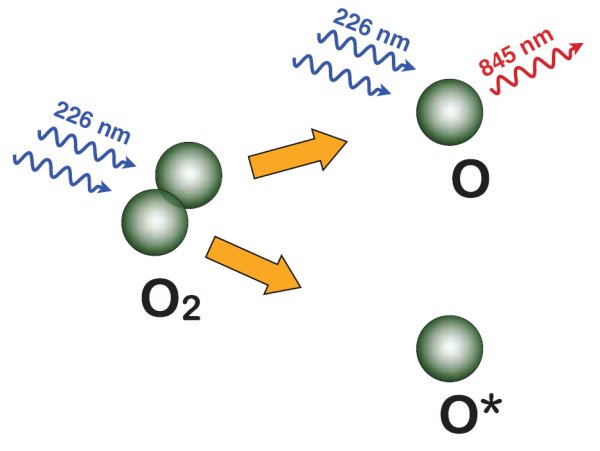
A team of physicists in the US has created an infrared laser beam at a point in mid air, by focusing a UV laser onto a tiny volume of oxygen molecules. Much of the emergent infrared laser light travels back towards the UV laser, sampling the intervening air as it returns. As such, this "backward laser" could potentially provide measurements of pollutants and other molecules in environments that would be hard or impossible to study with conventional laser systems.

There are a number of different ways in which lasers are used to measure the concentration of particular gases in the air, be it pollutants in the atmosphere or the trace gases given off by solid explosives. These techniques include Raman scattering, in which light returns with a shift in wavelength as a result of atomic or molecular laser excitation. However, the scattered light is extremely weak and therefore yields a very low signal. In "stimulated Raman gain", the signal is enhanced by exciting the gas molecules so that they emit at the same frequency as the laser. This requires the detector to be positioned on the far side of the gas sample, which makes its use in some enclosed or remote environments very difficult.

One way to get round this limitation is to set up a laser in mid-air, its beam sampling the molecules along its path as it returns to the source. In 2004 a group led by See Leang Chin of Laval University in Canada used an infrared laser to ionize nitrogen atoms, the recombining ions and electrons then emitting light coherently. However, this approach calls for a very powerful laser, and Chin's group obtained only a very small gain coefficient, which means the researchers had to ionize a long stretch of air to get any significant lasing action.

Population inversion

In the latest work, Richard Miles and colleagues at Princeton University used a different mechanism to set up mid-air lasing. By focusing a 226 nm wavelength laser beam onto a tiny volume of air at a distance of between 30 cm and 1 m, they were able to break down oxygen molecules into their constituent atoms and then excite these atoms. Getting these atoms to lase then relied on two crucial properties of the beam’s focus. Being very high intensity, this focus induces a population inversion in the oxygen atoms, ensuring that there are more excited than non-excited atoms.

In addition to this, the shape of the focus – being about a millimetre long and just a hundredth of a millimetre wide – means that any atoms undergoing spontaneous emission tend to stimulate emission in other excited atoms either in the forward or backward directions, rather than at some arbitrary angle to the beam. This leads to high gain in both forward and backward directions.

To confirm that they had indeed generated backward lasing, the researchers placed a CCD detector a metre behind the focus and then placed a more sensitive photomultiplier tube at arbitrary angles to the beam. They found that the brightness behind the focus was some million times higher than that in other directions.

Inspired by hot flames

According to Miles's colleague, Arthur Dogariu, the inspiration for their backward laser came a few years ago when they were using the same 226 nm laser to study the creation of atomic oxygen inside hot flames. They were using the laser to excite and ionize the atoms liberated by the heat of the flame in order to measure the characteristic emissions of different flames. But what they noticed was that even when they turned the flame off they were still getting a signal – in other words, the laser was breaking up as well as exciting the oxygen.

The researchers now plan to optimize their set-up to see how much higher than can raise the gain of their backward laser. Then they will try and detect various molecules using a number of different detection schemes, including stimulated Raman gain. They say that their backward laser would, for example, make it much easier to scan the atmosphere for signs of methane in the case of a ruptured gas pipe. Alternatively, they say it could be used to enhance the detection of explosives by probing the air around suspect packaging, increasing the distance and reducing the concentrations at which such an analysis could be carried out compared with standard Raman scattering.

Real-world measurements

Chin describes the work as "very interesting" but says he is not yet convinced that such backward lasing could actually be used to detect pollutants and other gases. He maintains that the researchers have not adequately explained how the principle would work with molecules other than oxygen and also cautions that the small-scale laboratory results cannot necessarily be extrapolated to the much larger distances involved in real-world measurements.

Miles Padgett of Glasgow University shares Chin's sentiment. He says the research is "quite fascinating," but adds that "for my money the excitement is the effect itself rather than a possible application at this stage".

دوره آموزشی نرم افــزار LAMMPS

Astronomers find most distant galaxy candidate yet seen

Astronomers studying ultra-deep imaging data from the Hubble Space Telescope have found what may be the most distant galaxy ever seen, about 13.2 billion light-years away. The study pushed the limits of Hubble's capabilities, extending its reach back to about 480 million years after the Big Bang when the universe was just 4 percent of its current age.

"We're getting back very close to the first galaxies, which we think formed around 200 to 300 million years after the Big Bang," said Garth Illingworth from the University of California, Santa Cruz.


Illingworth and Rychard Bouwens from Leiden University in the Netherlands led the study. Using infrared data gathered by Hubble's Wide Field Planetary Camera 3 (WFC3), they were able to see dramatic changes in galaxies over a period from about 480 to 650 million years after the Big Bang. The rate of star birth in the universe increased by 10 times during this 170-million-year period. "This is an astonishing increase in such a short period, just 1 percent of the current age of the universe," Illingworth said.

There were also striking changes in the numbers of galaxies detected. "Our previous searches had found 47 galaxies at somewhat later times when the universe was about 650 million years old. However, we could only find one galaxy candidate just 170 million years earlier," Illingworth said. "The universe was changing very quickly in a short amount of time."

According to Bouwens, these findings are consistent with the hierarchical picture of galaxy formation in which galaxies grew and merged under the gravitational influence of dark matter. "We see a very rapid build-up of galaxies around this time," Bouwens said. "For the first time now, we can make realistic statements about how the galaxy population changed during this period and provide meaningful constraints for models of galaxy formation."

Astronomers gauge the distance of an object from its redshift, a measure of how much the expansion of space has stretched the light from an object to longer — redder — wavelengths. The newly detected galaxy has a likely redshift value of 10.3, which corresponds to an object that emitted the light we now see 13.2 billion years ago, just 480 million years after the birth of the universe. "This result is on the edge of our capabilities, but we spent months doing tests to confirm it, so we now feel pretty confident," Illingworth said.

The galaxy, a faint smudge of starlight in the Hubble images, is tiny compared to the massive galaxies seen in the local universe. Our own Milky Way, for example, is more than 100 times larger. The researchers also described three other galaxies with redshifts greater than 8.3. The study involved a thorough search of data collected from deep imaging of the Hubble Ultra Deep Field (HUDF), a small patch of sky about one-tenth the size of the Moon. During two 4-day stretches in summer of 2009 and summer of 2010, Hubble focused on one tiny spot in the HUDF for a total exposure of 87 hours with the WFC3 infrared camera.

To go beyond redshift 10, astronomers will have to wait for Hubble's successor, the James Webb Space Telescope (JWST), which NASA plans to launch later this decade. JWST will also be able to perform the spectroscopic measurements needed to confirm the reported galaxy at redshift 10. "It's going to take JWST to do more work at higher redshifts. This study at least tells us that there are objects around at redshift 10 and that the first galaxies must have formed earlier than that," Illingworth said.

اولین ژورنال الکترونیکی و آزاد انجمن فیزیک امریکا به زودی شروع به کار خواهد کرد

انجمن فیزیک امریکا، APS ، که ناشر نشریات معتبر Physical Review است، جدیدا تصمیم گرفته است که عضو جدیدی به خانواده‌ی این نشریات با نام Physical Review X اضافه نماید. اختلاف اساسی این نشریه با دیگر نشریات این مجموعه این است که نسخه کاغذی ندارد و نسخه‌ی الکترونیکی آن نیز برای تمام علاقه‌مندان در جهان مجانی و قابل دسترس است. در عوض این نشریه برای چاپ مقالات از نویسندگان هزینه ای در یافت میکند.

Physicists assemble spin ensemble

An international research group claims to have taken an essential step towards silicon-based quantum computing by entangling 10 billion identical quantum bits, or "qubits", inside a silicon crystal. This is the first time that "ensemble entanglement" has been demonstrated in a solid-state device, they claim.

Where conventional computers store data as "bits" with value 1 or 0, in quantum computing data is stored as "qubits", which can hold more than one value at the same time. Qubits are quantum states stored in photons or particles that can become "entangled" with other quantum states, allowing them to transfer information instantaneously regardless of their separation distance.

The upshot is that quantum computers could potentially store and process huge amounts of data at unprecedented speeds. This could enable them to tackle problems beyond the scope of even the most powerful modern computers, including simulating complicated biological processes and strange phenomena from the quantum world itself.

One promising approach to quantum computing is to dope silicon with impurities, which can donate single electrons to the silicon. In this way, quantum information can be stored in the spin state of both the electrons and the dopant nuclei and these particles can be entangled to become qubit pairs. A big advantage of this approach is that silicon is already used by the computer industry so many of the manufacturing processes are already in place.

High fidelity

Stephanie Simmons at the University of Oxford and an international team have now demonstrated the principle of this approach by producing qubits by doping a silicon crystal with phosphorous atoms. By cooling their material to 3 K and exposing it to radio and microwave pulses, Simmons and her colleagues were able to create 1010 pairs of entangled electrons and phosphorous nuclei in what they call a "spin ensemble". They confirm the entanglement to a fidelity of 98% through the emission of microwaves from the silicon crystal.

"We are effectively creating billions of copies of the same quantum information where all spins behave in the same way," Simmons told physicsworld.com. She says that part of the advantage of creating so many copies is to amplify the quantum information to make it easier for researchers to confirm that the particles are in fact entangled.

Jeremy O'Brien, a quantum information researcher at the University of Bristol, agrees that this is an important development. He adds that it will be important to demonstrate the same capability with a single phosphorous nuclear-electron spin system. "Individual control and readout will be essential to quantum computing, as will the ability to entangle many spin systems with one another," he says. "You want the state of one spin system to affect the state of another to be able to really harness the power of quantum computers".

Simmons says that her group is currently investigating ways of transporting information and that one approach is to send controlled electric pulses through the material to physically move electron qubits. She says that she is personally motivated by the possibility of quantum computing and the improved efficiency it could bring to scientific studies such as the study of protein folding – a key process is many biological interactions.

کشف سیاه چاله های پنهان در کهکشانهای فعال

گروهی از ستاره شناسان بین المللی با استفاده از اطلاعات جمع آوری شده توسط ماهواره "سوئیفت" موفق شدند جمعیتی از سیاه چاله های پنهان را کشف کنند.
از سال 2004 تلسکوپ BAT که بر روی ماهواره "سوئیفت" ناسا نصب شده است امکان ساخت وسیع ترین و جامع ترین سرشماری کیهانی را فراهم کرد. این تلسکوپ که در طیف پرتوهای ایکس رصدهای خود را انجام می دهد می تواند چشمه های نوری فواصل بسیار دور، پرتوهای ایکس رسیده از کهکشانهای دیگر و همچنین پرتوهای ایکس سیاه چاله هایی که در پشت گرد و غبار مرکز کهکشانهای فعال پنهان شده اند را شناسایی کند. در این راستا، اکنون گروهی از دانشمندان بین المللی از اطلاعات این ماهواره ناسا برای تائید وجود جمعیتی از کهکشانهایی که سیاه چاله مرکزی آنها دیده نمی شود استفاده کردند. پرتوهای ایکس ساطع شده از این سیاه چاله ها به شدت جذب گرد و غبار پیرامون آنها می شود و بنابراین تاکنون تعداد کمی از آنها شناسایی شده است. این محققان در این خصوص اظهار داشتند: "این سیاه چاله های بسیار پنهان، همگی در اطراف ما هستند، اما پیش از سوئیفت برای رصد شدن بسیار ضعیف و تاریک بودند."

siah.jpg

از سال 2004 تاکنون سوئیفت موفق شده است از سراسر آسمان در طیف پرتوهای ایکس سخت که انرژی آنها بین 15 هزار تا 200 هزار الکترو ولت است نقشه برداری کند. این انرژی هزاران برابر قویتر از انرژی نور مرئی است. در مدت 6 سال از رصدهای سوئیفت، این ماهواره موفق شده است از صدها کهکشان فعال تا فاصله 650 میلیون سال نوری را نقشه برداری کند. این ستاره شناسان از این نمونه های جمع آوری شده، چشمه هایی که به فاصله بیش از 15 درجه از کهکشان راه شیری دور بودند را جدا کردند. این چشمه ها یک فواره از ذرات پر انرژی را از 199 کهکشان نشان می دادند. به گفته این دانشمندان، انواع متفاوتی از کهکشانهای فعال وجود دارند. این خواص متفاوت مربوط به زاویه جهت دید در زمان رصد است.

براساس گزارش اکونومیک تایمز، به این ترتیب کهکشانهایی که در مقابل کهکشان راه شیری قرار دارند نورانی تر دیده می شوند و به تدریج که زاویه دید افزایش می یابد، حلقه گازها و گرد و غبار، پرتوهای تابیده از سیاه چاله را جذب می کنند و بنابراین رصد آنها به شدت دشوار می شود. این محققان افزودند: "این کهکشانهای فعال کاملا تاریک به شدت ضعیف هستند و به سختی پیدا می شوند. ما با بررسی 199 چشمه کیهانی تنها موفق شدیم 9 سیاه چاله آنها را کشف کنیم. اکنون با سوئیفت در حال مطالعه بر روی تعداد دقیق کهکشانهای فعال هستیم."

نابودی میدان مغناطیسی مریخ

دانشمندان تعریف جدیدی برای ناپدید شدن میدان مغناطیسی سیاره مریخ که چهار میلیارد سال پیش اتفاق افتاده ارائه کرده‌اند

تا پیش از چهارمیلیارد سال پیش سیاره مریخ مانند زمین از میدان مغناطیسی برخوردار بوده  که پس از گذشت زمان این میدان ناپدید شده و در پی آن فرصت ایجاد حیات در این سیاره نیز از بین رفته است. بر اساس نظریه جدید، برخورد سیارک‌ها با این سیاره قرمز رنگ به این مساله اشاره می‌کند که با اینکه هیچ تماسی، دینامی را که به مغناطیس آن نیرو می‌دهد از مدار خارج نمی‌کند، ممکن است توالی سریع اصابت 20 سیارک به سطح مریخ این کار را انجام داده باشد. سیارات صخره‌یی مانند زمین، مریخ و عطارد و حتی ماه، میدان‌های مغناطیسی خود را از حرکت آهن مذاب درون هسته خود می‌گیرند؛ پروسه‌ای که به همرفت موسوم است. بسته‌های آهن مذاب، بالا آمده، سرد شده و در هسته فرو می‌رود و یک جریان الکتریکی تولید می‌کند. گردش سیاره، این جریان را در یک سیستم موسوم به دینام به میدان مغناطیسی تبدیل می‌کند.

میدان‌های مغناطیسی می‌توانند با منحرف کردن ذرات باردار از سطح، سیاره را از بارش متناوب ذرات پرانرژی موجود در بادهای خورشیدی حفظ کنند. براساس برخی پژوهش‌ها، احتمالا میدان مغناطیسی زمین از شکل‌های اولیه حیات در برابر تابش‌های مضر خورشید حفاظت کرده و به شکل‌گیری فرم‌های پیچیده‌تر حیات منجر شده است. پیگیری خاصیت مغناطیسی سطح مریخ نشان داده که این سیاره حدود چهار میلیارد سال پیش میدان مغناطیسی خود را از دست داده که باعث شده جو آن به دلیل بادهای سخت خورشیدی خشک شود.

به نقل از همشهــری