مهار نیروهای کازیمیر

با استفاده از صفحات گرافین، محققان در صدد کنترل و حذف نیروی کازیمیر هستند. این‌کار کمک شایانی است به حل مشکلات پیش‌رو در اندازه‌گیری نیروی گرانشی در فواصل کوتاه.

وقتی دو صفحه فلزی بدون بار در خلأ نزدیک یکدیگر قرار داده شوند، افت و خیزهای موجود در میدان کوانتومی خلأ نیرویی جاذبه بین دو صفحه تولید می‌کند. این نیرو تحت عنوان نیروی کازیمیر شناخته می‌شود. اما اگر در عوض جنس صفحات از گرافین باشد آنگاه در حضور یک میدان مغناطیسی پدیده‌ای متفاوت رخ می‌دهد. وانگ کونگ تیسه و آلن مک‌دونالد از دانشگاه Texas در مجله Physical Review Letters گزارش می‌دهند که بر روی راهکاری ممکن مبنی بر کنترل و یا حتی حذف نیروی کازیمیری کار می‌کنند.

این طرح کلی از وجود ترازهای انرژی گسستهٔ لاندائو در گرافین استفاده می‌کند؛ این ترازها به خاطر اثر کوانتومی هال القا شده توسط یک میدان مغناطیسی قوی پدید می‌آیند. بنابراین اثر کازیمیر به ابررسانایی هال وابسته می‌شود، به طوری که به کوانتش نیروی کازیمیر منجر می‌گردد و اجازه می‌دهد تا نیروی کازیمیر بین مقادیر رانشی و ربایشی به طور الکتریکی تنظیم شود. محاسبات نویسندگان نشان می‌دهد که وقتی یکی از صفحات بدون بار الکتریکی اضافی باشد آنگاه نیروی کازیمیر می‌تواند حذف شود. این اثر پیش‌بینی شده بایستی همچنین برای آرایش هندسی صفحه-کره نیز برقرار باشد. ملاحظه این آرایش هندسی بسیار مهم است چرا که نگه داشتن دو صفحه موازی نزدیک یکدیگر در فواصل چنین اندکی بسیار دشوار است و در مطالعات اثر کازیمیر در موارد بسیاری از این آرایش به عنوان آرایش هندسی معادل با دو صفحه موازی استفاده می‌کنند.

انگیزه اصلی برای حذف نیروی کازیمیر به خاطر تلاش‌ها برای اندازه‌گیری نیروی گرانشی در فواصل کوتاه (چند میکرومتر) می‌باشد؛ که از روی آن نظریه‌هایی رفتار مکانیک غیر نیوتونی را پیش‌بینی کرده‌اند. در این فواصل نیروی کازیمیر از نیروی جاذبه گرانشی بیشتر است. طرح کلی نویسندگان این مشکل را حل خواهد کرد و اندازه‌گیری‌های دقیق‌تری را برای نیروی جاذبه گرانشی بدنبال خواهد داشت.


لینک منبع

"کف کوانتومی" هدف یک آزمایش ساده‌

یک محقق آزمایش ساده‌ای را پیشنهاد داده است که با استفاده از آن می‌توان اثرات گرانش کوانتومی از جمله "کف کوانتومی" را که تنها در مقیاس‌های طولی بسیار کوچک از مرتبه طول پلانک خودشان را نشان می‌دهند مورد بررسی و مشاهده قرار داد.

آن‌طور که یاکوب بکنشتاین می‌گوید، می‌توان یکی از بزرگترین چالش‌های فیزیک امروز (یافتن شواهدی برای گرانش کوانتومی) را به کمک یک آزمایش رومیزی ساده از پیش رو برداشت. بکنشتاین که به دلیل مطالعاتش بر روی ترمودینامیک سیاهچاله‌ها به خوبی شناخته شده است، به تازگی پیشنهادی را مبنی بر بررسی اثرات «کف کوانتومی» با استفاده از فوتون‌های منفرد مطرح نموده است. کف کوانتومی که نخستین بار در سال 1955 توسط فیزیکدان آمریکایی جان ویلر (John Wheeler) معرفی شد، اثری است که در مقیاس‌های بسیار کوچک یعنی در شرایطی که افت و خیزهای کوانتومی ساختار فضا-زمان را تحت تاثیر قرار می‌دهند، ظاهر می‌شود.

پیشنهاد بکنشتاین در واقع جدیدترین تلاش برای درک چگونگی اتحاد مکانیک کوانتومی و نظریه نسبیت عام اینشتین به شمار می‌رود. مسئله‌ای که فیزیکدانان را از اوایل قرن بیستم درگیر نموده است، یعنی زمانی که شروع به دیدن جهان از دو دریچه مکانیک کوانتومی و نسبیت عام کردند. یکی از دلایلی که باعث نزاع میان فیزیکدانان در رابطه با نظریات گرانش کوانتومی شده است کمبود شواهد تجربی است. در واقع مشکل اصلی این است که انتظار می‌رود اثرات گرانش کوانتومی تنها در مقیاس‌های طولی بی‌نهایت کوچک قابل مشاهده و اندازه‌گیری باشند. برخی از نظریات گرانش کوانتومی پیشنهاد می‌کنند که آزمایش‌ها باید شامل کاوش در ابعاد طولی کوچکتر از طول پلانک باشند که برابر با 1.6×10⁻³⁵متر است. اگر بخواهیم این مقیاس را با استفاده از یک شتابدهنده ذرات مورد کاوش قرار دهیم، باید شرایطی را فراهم کنیم که در آن ذراتی با انرژی بسیار زیاد از مرتبه 1016 ترا الکترون ولت به هم برخورد کنند. این امر بسیار فراتر از حد توان شتابدهنده هادرونی بزرگ (LHC) با بیشینه انرژی 14 ترا الکترون ولت و در واقع فراتر از حد توان هر شتابدهنده دیگری در آینده نزدیک است. با این حال پیشنهاد بکنشتاین بسیار ساده است و آن‌طور که او ادعا می‌کند، می‌توان آن را در یک آزمایشگاه کوچک فیزیک و با کمک تجهیزاتی که امروزه در اختیار داریم نیز انجام داد.

آماده‌سازی فوتون‌ها

آزمایش پیشنهادی بکنشتاین، شامل شلیک فوتون‌های منفرد به سمت یک تکه شیشه یا بلور است که از نخ نازکی آویزان شده است. هنگامی که فوتون از خلا وارد ماده می‌شود سرعتش به دلیل بالاتر بودن ضریب شکست ماده نسبت به ضریب شکست خلا کاهش می‌یابد. در نتیجه این امر، مقدار اندکی از تکانه فوتون به ماده منتقل می‌شود و باعث جابه‌جایی آن به اندازه بسیار کم می‌شود. بکنشتاین می‌گوید چنانچه از فوتون‌های نور آبی با طول موج 445 نانومتر استفاده کنیم، به ازای برخورد هر فوتون به یک قطعه 150 گرمی از شیشه سرب‌دار ( نوع ویژه‌ای از شیشه‌های سیلیکاتی که در ترکیب خود حاوی اکسید سرب است) شیشه به اندازه 2×10-35 متر جابه‌جا می‌شود که تقریبا با طول پلانک برابر است. نکته اصلی آزمایش در این است که اگر یک فوتون در سمت دیگر شیشه آشکارسازی شود به معنای آن است که شیشه به اندازه بیشتر از طول پلانک جابه‌جا شده است. اما چنانچه انرژی فوتون به اندازه‌ای کاهش پیدا کند یا به طور معادل جرم شیشه به اندازه‌ای افزایش پیدا کند که جابه‌جایی آن کوچکتر یا مساوی طول پلانک شود، گرانش کوانتومی چگونگی پاسخ شیشه به هر فوتون را تحت تاثیر قرار خواهد داد.

بکنشتاین بر این باور است که حضور کف کوانتومی مانع از آن می‌شود که شیشه به همان صورتی که وقتی به طور متوالی با فوتون‌های همسان مورد برخورد قرار می‌گیرد دچار پس‌زنی شود. در واقع همان‌طور که افت و خیزهای الکترومغناطیسی می‌تواند اثرات قابل انداز‌گیری بر اجسام بزرگتر داشته باشد – یک مثال خوب در این رابطه نیروی کازیمیر است- افت و خیزهای فضا-زمانی نیز باید چگونگی حرکت یک جسم در فواصل بسیار کوچک را تحت تاثیر قرار دهند. در مورد آزمایش پیشنهادی بکنشتاین، فوتون‌ها قادر به حرکت در داخل شیشه نیستند که این موضوع به صورت افت در تعداد فوتون‌های آشکارسازی شده در سمت دیگر شیشه مشاهده می‌شود.

بکنشتاین تصدیق می‌کند که این آزمایش "بسیار چالش برانگیز است، اما فراتر از توان فیزیکدانان تجربی امروز نیست". در حقیقت خلق و آشکارسازی فوتون‌های منفرد، امروزه یک امر کاملا عادی در آزمایش‌های اپتیک کوانتومی محسوب می‌شود که در آزمایشگاه‌های بسیاری در سراسر دنیا در حال انجام هستند. کمینه کردن اثرات نوفه حرارتی نیز یکی از چالش‌های پیش روی این آزمایش است و آن‌طور که محاسبات بکنشتاین نشان می‌دهد، دستگاه باید تا دمای 1 کلوین سرد شود و در شرایط خلا کامل با فشار 10-10 پاسکال قرار گیرد که هر دوی این شرایط فناوری‌های بسیار پیشرفته‌ای را می‌طلبند.

سایر طرح‌های رومیزی

بکنشتاین تنها فیزیکدانی نیست که آزمایش‌های ساده‌ای را برای کاوش در نظریه گرانش کوانتومی پیشنهاد داده است. به عنوان مثال، در اوایل سال جاری ایگور پیکوفسکی (Igor Pikovski) و همکارانش از دانشگاه وین و کالج سلطنتی لندن روشی را برای انجام اندازه‌گیری‌های اپتیکی بر روی یک نوسانگر مکانیکی با جرمی در حدود جرم پلانک (حدود 22 میکرو مول) پیشنهاد دادند. در حقیقت پیکوفسکی به فیزیکز ورلد (physicsworld.com) گفته است که آزمایش بکنشتاین کاملا امکان پذیر به نظر می‌رسد. آن‌طور که وی اشاره می‌کند " یکی از مزایای آزمایش پیشنهادی بکنشتاین آن است که فیزیکدانان می‌توانند فوتون‌های منفرد را به خوبی کنترل کنند و به صورت کاملا دقیق آن‌ها را آشکاری‌سازی نمایند."

پیکوفسکی همچنین تصریح می‌کند که تکنیک استفاده شده در آزمایش بکنشتاین بسیار سودمند است، حتی اگر برخی مسائل آزمایشگاهی به آن اجازه کاوش در فواصلی از مرتبه 10-35 متر را ندهد. دلیل این امر آن است که طبق پیش‌بینی برخی از نظریات گرانش کوانتومی اثراتی همچون کف کوانتومی می‌توانند در مقیاس‌های طولی به بزرگی 10-25 متر نیز خودشان را نشان دهند. اگرچه هنوز مشخص نیست که آیا آزمایش‌های رومیزی پیشنهادی نظیر آزمایش‌های بکنشتاین، پیکوفسکی و دیگران با موفقیت روبرو خواهند شد یا خیر، با این حال پیکوفسکی معتقد است که اندازه‌گیری‌های آزمایشگاهی انجام گرفته توسط این آزمایش‌ها اطلاعات بسیار مهمی را در رابطه با گرانش کوانتومی طی دهه‌های آینده فراهم خواهند کرد.

Modeling Quantum Field Theory

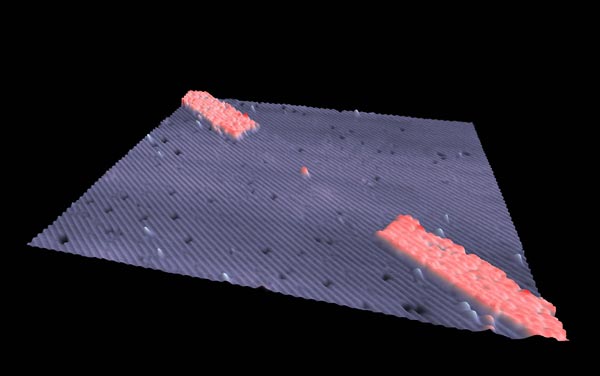
در فضای تهی فوتون‌های مجازی دائماً افت و خیز می‌کنند. این فوتون‌ها به سرعت به وجود می‌آیند و به سرعت نابود می‌شوند. با اینکه فوتون‌های مجازی همواره در اطراف ما حضور دارند اما مستقیماً قابل رؤیت نمی‌باشند. با این حال در یک نوع محیط خاص با ناهمگونی‌های زمانی (فرکانس) و مکانی، این فوتون‌ها به کمک بعضی از اثرات به فوتون‌های حقیقی و قابل مشاهده تبدیل خواهند شد. گفتنی است که متأسفانه ساخت چنین محیط‌هایی بسیار دشوار است. به هر حال این چالش به کمک نوع خاصی از مادهٔ چگال (چگالش بوز-اینشتین) که ویژگی‌هایی مشابه با خلأ دارد مرتفع خواهد شد. جین کریستوف جاسکولا و همکارانش در مجله فیزیکال ریویو لِتِر از دانشگاه پاریس-سود (فرانسه) گزارش می‌دهند که با استفاده از چگالش بوز-اینشتین (به جای خلأ) در اثر دینامیک کازیمیر ذرات حقیقی تولید می‌کنند (شکل ۱ را ببینید). به علاوه از آنجا که در اثر کازیمیر  به جای خلأ از مادهٔ چگال استفاده می‌شود ذرات حقیقی مشاهده شده در واقع ناشی از افت و خیزهای گرمایی نسبت به افت و خیزهای کوانتومی خلأ می‌باشد.

Figure 1

پدیده‌ای که توسط جاسکولا و همکارانش مورد مطالعه قرار می‌گیرد قبلاً توسط انگِل و همکارانش بررسی شد با این تفاوت که تعبیر آنها کاملاً کلاسیکی بود، بدین شکل که از ذرات حقیقی تولید شده به عنوان امواج فاراده تعبیر می‌شد. اکنون جاسکولا و همکارانش نشان می‌دهند این امواج در فضای تکانه دو به دو با یکدیگر هم‌پوشانی دارند، از این رو بین تولید زوج در مکانیک کوانتومی و اثر دینامیک کازیمیر ارتباطی برقرار می‌کند. اثر دینامیک کازیمیر واقعی (یعنی به جای چگالش بوز-اینشتین خلأ کامل مد نظر باشد) در مرجع  بررسی شده‌ است. به هرحال چنین تمهیداتی برای تولید ذرات حقیقی به کمک تلاش‌های آزمایشگاهی نادر است. برای هر اثری (اثر دینامیک کازیمیر) انجام این گونه آزمایش‌ها دشوار است. حال چند نمونه را مرور کنیم.

در اثر شویینگر یک میدان الکتریکی همگن می‌تواند دو دسته از ذرات مجازی با بار مخالف را از هم جدا کند. میدان الکتریکی بایستی به اندازه کافی قوی باشد تا به ذرات شتابی به اندازه  ...  دهد. بنابراین برای تولید یک زوج الکترون-پوزیترون میدان الکتریکی مورد نیاز بایستی ۱۰۱۹ ولت بر متر باشد. این میدان به ذرات شتابی به اندازه  ۱۰۲۹ متر بر مجذور ثانیه می‌دهد. برای تصور، اگر این شتاب در چارچوب مرجع آزمایشگاهی حفظ شود در یک فاصله مشخص الکترون از حالت سکون به سرعت نور می‌رسد.

افقِ رویداد یک سیاه‌چاله نیز می‌تواند زوج‌های ذرات مجازی (فوتون‌ها) را به ذرات حقیقی تحت عنوان تابش هاوکینگ تبدیل کند. یک بخش زوج دارای انرژی منفی و دیگری دارای انرژی مثبت می‌باشد. درون افقِ رویداد فوتون‌های مجازی با انرژی مثبت و منفی به میزان بسیار انبوهی وجود دارند. فوتون‌های حقیقی تحت عنوان تابش هاوکینگ از سیاه‌چاله دور می‌شوند. متأسفانه این تابش بقدری ضعیف است که با تکنولوژی کنونی قابل رؤیت نمی‌باشد. البته گفتنی است که تولید سیاه‌چاله‌های کوچک به این موهم کمک خواهد کرد.

از سوی دیگر فوتون‌های مجازی می‌توانند بوسیله شتاب دادن آشکارساز فوتون‌ها، آشکارسازی شوند (اثر اونرو). در چارچوب مرجع آشکارساز، فوتون‌های مجازی خلأ به نظر می‌رسد توزیع گرمایی ناشی از فوتون‌های حقیقی باشند. به عبارت دیگر فوتون‌های مجازی از طریق اثر دوپلر به فوتون‌های حقیقی تبدیل می‌شوند.

روش دیگری برای آشکارسازی فوتون‌های مجازی تغییر (سریع) طبیعت خلأ است. در اثر دینامیک کازیمیر یک تشدید کننده، طیف وسیعی از ویژه مدها دارد. این مدها توسط افت و خیزهای مجازی خلأ اشغال می‌شوند. یکی از این مدها در شکل ۱ نشان داده می شود که در آن ناگهان طول تشدید کننده به سرعت (در کسری از سرعت نور) تغییر می‌کند. این تغییر بقدری سریع است که فرآیند به شکل بی‌دررو صورت می‌گیرد. در این صورت جمعیت افت و خیزهای مجازی خلأ زیاد می‌شود. آنگاه جمعیت اضافی، فوتون‌های حقیقی و قابل مشاهده تولید می‌کند.

همانطور که می‌بینیم تبدیل فوتون‌های مجازی به فوتون‌های حقیقی و قابل مشاهده یک چالش بزرگ است. در همه موارد ذکر شده دست‌یابی به پارامترهای آزمایشگاهی مورد نیاز بسیار دشوار است. اما چه روی می‌داد اگر ما می‌توانستیم سرعت نور را با سرعت صوت جایگزین کنیم؟ در یک  چگالش بوز-اینشتین فونون‌ها می‌توانند نقش فوتون‌ها را بازی کنند، همچنین چگالش به تنهایی می‌تواند نقش خلأ کوانتومی را بازی کند. این همان ایده‌ای است که مبنی بر شباهت ماده چگال و خلأ ذکر شد. پیرو پیشنهاد کاروسوتو و همکارانش جاسکولا و همکارانش از یک چگالش بوز-اینشتین سیگاری شکل به عنوان یک تشدید کننده برای اثر دینامیک کازیمیر استفاده کردند.

در آزمایش جاسکولا و همکارانش نور لیزر کانونی شده روی چگالش بوز-اینشتین تابانده شد. اتم‌های تشکیل دهنده چگالش به نور روشن جذب شدند (همچون تجمع حشرات به اطراف لامپ). در یک آزمایش، نویسندگان مربوطه شدت نور لیزر را به طور ناگهانی تا دو برابرافزایش دادند (این کار موجب افزایش ناگهانی سرعت صوت در چگالش شد) و از طرف دیگر طول تشدید کننده را در زمان بسیار اندکی (شکل ۱ را ببینید) کاهش دادند. این فرآیند به تولید زوج فونون‌های با تکانه‌های مساوی (از لحاظ اندازه) و مخالف (از لحاظ جهت) منجر شد. در آزمایش بعدی شدت لیزر به طور سینوسی تنظیم شد (با تغییری در حدود ۱۰ درصد). این بار زوج‌های فونونی با فرکانسی معادل با نصف فرکانس اولیهٔ لیزر تولید شد. از این رو ارتباط بین اثر دینامیک کازیمیر و تبدیل پارامتریِ اپتیک غیر خطی اثبات می‌شود. مطالعه اثر دینامیک کازیمیر بخشی از تلاش ما می‌باشد تا خودمان را از این حیث که فضای تهی با فوتون‌های مجازی پر شده‌است، متقاعد کنیم. اگر فوتون‌ها واقعاً آنجا هستند، ما می‌خواهیم آن‌ها را در خلأ واقعی ببینیم، همچنین در یک چگالش بوز-اینشتین مشابه خلأ می‌خواهیم آن‌ها را آشکار سازی کنیم.

لینک منبع مقاله

BaBar makes first direct measurement of time-reversal violation

The BaBar collaboration has made the first direct observation of time-reversal (T) violation. The results are in agreement with the basic tenets of quantum field theory and reveal differences in the rates at which the quantum states of the B0 meson transform into one another. The researchers say that this measured lack of symmetry is statistically significant and consistent with indirect observations. The BaBar detector at the PEP-II facility at SLAC in California was designed to study the collisions of electrons and positrons and to determine the differences between matter and antimatter. In particular, physicists working on the experiment are interested in the violation of the charge–parity symmetry (or CP violation). Although the detector was decommissioned in the spring of 2008, data collected during the period of operation continue to be analysed.

Symmetries of the universe

Our current understanding of the universe suggests that it is governed by certain fundamental symmetries. One of these symmetries looks at the relation between charge (C), parity or "handedness" (P), and time (T) – meaning that if you apply a CPT transformation to a system, it shows no difference from the original system. However, physicists are constantly searching for any possible signs of CPT-violation, which could indicate the presence of new physics. In the realm of the weak force, however, instances of the breaking of individual symmetries have been observed in cases of parity inversion or a combination of parity inversion and charge conjugation (CP). Therefore, it was expected that these systems would also show asymmetries when time was reversed. That is, transformation from one state to another would occur at different rates when the process is reversed in time, thus showing a T-violation.

"While CP violation in the B sector is well established by both BaBar and Belle, all CPT-violation tests have always been consistent with zero," says Patrick Koppenburg, a physicist from the Dutch National Institute for Subatomic Physics (Nikhef), and a member of the LHCb collaboration at CERN. "So, the observation of T violation is not a surprise, but it still needed to be tested." Indeed, physicists have waited for nearly 50 years to make this direct observation since the discovery of CP violations in 1964. The discovery also comes 14 years after another experiment – the CPLEAR experiment – claimed to have the first experimental proof of the violation in 1998 but this claim proved controversial.

Probing the arrow of time

Electron–positron collisions inside BaBar are tuned to just the right energy for producing Υ(4S) mesons, which are composed of a bottom quark and its antiquark. These Υ particles swiftly decay into B mesons, such as the neutral B0 mesons used in this study. In 10 years, BaBar detected almost half a billion pairs of B and anti-B mesons. Since these pairs are created from the same Υ, they inherit their quantum numbers from the parent Υ. This "entanglement" of the two simultaneously produced B0 mesons is crucial to observing T violations. "Since the global quantum numbers of the B0-antiB0 system are fixed by the Υ(4S) decay, the state of the first B0 meson to decay – whatever it may be – dictates the state of the other B0 meson at that time, which itself decays after some time into another state," explains Fernando Martinez-Vidal, who is at the Institute for Particle Physics at the University of Valencia and Spain's National Research Council (CSIC), and is one of the physicists who worked on this study. "By appropriately choosing the states into which the first and second B0 mesons decay, we can prepare the processes to be studied and compared."

Forwards and backwards

In the world of quantum physics, the individual mesons can be expressed as superpositions, in terms of linear combinations of both B0 and anti-B0 flavour states. The transformations studied are the change of a B0 meson from a "flavour" state to a "linear-combination" state, and the time-reversed change from a "linear-combination" state to a "flavour" state. To begin with, the BaBar physicists identified the flavour of the first meson in the pair to decay (B0 or anti-B0) and used this information to "tag" the flavour of the second meson. Taking the instant this decay occurred as the starting time, they measured the time it took the second meson to transform into a linear-combination state. They then performed the measurement in reverse: if the first meson transforms into a linear-combination state, this information can be used to determine the linear-combination state of the second meson and measure the time taken for it to decay into a "flavour" state. Thus, by exchanging the initial and final states of the transformation, the physicists could see if there were any differences in the rates of each of these transformations. Unsurprisingly, they found the difference they were looking for, with a significance of 14σ – in particle-physics experiments, a significance of 5σ and above is considered a definite discovery. While BaBar may have gone silent nearly half a decade ago, hopefully more new results will emerge from the collected data.

شمارش فوتون‌ها در پلاسمای کوارک-گلوئونی

مطالعه پلاسمای کوارک-گلوئونی (QGP) کار چندان ساده‌ای نیست. حتی تعیین میزان داغی این نوع پلاسما نیز با دشواری‌هایی همراه است. اما محصول فوتونی به دست آمده از مراحل ابتدایی شکل‌گیری پلاسمای کوارک-گلوئونی، «دماسنج» مناسبی به شمار می‌رود و در سال‌های اخیر نیز اندازه‌گیری‌های دقیقی به طور مشترک توسط آزمایشگاه ملی بروکهاون و شتاب‌دهنده هادرونی بزرگ (LHC) در این رابطه انجام گرفته است. با این حال درک نظری سازوکارهای فیزیکی که منجر به تولید این فوتون‌ها می‌شوند هنوز در پرده‌ای از ابهام قرار دارد.

به تازگی در مقاله‌ای که توسط گوکچه بشار و همکارانش از دانشگاه استونی بروک نیویورک در فیزیکال ریویو لترز (Physical Review Letters) چاپ شده است، سازوکاری برای تولید فوتون‌ها در پلاسمای کوارک-گلوئونی بر اساس یکی از ویژگی‌های شناخته شده کرومودینامیک کوانتومی (QCD) به نام «ناهنجاری همدیس» پیشنهاد شده است. نظریه QCD به عنوان یک سیستم کلاسیک از نوعی تقارن ویژه (ناوردایی همدیس) برخوردار است که این تقارن توسط اثرات کوانتومی در هم شکسته می‌شود. بشار و همکارانش نشان داده‌اند که در هم شکستن غیرعادی این تقارن در حضور میدان‌های مغناطیسی قوی نظیر میدان‌هایی که در پلاسمای کوارک-گلوئونی وجود دارند، می‌تواند منجر به سازوکارهای جدیدی برای تولید فوتون شود. آن‌ها همچنین نشان داده‌اند که تعداد فوتون‌های تولید شده در این سازوکار را می‌توان با استفاده از علائم تجربی شناخته شده تخمین زد. با ین حال تحلیل‌های مفصل بیشتری برای درک نقش سازوکار پیشنهادی در مورد پلاسمای کوارک-گلوئونی نیاز است و ما همچنان مشتاقانه در انتظار انتشار نتایج این تحلیل‌ها هستیم.

لینک منبع مقاله

لینک مقاله ذکر شده در فیزیکال ریویو لترز

تنظيم نقطه‌های کوانتومی برای تولید درهم‌تافته‌گی

پژوهش‌گران برای برطرف کردن نقص‌هایی که معمولا ساختارهای نانوی نیمه‌رسانا را از گسیل کردن فوتون‌های درهم‌تافته بازمی‌دارند، تركيبي از میدان الکتریکی و تنش مکانیکی را بر سامانه‌اي از نقطه‌های کوانتومی، اعمال كرده‌‌اند. درهم‌تافته‌گی مکانیک کوانتومی را از مکانیک کلاسیک متمايز مي‌كند و از همين رو، عنصر اصلي در بیش‌تر کاربردهای دانش اطلاعات  کوانتومی‌ست. پیش از این، درهم‌تافته‌گی زمینه‌‌ساز آزمایش‌های بنیادی بسیاری بر مکانیک کوانتومی بوده، اسباب ارتباطاتی امنی به‌دست‌داده، انجام یک سری محاسبات را با استفاده‌ از الگوریتم‌هایی که هیچ کامپیوتر کلاسیکی قادر به اجرایشان‌ نبود، ممکن ساخته، و پیش‌رفت‌هایی در تصویر‌برداری و حس‌گرهای نوری به ‌وجود آورده‌است.

Figure 1

در گام‌ بعدی، دانش‌‌مندان به منابع قابل‌اعتماد تولید انبوه فوتون‌های درهم‌تافته نیاز دارند. یک پیش‌نهاد، به‌کاربستن نقطه‌های کوانتومی‌ست؛ اما مشکل این اتم‌های دست‌ساز، نقص‌های ساختاری‌شان است که با از بین‌بردن جفت‌شد‌ه‌گی انرژی‌های فوتون‌های گسیل شده، درهم‌تافته‌گی را خراب می‌کنند. در پژوهش‌های تازه‌ای که در Physical Review Letter چاپ شده‌اند،برای غلبه بر این دشواری پیش‌نهاد شده‌است که از طريق اعمال میدان الکتریکی و تنش مکانیکی بر ساختار الکترونی نقطه‌ها اثر گذاشته و امکان درهم‌تافته‌گی احيا شود.

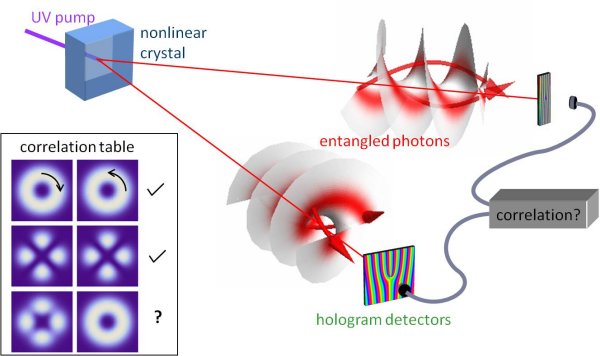
یک جفت فوتون درهم‌تافته، را می‌توان به‌صورت فیزیکی از هم جدا کرد، اما مشخصه‌های کوانتومی آن‌ها هم‌چنان در یک‌دیگر قفل‌‌شده باقي می‌مانند. مثلا هر اندازه‌گیری بر قطبش یکی از فوتون‌ها، خودبه‌خود قطبش دیگری را تعیین می‌کند. امروزه، در بیش‌تر آزمایش‌ها، فوتون‌های درهم‌تافته‌ی لازم را با یک فرآیند ضعیف تغییر خودبه‌خودی فرکانس در یک بلور غیرخطی تولید‌ می‌کنند؛ در این فرآیند، فوتون مادر به دو فوتون دختر درهم‌تافته‌ تبدیل می‌شود که طول‌موج‌ هرکدام بلندتر از طول‌موج مادراست. برای این کار به یک لیزر پمپی با شدت بالا، و  در خروجی به غربال شدید طیفی و فضایی، نیاز است. اگر این فرآیند با قدرت پایینی انجام شود، در بیش‌تر نوبت‌ها فوتون‌های تولید‌شده درهم‌تافته نبوده و اگر قدرت پمپ بسیار بالا باشد، جفت‌فوتون‌های بسیار زیادی گسیل می‌شوند. بنیادی‌ترین مشکل در راه گسترش فن‌آوری‌های داده‌‌های کوانتومی‌ ِ برپایه‌ی فوتون‌های جفت‌شده، آمار این فرآیند‌ است؛ و نکته آن‌جاست که تنها با گسترش این فن‌آوری‌ها می‌توان به رقابت با نمونه‌های مشابه کلاسیکی‌ برخواست.

اما تمام منابع درهم‌تافته‌گی با آمار مشابهی دست‌ به گریبان نیستند. با فرآیند فروریزی اتمی که در آن اتم در هر واپاشی دو فوتون تولید می‌کند، می‌توان در هر آن، تقریبا تنها و تنها یک جفت ِ‌ درهم‌تافته‌‌ درست‌کرد. برای آن‌که در این فرآیند فوتون‌های گسیل شده از نظر تمام درجات آزادی‌شان، معمولا قطبش، تفکیک‌ناپذیر بمانند، تقارن‌های اتمی بسیار مهم خواهند بود. در سال ۲۰۰۰، الیور بیسون و هم‌کاران، به فرآیند مشابهی که می‌توانست در نقطه‌ی کوانتومی نیمه‌رسانا رخ دهد، اشاره کردند. به دلایل فراوانی، برای تولید تک‌جفت‌های درهم‌تافته‌، منبع نیمه‌رسانا را  به اتم‌های گیرافتاده ترجیح می‌دهیم. به علاوه یک ریزتراشه‌ی دماپایین می‌تواند دربردارنده‌ی دسته‌ای از منابع که هرکدام، در هر آن، تنها یک جفت فوتون درهم‌تافته تولید می‌کنند، باشد؛ و در نتیجه می‌تواند جای‌گزین مناسبی برای ساختارهای حجیمی که ممکن است در شرایطی دیگر در روش اتم گیرافتاده استفاده شوند، باشد. متاسفانه رویای منابع نیمه‌رسانا برای تولید هم‌تافته‌گی به سرعت با مشکل روبه‌رو شد: به علت کم‌بود تقارن‌های اتم‌مانند در نقطه‌های کوانتومی واقعی، اولین تلاش‌های تولید جفت فوتون‌های درهم‌تافته در این فن‌آوری ناکام ماندند.

به خاطر روش تولید فوتون‌ها، تقارن اهمیت بالایی می‌یابد. این فرآیند با تولید اکسیتون‌ها که حالات مقید کوتاه‌مدت الکترون رسانش و حفره‌ی والانس می‌باشند، شروع می‌شود. ممکن است این حالت‌ها به صورت نوری یا الکتریکی پمپاژ شوند. ممکن است حالتی که در آن یک جفت اکسیتون نقطه را اشغال می‌کنند، به صورت طیفی انتخاب گردد. از آن‌جا که این دو اکسیتون نقطه‌ی محدود شده‌ی یک‌سانی را اشغال می‌کنند، حالت‌های پایه‌شان تابع‌موج فضایی مشابه و با توجه به اصل طرد پاولی، اسپین‌های مخالف خواهند داشت؛ و زمانی‌‌که الکترون‌ها و حفره‌‌های دو اکسیتون با هم ترکیب می‌شوند، قطبش دو فوتون گسیل شده که با اسپین اکسیتون‌ها هم‌بسته‌اند، مخالف هم خواهند بود. اگر این دو فوتون از نظر طول‌موج هم تفکیک‌ناپذیر باشند، آ‌ن‌گاه درهم‌تافته‌ی‌قطبشی‌‌اند. به‌هرروی، نقص‌های نقطه‌های کوانتومی می‌توانند انرژی هرکدام از این حالت‌های اکسیتونی را تغییر داده و منجر به هم‌بسته‌گی نامطلوبی میان قطبش هر فوتون و طول‌موج گسیل‌اش شود و این اثر بدی روی درهم‌تافته‌گی دارد. نمودار انرژی یک نقطه‌ی نقص‌دار، می‌تواند به علت جفت‌شده‌گی‌های اکسیتون‌ها پیچیده باشد.

برای به‌بود بخشیدن به درهم‌تافته‌گی باید انرژی هر دو حالت اسپینی اکسیتون جفت شوند. نقص‌هایی که تبه‌گنی اسپینی در نقطه‌های کوانتومی InGaAs را برهم می‌زنند، به صورت تصادفی و به‌خاطر تنش‌ها ایجاد می‌شوند و به سختی می‌توان از دست آن‌ها رها شد. پژوهش‌گران در گذشته با روش‌های اصلاح پس از رشد، مانند افزودن تنش، میدان‌های مغناطیسی dc، میدان‌های الکتریکي dc، و میدان‌های نوری، به تولید اسپین‌های تبه‌گن و در نتیجه درهم‌تافته‌گی پرداخته‌اند. باوجود این تصحیح‌ها آینده‌ی رویای تولید آرایه‌های بزرگ من‍ابع نقطه‌ای کوانتومی، مبهم است؛ چراکه این روش‌های اصلاح تنها برای نقطه‌های اندکی کار می‌کنند، مثلا آن‌هایی که نقص‌شان با عامل استفاده شده، جور در می‌آید.

بنابر گزارش رینالدو تروتا و هم‌کاران از موسسه‌ی تحقیقاتی مواد و حالت جامد لایبنیتز در آلمان، این گروه به این پیش‌رفت که به جای یک، از دو عامل استفاده‌کنند، دست یافته‌اند. با این ترکیب می‌توان تبه‌گنی اسپینی اکسیتون را  تقریبا در هر نوع نقطه اصلاح کرد؛ در این طراحی جدید، اولین عامل یک میدان الکتریکی dc در راستای رشد نقطه (که در شکل با صفحه‌های فلز و باتری نمایش داده‌ شده‌است) می‌باشد. این گروه پژوهشی با رشد دادن نقطه در ساختاری دیود مانند به این میدان می‌رسد. دومین عامل، تنشی مکانیکی‌ست که در جهت عمود بر میدان dc (در شکل با یک گیره نشان داده شده‌است) وارد می‌شود. این تنش با محرک‌های فیزوالکتریکی که در ارتباط مکانیکی با این دست‌گاه‌اند، پخش می‌شود. بنا بر توضیح نویسنده‌گان، اساس کار این دست‌گاه این است که عامل اولی جهت اختلال ِ مخرب ِ درهم‌تافته‌گی را تعیین کرده و دیگری دامنه‌‌اش را تنظیم می‌کند. این گروه برای اثبات این حرف میدان الکتریکی و تنش را تغییر داده و انرژی و قطبش فوتون‌های گسیل‌شده از چند نوع نقطه‌‌ی کوانتومی را اندازه‌گیری کردند. سپس این مشاهدات را با یک مدل ساده اما رایج بررسی کردند. هرچند با این آزمایش‌ها واقعا به درهم‌تافته‌گی نرسیدند، نتیجه‌ها نشان می‌دهند که  تبه‌گنی لازم برای خلق جفت فوتون‌های درهم‌تافته به‌دست آمده‌است. کارهای پیشین شکی بر جای نمی‌گذارند که این دست‌گاه ِ دوعامله می‌تواند درهم‌تافته‌گی تولید کند.

به هر روی ساختن جفت‌های درهم‌تنیده‌ با به‌کار بستن ِ نقطه‌های کوانتومی نیمه‌رسانا هم‌چنان تلاش فراوانی می‌خواهد. برای داشتن یک منبع موثر باید فوتون‌های گسیل‌شده تنها در یک جهت دل‌خواه باشند؛ این مشکلی‌ست که با افزودن خلاهای میکرونی حل خواهد شد. هم‌چنان باید به بسیاری مشکلات مهندسی پرداخت؛ مانند مدیریت جای‌گزینی نقطه‌های کوانتومی با بازده بالا ، انتخاب روش پمپاژ الکتریکی، و یافتن سازوکاری برای جبران ناهم‌گنی بالای فوتون‌ها در دست‌گاه‌های مختلف. برای پیروزی بر این دشواری‌ها هم‌چنان باید به‌ پژوهش پرداخت. اما به سبب بهینه‌گی منابع فوتون‌های درهم‌تنیده، این تلاش‌ها بی‌فایده نخواهند بود؛ چراکه به واقعیت پیوستن فن‌آوری‌های ِ برپایه‌ی ِ درهم‌تافته‌گی با کاربردهایی در اندازه‌گیری و داده‌های کوانتومی، خود انقلاب بزرگی‌ست.

لينك مقاله

Planck's law violated at the nanoscale

In a new experiment, a silica fibre just 500 nm across has been shown not to obey Planck's law of radiation. Instead, say the Austrian physicists who carried out the work, the fibre heats and cools according to a more general theory that considers thermal radiation as a fundamentally bulk phenomenon. The work might lead to more efficient incandescent lamps and could improve our understanding of the Earth's changing climate, argue the researchers.

A cornerstone of thermodynamics, Planck's law describes how the energy density at different wavelengths of the electromagnetic radiation emitted by a "black body" varies according to the temperature of the body. It was formulated by German physicist Max Planck at the beginning of the 20th century using the concept of energy quantization that was to go on and serve as the basis for quantum mechanics. While a black body is an idealized, perfectly emitting and absorbing object, the law does provide very accurate predictions for the radiation spectra of real objects once those objects' surface properties, such as colour and roughness, are taken into account.

However, physicists have known for many decades that the law does not apply to objects with dimensions that are smaller than the wavelength of thermal radiation. Planck assumed that all radiation striking a black body will be absorbed at the surface of that body, which implies that the surface is also a perfect emitter. But if the object is not thick enough, the incoming radiation can leak out from the far side of the object instead of being absorbed, which in turn lowers its emission.

Spectral anomalies spotted before

Other research groups had previously shown that miniature objects do not behave as Planck predicted. For example, in 2009 Chris Regan and colleagues at the University of California, Los Angeles reported that they had found anomalies in the spectrum of radiation emitted by a carbon nanotube just 100 atoms wide.

In this latest work, Christian Wuttke and Arno Rauschenbeutel of the Vienna University of Technology have gone one better by showing experimentally that the emission from a tiny object matches the predictions of an alternative theory.

To produce the 500-nm thick fibre they used in their experiment, Wuttke and Rauschenbeutel heated and pulled a standard optical fibre. They then heated the ultra-thin section, which was a few millimetres long, by shining a laser beam through it and used another laser to measure the rate of heating and subsequent cooling. Bounced between two mirrors integrated into the fibre a fixed distance apart, this second laser beam cycled into and out of resonance as the changing temperature varied the fibre's refractive index and hence the wavelength of radiation passing through it.

Fluctuational electrodynamics

By measuring the time between resonances, the researchers found the fibre to be heating and cooling much more slowly than predicted by the Stefan–Boltzmann law. This law is a consequence of Planck's law and defines how the total power radiated by an object is related to its temperature. Instead, they found the observed rate to be a very close match to that predicted by a theory known as fluctuational electrodynamics, which takes into account not only a body's surface properties, but also its size and shape plus its characteristic absorption length. "We are the first to measure total radiated power and show quantitatively that it agrees with model predictions," says Wuttke.

According to Wuttke, the latest work could have practical applications. For example, he says that it might lead to an increase in the efficiency of traditional incandescent light bulbs. Such devices generate light because they are heated to the point where the peak of their emission spectrum lies close to visible wavelengths, but they waste a lot of energy because much of their power is still emitted at infrared wavelengths. Comparing a 500nm-thick light-bulb filament with a very short antenna, Wuttke explains that it would not be thick enough to efficiently generate infrared radiation, which has wavelengths above about 700 nm, therefore suppressing emission at these wavelengths and enhancing emission at shorter visible wavelengths. He points out, however, that glass fibre, while ideal for the laboratory, would be a poor candidate for everyday use, since it is an insulator and is transparent to visible light. "A lot of research would be needed to find a material that conducts electricity and is easily heated, while capable of being made small enough and in large quantities," he says.

Atmospheric applications

The research might also improve understanding of how small particles in the atmosphere, such as those produced by soil erosion, combustion or volcanic eruptions, contribute to climate change. Such particles might cool the Earth, by reflecting incoming solar radiation, or warm the Earth, by absorbing the thermal radiation from our planet, as greenhouse gases do. "The beauty of fluctuational electrodynamics", says Wuttke, "is that just by knowing the shape and absorption characteristics of the material you can work out from first principles how efficiently and at which wavelengths it is absorbing and emitting thermal radiation." But, he adds, here too more work would be needed to apply the research to real atmospheric conditions.

One thing that Wuttke and Rauschenbeutel are sure of, however, is that their research does not undermine quantum mechanics. Planck's theory, explains Rauschenbeutel, is limited by the assumption that absorption and emission are purely surface phenomena and by the omission of wave phenomena. His principle of the quantization of energy, on the other hand, is still valid. "The theory we have tested uses quantum statistics," he says, "so it is not in contradiction with quantum mechanics. Quite the opposite, in fact."

Regan describes the latest work as "very elegant", predicting that it will "illuminate new features of radiative thermal transport and Planck's law at the nanoscale". He suggests, however, that using an emissivity model that incorporates the transparency of the thin optical fibres would allow Planck's law to more accurately describe the radiation from these tiny emitters.

قطعیت اصل عدم قطعیت

زمانی‌که دانش‌جویان برای اولین بار مکانیک کوانتومی می‌خوانند، درباره‌ی اصل عدم قطعیت هایزنبرگ چیزهایی می‌آموزند؛ بیش‌تر هم به‌شکلی معرفی می‌شود که گویی راجع به عدم‌قطعیتی ذاتی‌ست که هر دست‌گاه کوانتومی باید داشته‌باشد. درحالی‌که هایزنبرگ این اصل را به‌عنوان «اثر مشاهده‌گر» تدوین کرده‌است: رابطه‌ای میان دقت اندازه‌گیری و اخلال حاصل از آن؛ مانند وقتی که یک فوتون مکان یک الکترون را اندازه‌گیری می کند. گرچه شکل پیشین به دقت اثبات شده‌است، دیگری کم‌تر رایج است ـو همان‌طور که اخیرا نشان داده شده‌است‌- از نظر ریاضی اشتباه می‌باشد. لی رُزما و هم‌کاران از دانش‌گاه تورنتو، کانادا، در مقاله‌ای در Physical Review Letters، به صورت آزمایشگاهی نشان‌ داده‌اند که درواقع یک اندازه‌گیری می‌تواند رابطه‌ی اصلی دقت-اخلال هایزنبرگ را زیرپا بگذارد.

اگر یک مشاهده‌گر، روی مورد مشاهده‌شده تاثیر بگذارد، چه‌کسی می‌تواند اخلال حاصل از چنین اندازه‌گیری را اندازه‌ بگیرد؟ رزما یک فرآیند به نام اندازه‌گیری کوانتومی «ضعیف» را استفاده می‌کند: اگر کسی بتواند یک دست‌گاه کوانتومی را به‌وسیله‌ی حذف برهم‌کنش‌های ضعیف بررسی کند، می‌توان بدون اخلال یا با اندازه‌ی اندکی، داده‌هایی درمورد حالت اولیه  به‌دست آورد. نویسنده، این ره‌یافت را برای توصیف دقت و اخلال، در اندازه‌گیری قطبش‌ فوتون‌های در‌هم‌تافته به‌کاربرده‌است. با مقایسه‌ی حالت ابتدایی و انتهایی، دریافته‌اند که اخلال ایجاد شده‌ی این اندازه‌گیری کم‌تر از چیزی‌ست که رابطه‌ی دقت-اخلال هایزنبرگ پیش‌بینی می‌کند.
گرچه اندازه‌گیری‌های رزما اصل هایزنبرگ را به‌عنوان عدم‌قطعیت کوانتومی اساسی  دست‌نخورده می‌گذارد، مشکلات کاربردش در دقت اندازه‌گیری‌ها را آشکار می‌کند. این مشاهده‌ها نه‌تنها درجه‌ی دقتی که می‌توان با روش اندازه‌گیری‌های ضعیف بدان رسید را نشان می‌دهند، بلکه به بررسی بنیان‌های مکانیک کوانتومی نیز کمک می‌کنند.


لینک منبع (به نقل از انجمن فیزیک آمریکا)

Researchers make single-atom transistor

Researchers in Australia have created a single-atom transistor by planting an individual phosphorus dopant atom within a silicon sample with a spatial accuracy of plus or minus one lattice spacing. The research builds on earlier work by the same group allowing the creation of atomic-scale electrodes. While the transistor may currently help toward the continued miniaturization of classical electronics, the researchers hope that in the future their device will help develop a functional quantum computer.

Moore's Law

The transistor is basically an electronically activated switch and is at the root of all computing. Without it processors would be unable to perform the logical operations required of them. Moore's Law, named after the founder of Intel, Gordon Moore, has predicted that the number of transistors that can be crammed on to a commercial integrated circuit will double approximately every two years. When Moore made his prediction in 1965, he predicted that it would hold true until 1975, when, he suggested correctly, there would be about 65,000 transistors on each chip. In fact, it has proved uncannily accurate and still holds roughly true today, when there are billions. However, continued miniaturization requires the development of new manufacturing techniques, and – for Moore's law to continue – devices will have to hit the single-atom scale around the year 2020.

In earlier work, Michele Simmons' research group at the University of New South Wales in Sydney developed a technique allowing it to create atomic wires inside crystals of bulk silicon by selectively removing individual lines of silicon atoms and replacing them with phosphorus. Phosphorus has one more electron in its outer shell than silicon, so replacing a silicon atom with a phosphorus atom within a silicon crystal introduces a free electron to the material and raises the local conductivity. The team used this technique to fashion nanoscale transistor electrodes in the crystal. It then placed a single phosphorus atom in the centre of the transistor. The result was an atomic-scale version of a field-effect transistor (FET).

A quantum transistor

The current passing between the source and drain electrodes of a classical FET increases smoothly with the voltage between the gate and drain electrodes. But the atomic-scale FET produced by the New South Wales group, in collaboration with colleagues at the University of Melbourne, University of Sydney, the Korea Institute for Science and Technology Information and Purdue University in Indiana, US, behaved in a quantum-mechanical manner, becoming conductive only when the potential difference was aligned precisely with one of the energy levels of the phosphorus atom. "You change the bias on the gate and as you change the bias you will access the energy levels of the atom," explains Simmons. "You go from conducting to insulating, to conducting to insulating as you go through the atomistic energy levels of that single-atom device."

Cryogenic laptops and quantum computers

Physicist and electrical engineer David Ferry of Arizona State University in Tempe, US, believes the work is "another interesting example of making a very small structure and placing phosphorus atoms where they want them on a surface". But he questions whether a transistor that can only carry one electron at a time will ever run fast enough to be of much use to the electronics industry. There are also other practical difficulties with the device, such as that it only works with cryogenic refrigeration. As Ferry says, "I don't think you want to carry your laptop around at liquid-helium temperatures."

Simmons accepts that the technology is not currently industrially compatible. "It is really a test of technology," she says. "How far can you push things to deterministically make a single-atom device? Its long-term applicability to conventional industry is completely unknown: it just gives a marker in the sand that there is technology to be able to make it."

The group's main interest in using the transistor was to study the energy levels of the phosphorus atom within the silicon lattice, which the researchers hope to use as qubits in a quantum computer. "This is a transistor that we've designed so that we can look at the energy levels and check that we get agreement with what's been theoretically predicted," says Simmons. "In the computer, the phosphorus atoms will be essentially talking to one another in a lattice. You won't necessarily have source and drain electrodes to each atom like you would in a conventional transistor for that device."

Listening with a 'quantum ear'

Physicists are very good at making measurements with single photons of light. Soon, however, they may also be doing routine studies of single phonons – single quanta of sound. That is the claim of physicists in Sweden and Germany, who say they have detected acoustic waves that are so weak they are – almost – at the quantum limit.

Recent years have seen a great effort to work with mechanical oscillations in the quantum regime. In such a regime, a mechanical device would be able to both emit and detect single phonons – just as optoelectronic devices are already able to emit and detect single photons. In 2010 a group at the University of California, Santa Barbara, US, demonstrated that it could create single phonons using a cryogenically cooled mechanical oscillator, thereby taking the first step on the quantum road.

Approaching the quantum limit

Now, Martin Gustafsson of Chalmers University of Technology in Sweden and colleagues have studied the echoes of near-quantum-limited acoustic waves, using a device they call a quantum microphone. In contrast to the Santa Barbara group's mechanical oscillations, acoustic waves are propagating waves that travel over a surface, like ripples spreading in water. These particular acoustic waves are not quantum mechanical in behaviour, although they are almost weak enough to be at the quantum limit. "You could say that we have shown the way to quantum acoustics, and I think others would agree that this is a very exciting prospect," says Gustafsson.

The experiment consists of a long, thin chip of the semiconductor gallium arsenide, at the ends of which are transducers that generate acoustic waves. Gallium arsenide is piezoelectric, so any deformations of its structure caused by the acoustic waves generate changes in electric polarization. This polarization, a subtle movement of electrons, is detected by a single-electron transistor – the quantum microphone – which sits midway along the gallium-arsenide chip. The entire apparatus is cooled to 200 mK.

Test for echo

Gustafsson and colleagues at Chalmers and the Paul Drude Institute in Berlin used one of the transducers to generate acoustic waves at a frequency of 932 MHz. These waves travel to the other end of the chip, then bounce back again. Indeed, the waves echo back and forth several times, all the while shifting electrons through the transistor. Using this electron movement as a proxy, and averaging over millions of experimental runs, the transistor is effectively able to detect acoustic waves at the single-phonon level, claim the researchers. The amplitude of the wave is just a few per cent of the diameter of a proton.

Konrad Lehnert, an expert in the quantum behaviour of electromechanical circuits at the University of Colorado at Boulder, US, believes the work has potential. But he thinks studies of true quantum acoustics are still some way off. "The claim of single-phonon sensitivity is frankly overblown," he says. "To say that one can detect single phonons after averaging is to say that one cannot detect single phonons."

Coupling qubits

Gustafsson agrees that his group's experiment is still firmly in the classical regime. For one, he says, the researchers must average the signal from millions of acoustic waves to exclude noise, and every wavepacket itself often contains not one but several phonons – most of the wavepacket passes alongside the transistor undetected. Still, his group has ideas for generating acoustic phonons, by using a superconducting "qubit" to couple to the waves via charge movement, which is similar to how the transistor operates.

"We compare such an experiment with experiments that have been done very recently with single microwave photons, and find that it should be feasible to do acoustic versions of those," says Gustafsson.

Quantum Cats Are Hard to See: Researchers Explain the Difficulty of Detecting Quantum Effects

Are there parallel universes? And how will we know? This is one of many fascinations people hold about quantum physics. Researchers from the universities of Calgary and Waterloo and the University of Geneva in Switzerland have published a paper in Physical Review Letters explaining why we don't usually see the physical effects of quantum mechanics.

"Quantum physics works fantastically well on small scales but when it comes to larger scales, it is nearly impossible to count photons very well. We have demonstrated that this makes it hard to see these effects in our daily life," says Christoph Simon, who teaches in the physics and astronomy department and is one of the lead authors of the paper entitled: Coarse-graining makes it hard to see micro-macro entanglement.

It's well known that quantum systems are fragile. When a photon interacts with its environment, even just a tiny bit, the superposition is destroyed. Superposition is a fundamental principle of quantum physics that says that systems can exist in all their possible states simultaneously. But when measured, only the result of one of the states is given.

This effect is known as decoherence and it has been studied intensively over the last few decades. The idea of decoherence as a thought experiment was raised by Erwin Schrödinger, one of the founding fathers of quantum physics, in his famous cat paradox: a cat in a box can be both dead and alive at the same time.

But, according to the authors of this study, it turns out that decoherence is not the only reason why quantum effects are hard to see. Seeing quantum effects requires extremely precise measurements. Simon and his team studied a concrete example for such a "cat" by using a particular quantum state involving a large number of photons.

"We show that in order to see the quantum nature of this state, one has to be able to count the number of photons in it perfectly," says Simon. "This becomes more and more difficult as the total number of photons is increased. Distinguishing one photon from two photons is within reach of current technology, but distinguishing a million photons from a million plus one is not."


به نقل از Sciencedaily

Scientists create light from vacuum

In the Chalmers scientists’ experiments, virtual photons bounce off a “mirror” that vibrates at a speed that is almost as high as the speed of light. The round mirror in the picture is a symbol, and under that is the quantum electronic component (referred to as a SQUID), which acts as a mirror.

Scientists at Chalmers University of Technology have succeeded in creating light from vacuum – observing an effect first predicted over 40 years ago. The results will be published tomorrow (Wednesday) in the journal Nature. In an innovative experiment, the scientists have managed to capture some of the photons that are constantly appearing and disappearing in the vacuum.

The experiment is based on one of the most counterintuitive, yet, one of the most important principles in quantum mechanics: that vacuum is by no means empty nothingness. In fact, the vacuum is full of various particles that are continuously fluctuating in and out of existence. They appear, exist for a brief moment and then disappear again. Since their existence is so fleeting, they are usually referred to as virtual particles.

Chalmers scientist, Christopher Wilson and his co-workers have succeeded in getting photons to leave their virtual state and become real photons, i.e. measurable light. The physicist Moore predicted way back in 1970 that this should happen if the virtual photons are allowed to bounce off a mirror that is moving at a speed that is almost as high as the speed of light. The phenomenon, known as the dynamical Casimir effect, has now been observed for the first time in a brilliant experiment conducted by the Chalmers scientists.

“Since it’s not possible to get a mirror to move fast enough, we’ve developed another method for achieving the same effect,” explains Per Delsing, Professor of Experimental Physics at Chalmers. “Instead of varying the physical distance to a mirror, we've varied the electrical distance to an electrical short circuit that acts as a mirror for microwaves.

The “mirror” consists of a quantum electronic component referred to as a SQUID (Superconducting quantum interference device), which is extremely sensitive to magnetic fields. By changing the direction of the magnetic field several billions of times a second the scientists were able to make the “mirror” vibrate at a speed of up to 25 percent of the speed of light.

“The result was that photons appeared in pairs from the vacuum, which we were able to measure in the form of microwave radiation,” says Per Delsing. “We were also able to establish that the radiation had precisely the same properties that quantum theory says it should have when photons appear in pairs in this way.”

What happens during the experiment is that the “mirror” transfers some of its kinetic energy to virtual photons, which helps them to materialise. According to quantum mechanics, there are many different types of virtual particles in vacuum, as mentioned earlier. Göran Johansson, Associate Professor of Theoretical Physics, explains that the reason why photons appear in the experiment is that they lack mass.

“Relatively little energy is therefore required in order to excite them out of their virtual state. In principle, one could also create other particles from vacuum, such as electrons or protons, but that would require a lot more energy.”

The scientists find the photons that appear in pairs in the experiment interesting to study in closer detail. They can perhaps be of use in the research field of quantum information, which includes the development of quantum computers.

However, the main value of the experiment is that it increases our understanding of basic physical concepts, such as vacuum fluctuations – the constant appearance and disappearance of virtual particles in vacuum. It is believed that vacuum fluctuations may have a connection with “dark energy” which drives the accelerated expansion of the universe. The discovery of this acceleration was recognised this year with the awarding of the Nobel Prize in Physics.

Coherent Schrödinger's cat still confounds

The famous paradox of Schrödinger's cat starts from principles of quantum physics and ends with the bizarre conclusion that a cat can be simultaneously in two physical states – one in which the cat is alive and the other in which it is dead. In real life, however, large objects such as cats clearly don't exist in a superposition of two or more states and this paradox is usually resolved in terms of quantum decoherence. But now physicists in Canada and Switzerland argue that even if decoherence could be prevented, the difficulty of making perfect measurements would stop us from confirming the cat's superposition.

Erwin Schrödinger, one of the fathers of quantum theory, formulated his paradox in 1935 to highlight the apparent absurdity of the quantum principle of superposition – that an unobserved quantum object is simultaneously in multiple states. He envisaged a black box containing a radioactive nucleus, a Geiger counter, a vial of poison gas and a cat. The Geiger counter is primed to release the poison gas, killing the cat, if it detects any radiation from a nuclear decay. The grisly game is played out according to the rules of quantum mechanics because nuclear decay is a quantum process.

If the apparatus is left for a period of time and then observed, you may find either that the nucleus has decayed or that it has not decayed, and therefore that the poison has or has not been released, and that the cat has or has not been killed. However, quantum mechanics tells us that, before the observation has been made, the system is in a superposition of both states – the nucleus has both decayed and not decayed, the poison has both been released and not been released, and the cat is both alive and dead.

Mixing micro and macro

Schrödinger's cat is an example of "micro-macro entanglement", whereby quantum mechanics allows (in principle) a microscopic object such as an atomic nucleus and a macroscopic object such as a cat to have a much closer relationship than permitted by classical physics. However, it is clear to any observer that microscopic objects obey quantum physics, while macroscopic things obey the classical physics rules that we experience in our everyday lives. But if the two are entangled it is impossible that each can be governed by different physical rules.

The most common way to avoid this problem is to appeal to quantum decoherence, whereby multiple interactions between an object and its surroundings destroy the coherence of superposition and entanglement. The result is that the object appears to obey classical physics, even though it is actually following the rules of quantum mechanics. It is impossible for a large system such as a cat to remain completely isolated from its surroundings, and therefore we do not perceive it as a quantum object.

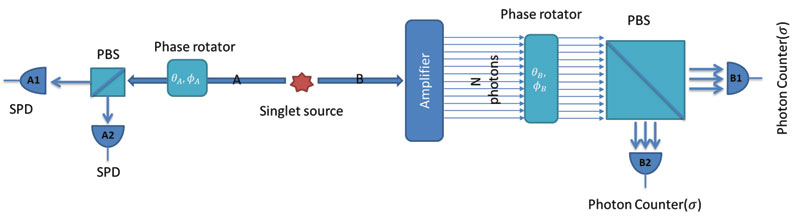
While not disputing this explanation, Christoph Simon and a colleague at the University of Calgary, and another at the University of Geneva, have asked what would happen if decoherence did not affect the cat. In a thought experiment backed up by computer simulations, the physicists consider pairs of photons (A and B) generated from the same source with equal and opposite polarizations, travelling in opposite directions. For each pair, photon A is sent directly to a detector, but photon B is duplicated many times by an amplifier to make a macroscopic light beam that stands in for the cat. The polarizations of the photons in this light beam are then measured.

Two types of amplifier

They consider two different types of amplifier. The first measures the state of photon B, which has the effect of destroying the entanglement with A, before producing more photons with whatever polarization it measures photon B to have. This is rather like the purely classical process of observing the Geiger counter to see whether it has detected any radiation, and then using the information to decide whether or not to kill the cat. The second amplifier copies photon B without measuring its state, thus preserving the entanglement with A.

The researchers ask how the measured polarizations of the photons in the light beam will differ depending on which amplifier is used. They find that, if perfect resolution can be achieved, the results look quite different. However, with currently available experimental techniques, the differences cannot be seen. "If you have a big system and you want to see quantum features like entanglement in it, you have to make sure that your precision is extremely good," explains Simon. "You have to be able to distinguish a million photons from a million plus one photons, and there is no current technology that would allow you to do that."

Quantum-information theorist Renato Renner of ETH Zurich is impressed: "Even if there was no decoherence, this paper would explain why we do not see quantum effects and why the world appears classical to us, which is a very fundamental question of course." But, he cautions, "The paper raises a very fundamental question and gives us an answer in an interesting special case, but whether it is general remains to be seen."

مکانیک کوانتومی و نسبیت عام در یک تقاطع

متحد نمودن مکانیک کوانتومی و نسبیت عام یکی از مهیج ترین سوالات باز در فیزیک نوین است. نسبیت عام، نظریه یکپارچه گرانش، پیش بینی هایی در مورد فضا و زمان دارد که در مقیاس های کیهانی ستارگان و کهکشان ها آشکار می گردد. از سویی دیگر، اثرات کوانتومی ضعیف هستند و نوعا در مقیاس های کوچک مثلا اتم ها و ذرات منفرد مشاهده می‌شوند. به همین دلیل است که آزمایش اثر متقابل مکانیک کوانتومی و نسبیت عام دشوار است. اکنون، فیزیکدانان نظری با هدایت چاسلاو بروکنر(Chaslav Brukner) در دانشگاه وین آزمایش بدیعی را پیشنهاد نموده اند که می‌تواند عرصه مشترک این دو نظریه را بیازماید. تمرکز این کار اندازه گیری ماهیت نسبیت عامی زمان در مقیاس کوانتومی است.

یکی از پیش بینی های نسبیت عام این است که گرانش درگذر زمان موثر است. نظریه پیش بینی می کند که ساعت هایی که در نزدیکی یک جسم جرم کار میکنند از ساعتهایی که از آن دورترند کندتر تیک تاک می‌کنند. این اثر منجر به «باطل نمای دوقلوها» می شود: اگر یکی از قل ها در ارتفاع زندگی کند، سریع تر از دوقلوی دیگر که روی زمین می ماند، پیر می شود. این اثر در آزمایش های کلاسیکی به خوبی تایید شده است، اما با مکانیک کوانتومی هنوز نه، و این هدف آزمایش پیشنهادی جدید است.

گروه پژوهشگران وین می خواهند این احتمال غیرعادی را بررسی کنند که یک ذره کوانتومی می تواند ویژگی کلاسیکی داشتن مکان خوش تعریف را از دست بدهد، یا آن طور که با عبارت مکانیک کوانتومی گفته می شود: در یک «برهم نهی » باشد. این امر منجر به اثرات «موجی» (که «تداخل» نامیده می شوند) با یک ذره می گردد. هرچند، اگر مکان ذره اندازه گیری شود یا حتی اگر اصولا قابل مشخص شدن باشد، این اثر از دست می رود. به عبارت دیگر، امکان ندارد که تداخل را مشاهده کنیم و به طور همزمان مکان ذره را بدانیم. چنین ارتباطی میان اطلاعات و تداخل، مثالی از مکملیت کوانتومی (Quantum Complementarity) است.

گروه دانشگاه وین ساعتی را در نظر میگیرد (هر ذره ای با درجه آزادی داخلی همانند اسپین) که در برهم نهی دو مکان یکی نزدیک تر و دیگری دورتر از سطح زمین قرار دارد . بر اساس نسبیت عام، ساعت در مکان های متفاوت با آهنگ های مختلفی تیک می زند؛ همان طور که دو قلوها به شکلی متفاوت پیر می شوند. اما از آن جا که زمان اندازه گیری شده توسط یک ساعت معلوم می کند که ساعت در کجا قرار دارد، تداخل و سرشت موجی ساعت از دست می رود. ماگدالنا زیچ(Magdanela Zych) نویسنده اصلی مقاله و عضو برنامه دکترای وین CoQus می گوید: «این باطل نمای دوقلوها برای یک فرزند کوانتومی است و حل آن نیاز به نسبیت عام و مکانیک کوانتومی دارد! چنین برهمکنشی میان این دو نظریه هرگز قبلا آزموده نشده است.» از این رو است که این آزمایش به ما امکان می دهد تا سرشت زمان را از دید نسبیت عام با مکانیک کوانتومی بیازماییم!

One Clock With Two Times: When Quantum Mechanics Meets General Relativity

The unification of quantum mechanics and Einstein's general relativity is one of the most exciting and still open questions in modern physics. General relativity, the joint theory of gravity, space and time gives predictions that become clearly evident on a cosmic scale of stars and galaxies. Quantum effects, on the other hand, are fragile and are typically observed on small scales, e.g. when considering single particles and atoms. That is why it is very hard to test the interplay between quantum mechanics and general relativity.

Now theoretical physicists led by Časlav Brukner at the University of Vienna propose a novel experiment which can probe the overlap of the two theories. The focus of the work is to measure the general relativistic notion of time on a quantum scale.

Time in general relativity

One of the counterintuitive predictions of Einstein's general relativity is that gravity distorts the flow of time. The theory predicts that clocks tick slower near a massive body and tick faster the further they are away from the mass. This effect results in a so-called "twin paradox": if one twin moves out to live at a higher altitude, he will age faster than the other twin who remains on the ground. This effect has been precisely verified in classical experiments, but not in conjunction with quantum effects, which is the aim of the newly proposed experiment.

Quantum interference and complementarity

The Viennese group of researchers wants to exploit the extraordinary possibility that a single quantum particle can lose the classical property of having a well-defined position, or as phrased in quantum mechanical terms: it can be in a "superposition." This allows for wave-like effects, called interference, with a single particle. However, if the position of the particle is measured, or even if it can in principle be known, this effect is lost. In other words, it is not possible to observe interference and simultaneously know the position of the particle. Such a connection between information and interference is an example of quantum complementarity -- a principle proposed by Niels Bohr. The experimental proposal now published in "Nature Communications" combines this principle with the "twin paradox" of general relativity.

Einstein's "twin paradox" for a quantum "only child"

The team at the University of Vienna considers a single clock (any particle with evolving internal degrees of freedom such as spin) which is brought in a superposition of two locations -- one closer and one further away from the surface of Earth. According to general relativity, the clock ticks at different rates in the two locations, in the same way as the two twins would age differently. But since the time measured by the clock reveals the information on where the clock was located, the interference and the wave-nature of the clock is lost. "It is the twin paradox for a quantum 'only child', and it requires general relativity as well as quantum mechanics. Such an interplay between the two theories has never been probed in experiments yet" -- says Magdalena Zych, the lead author of the paper and member of the Vienna Doctoral Program CoQuS. It is therefore the first proposal for an experiment that allows testing the genuine general relativistic notion of time in conjunction with quantum complementarity.

لینک منبع

Falling atoms measure the Earth's rotation

A new type of gyroscope based on interfering atoms has been developed that can determine the latitude where the instrument is located – and also measure true north and the Earth's rate of rotation. The device has been developed by physicists in the US, who hope to scale it up so that it can test Einstein's general theory of relativity. They also want to miniaturize the technology so it can be used in portable navigation systems.

The gyroscope has been built by a team led by Mark Kasevich at Stanford University in California. It works by firing a cloud of atoms upwards at a slight angle to the vertical so that the atoms follow a parabolic trajectory as gravity pulls them down. A series of laser pulses is then fired at the cloud while in flight, which separates the atoms into a number of different bunches that follow different trajectories. The pulses are carefully selected so that two of these trajectories cross paths at a detector. Given that the atoms are governed by quantum mechanics, they behave like waves with a relative shift in phase between the atoms taking different paths. The resulting interference at the detector is dictated in part by the relative orientations of the laser pulses, gravity and the rotation of the Earth.

Where in the world?

The device is set up so that the laser pulses are fired horizontally – that is perpendicular to gravity – and was tested by rotating the orientation of the laser pulses about the gravitational axis. The resulting interference pattern is a near-perfect sinusoid with an amplitude that depends on the Earth's rate of rotation and the latitude of the location where the measurement is made. Because we know how fast the Earth is spinning, the latitude can therefore be easily determined. The direction of true north and south are given by the direction of the laser pulses when the amplitude of the sinusoid is zero.

As the gyroscope is also sensitive to its own motion relative to its surroundings, Kasevich and colleagues have shown that it could be used for "inertial navigation", whereby the location of a vehicle (or person) is calculated by knowing its starting point and all the movements that it has made. The team demonstrated this by rotating the gyroscope about the axis perpendicular to both gravity and the laser pulses, which led to a steady change in the interference as the angular velocity was increased from zero to about 1.6 revolutions per second.

Testing Einstein

Although this is not the first atom gyroscope to be made, the team says that its dynamic range is 1000 times greater than previous versions. Another important difference between this and other atom gyroscopes is that the interference pattern does not depend on the velocity of the atoms, which means that noise and uncertainty in those measurements do not degrade its performance.

Kasevich believes that the technique could also be adapted to measure – for the first time in a laboratory setting – the tiny corrections to the trajectory of any object resulting from Einstein's general theory of relativity. "As our atom-interferometry technique essentially determines trajectory, ultimately, the interferometer phase shift should reflect those trajectory corrections related to general relativity," he says. Kasevich and colleagues now plan to refine their technique so that it is sensitive enough to measure this effect, known as "geodetic precession", and implement it in a 10 m "drop tower" that is being built at Stanford.

Although the "geodetic precession" of general relativity has previously been measured using instruments on board satellites, Holger Müller of the University of California, Berkeley thinks that "confirmation by atom interferometers would be received with great interest". However, he warns that the implementing the upgrade experiment in the 10 m tower will be "a challenge".  Kasevich also has plans to implement the technology in small devices that could be used in navigation systems – and indeed is already associated with a small company called AOsense, based in Sunnyvale, California, that plans to do just that. Kasevich told physicsworld.com that a device with a volume of just 1 cm3 could be useful for terrestrial navigation applications. The current experiment is contained within a cubic magnetic shield with sides that measure about 50 cm.  

هال کوانتومی به تعریف جدید کیلوگرم کمک می‌کند

در حال حاضر، «کیلوگرم» توسط توده‌ای از فلز در پاریس تعریف شده است. اما اکنون پژوهشگران در انگلستان، فرانسه و سوئد، روش جدیدی را برای تعریف استاندارد بر مبنای ثابت‌های بنیادی تایید کرده‌اند. به‌ویژه، آن ها نشان داده‌اند که مقاومت‌ هال کوانتومی اندازه‌گیری شده در شبه‌رساناها با مقدار بدست آمده برای گرافین با دقت نسبی در حدود 8.6´10-11 با هم همخوانی دارند. این مقاومت با نسبت ثابت پلانک(h) به مربع بار الکترون(e) داده می‌شود و می‌تواند برای تعریف کیلوگرم به کار رود.

استاندارد کیلوگرم از پلاتینیوم و ایریدیوم ساخته‌شده و در اداره بین‌المللی اوزان و مقادیر(International Bureau of weights and Measure,BIMP) در پاریس نگاه داشته می‌شود. در طی 60 سال، مقایسه‌های زیادی بین این نمونه و معادل‌های یکسان آن، نشان‌داده که جرم آن در حال تغییر است. در نتیجه، دانشمندان به دنبال راهی جدید برای تعریف کیلوگرم با استفاده از ثابت‌های بنیادی هستند. محبوب‌ترین راه استفاده از «توازن وات» است که وزن یک جسم را با نیرویی الکترومغناطیسی مقایسه می‌کند. چنین توازنی بر این اساس است که نسبت h/e2 مستقل از جنس ماده به کاررفته در آزمایش است. توزان وات در کنار مقاومت هال کوانتومی، کیلوگرم را بر حسب h تعریف می‌کند.

انحراف الکترون‌ها

اثر هال(Hall effect)، ایجاد یک ولتاژ در دو لبه‌ی یک صفحه فلزی در هنگامی است که جریان الکتریکی در امتداد طولش برقرار میشود. این اثر نیازمند یک میدان مغناطیسی عمود به صفحه است. میدان مغناطیسی باعث می‌شود الکترون‌های متحرک به سمت یکی از لبه ها منحرف شوند. معمولا، تمایل الکترون به تجمع در این لبه بستگی به عواملی همچون چگالی الکترون در ماده و ضخامت صفحه دارد. اثر هال کوانتومی در صفحاتی رخ می‌دهد که آن قدر نازکند که برای الکترون‌ها دوبعدی به نظر می‌رسند. اگر چنین صفحه‌ای در معرض دمای بسیار کم و میدان مغناطیسی زیاد قرار گیرد، ولتاژ هال در مقادیری گسسته (کوانتیزه) می‌شود که به نظر مستقل از مواد استفاده شده است. هنگامی که ولتاژ هال با جریان گذرنده از میان رسانا مقایسه شود، مقاومت هال h/Ne2 می‌شود که N یک عددصحیح است.

به گفته جی.تی جانسن (J.T Janssen)، دانشمند آزمایشگاه فیزیکی ملی (National Physical Laboratory,NPL) انگلستان، هنوز نظریه‌ای برای توضیح کامل این موضوع وجود ندارد؛ هرچند، همه آزمایش‌ها تاکنون بر این مقدار جهانی برای مقاومت هال کوانتومی توافق دارند.

مقایسه مستقیم

اکنون جانسن و همکارانش در NPL، دانشگاه چالمرز(Chalmers University) و دانشگاه لینکوپینک(Linkoping University) در سوئد، دانشگاه لنکستر(University Lancaster) در انگلستان و BIMP مقایسه مستقیمی از اثر هال برای دو ماده بسیار متفاوت انجام داده‌اند. یکی از این مواد شبه‌رسانایی از جنس گالیوم-آرسناید داپ شده است که صفحه‌ای دوبعدی از الکترون‌ها تولید می‌کند و دیگری گرافین، تک لایه‌ای از اتم های کربن است. آزمایش‌های قبلی تایید کرده‌اند که دو شبه‌رسانا اثر هال کوانتومی یکسانی دارند، اما این کار جدید اولین بار است که دو ماده با ویژگی‌های الکترونیکی بسیار متفاوت را مقایسه می‌کند. در حالی که الکترون‌های رسانش در گالیوم آرسناید شبیه ذرات جرم‌دار رفتار می‌کنند، الکترون‌ها در گرافین شبیه فوتون‌های بدون جرم هستند.

پژوهشگران از چینش استانداردی استفاده می کنند که مقاومت هال دو نمونه در یکی دو درجه بالای صفر مطلق را مقایسه می کند. جریان های یکسانی از میان نمونه ها عبور کرده تا ولتاژهای هال تولید کنند. برای دیدن اختلاف بین این ولتاژها، آشکارساز جریان بسیار حساسی در مداری که لبه های دو نمونه به هم وصل می کند، قرار میدهند. هیچ جریانی اندازه گیری نشد یعنی ولتاژ نمونه ها یکسان بودند.

چالش‌های مانده

جانسن می گوید:«این دقیق ترین اندازه گیری استقلال اثر هال کوانتومی از مواد است». هرچند، هنوز چالش های مهمی در مورد طراحی و اجرای توازن وات وجود دارد که باید بر آن ها غلبه کرد. به گفته جانسن، مهمترین نکته چالش مکانیکی اجرای توازن است. برای مثال، نیروی تولیدشده توسط سیم‌پیچ مغناطیسی و سرعت آن باید دقیقا با گرانش همراستا باشد. هرچقدر بخواهیم خطای کلی را کاهش دهیم، این جهت‌بندی نیز سخت‌تر می‌شود.

«بازتعریف معیار کیلوگرم اکنون یکی از موضوعات اساسی در سنجش است»، این را الکساندر پنین(Alexander Penin) از دانشگاه آلبرتا(University of Alberta) در ادمونتون کانادا می‌گوید. هفته آینده، سنجشگران در پاریس، در بیست و چهارمین گردهمایی عمومی در مورد اوزان و مقادیر گرد خواهند آمد تا شایستگی توازن وات و دیگر پیشنهادها را برای بازتعریف گیلوگرم به بحث گذارند.

لینک منبع مقاله

هسته‌‌ی اتمها میتوانند به شکل میله‌ باشند

هسته اتم‌ها همواره به شکل یک کره و یا یک حجم تخم‌مرغی شکل که از پروتون و نوترون تشکیل شده، متصور می‌شوند. در مقاله‌ای که اخیراً(نهم سپتامبر) در مجلهLetters Physical Review چاپ شده‌است، نشان داده‌شده که شکل‌های عجیب‌تری نیز برای هسته وجود دارد. هسنه‌ای که به سرعت می‌چرخد می‌تواند به شکل زنجیره‌ای از چندین دسته کوچک نوترون و پروتون درآید. این شکل‌های عجیب برای هسته می‌تواند نقش مهمی را در فرآیند تشکیل کربن‌12 و اکسیژن‌16(که عناصر اصلی حیات هستند) در داخل ستاره‌ها ایفا کند. شیوه جدیدی که نویسنده این مقاله در محاسبات خود به کار گرفته، حتی راه را برای بررسی شکل‌های پیچیده‌تر از این نیز باز می‌کند.

اهمیت شکل هسته در اینجاست که این خصوصیت تأثیر مهمی در واکنش‌های هسته‌ای، مثل واکنش‌هایی که در ستارگان رخ می‌دهد، دارد. اگر هسته‌ای به اندازه کافی سریع بچرخد(معمولاً این چرخش سریع در اثر برخورد و ترکیب دو هسته کوچکتر رخ می‌دهد) از حالت کره و یا بیضی تغییر شکل می‌دهد. این تغییر شکل که سبب می‌شود هسته حالتی شبیه به یک میله پیدا کند به دلیل تأثیر دو نیروی هسته‌ای قوی(که پروتون‌ها و نوترون‌ها را کنار یکدیگر نگه می‌دارد) و نیروی گریز از مرکز(که آن‌ها را از هم جدا می‌کند) به وجود می‌آید. طبق نتایجی که از آزمایش بدست آمده نسبت عرض به طول برای این هسته‌های میله‌ای شکل سنگین یک به دو و یا یک به سه مشاهده شده است، اما برای هسته‌های سبک مثل کربن و اکسیژن با وجود اینکه نشانه‌هایی مبنی بر وجود هسته‌های تغییر شکل یافته در دست است، اما هیچ نتیجه مستقیمی در آزمایشگاه مشاهده نشده‌است.

در بررسی این تغییرشکل‌ها به جای کار بر روی خود نوکلئون‌ها و نیروی بین آن‌ها، بیشتر محاسبات نظری بر روی ذرات آلفا که نوکلئون‌ها را تشکیل می‌دهند، یعنی پروتون‌ها و نوترون‌ها، صورت گرفته‌است. بررسی ذرات آلفا معمولاً تقریب خوبی است که سبب می‌شود محاسبات کمتر شود. اما با این وجود نظری‌کاران بر این عقیده‌اند که برای در نظر گرفتن نوکلئون‌ها به تنهایی به عنوان ذرات اساسی تشکیل‌دهنده عناصر، به درک عمیق‌تری از ماهیت آن‌ها نیاز داریم.

تاکاتوشی ایچیکاوا ( Takatoshi Ichikawa) از دانشگاه کیوتو و همکارانش از روشی به نام هارتری-فوک(Hartree-Fock) برای بررسی چرخش هسته اتم اکسیژن‌16 استفاده کرده‌اند. این گروه برهم‌کنش بین هسته‌ها را برحسب نیروهای اسکیرم(Skyrme) که تقریبی از همان نیروی هسته‌ای قوی است، توصیف کرده‌اند. علاوه بر این، آن‌ها توزیع سه بعدی چگالی نوکلئون که در واقع نشان‌دهنده شکل هسته است، را نیز پیدا کرده‌اند.

نتیجه مهم دیگری که این گروه در محاسباتشان به آن رسیدند این بود که، در فرکانس‌های چرخشی کمتر از یک و نیم مگاالکترون‌ولت برħ (کهħ به صورت ثابت پلانک تقسیم بر 2π تعریف می‌شود) هسته‌ها به شکل کره باقی می‌مانند، اما در فرکانس‌های حدود 2 مگا الکترون‌ولت برħ به صورت یک آرایش خطی متشکل از چهار ذره آلفا در می‌آیند. اگر هسته با سرعتی بیش از این بچرخد از هم می‌پاشد. این آرایش زنجیره‌ای شکل برای هسته با هر اندازه‌ای، هرگز به عنوان یک حالت پایدار در محاسبات در نظر گرفته نمی‌شود. اما نظری‌کاران عقیده دارند که چنین ساختارهایی می‌تواند وجود داشته‌باشد. محاسبات بیشتر توسط این گروه نشان داد، هنگامی که یک هسته اکسیژن‌16 از برخورد دو هسته برلیوم‌8 ایجاد شود چنین شکلی به وجود می‌آید.

سایت عمر(Sait Umar) از دانشگاه واندربیلت(Vanderbilt) اعتقاد دارد که "این آرایش خطی، اهمیت اساسی در ساختار و دینامیک این سیستم‌ها دارد و می‌تواند در فرآیند تشکیل کربن‌12 و اکسیژن‌16(در اثر برخورد هسته‌های کوچکتر) در درون ستارگان مهم باشد." این گروه امیدوارند در تحقیقات آینده با استفاده از تکنیک‌هایی که به کار می‌گیرند آرایش‌های خطی با طول بیشتر و یا حتی آرایش‌هایی به صورت چند ضلعی مشاهده کنند.

لینک منبع

ثبت رکوردهای زمانی جدید برای ارتباط نوری کوانتومی

مخابرات کوانتومی گزینه ای برای انتقال امن اطلاعات به شمار می آید. مهمترین قسمت مخابرات کوانتومی بین مسافتهای طولانی پدیده ای خاص است که به درهم‌تنیدگی (entanglement) کوانتومی بین دو سیستم اتمی معروف است. درهم‌تنیدگی کوانتومی بین دو سیستم اتمی بسیارضعیف است و تا کنون محققان توانسته اند که این درهم‌تنیدگی را تا کسری از ثانیه حفظ کنند. اما به تازگی در آزمایشهایی که در انیستیتو نیلز بور (Niels Bohr Institute) انجام شده است˛ محققان موفق شده اند رکورد جدیدی را به ثبت برسانند و درهم‌تنیدگی کوانتومی را تا بیش از یک ساعت حفظ کرده اند. نتایج این تحقیقات در مجله علمی(Physical Review Letters) به چاپ رسیده است.

درهم‌تنیدگی کوانتومی پدیده ای بسیار عجیب در کوانتوم مکانیک به شکار می آید به گونه ای که آلبرت انیشتین آن را "spukhafte Fernwirkung " (به معنی پدیده ای شبحوار) نامیده است. برای دو سیستم کاملا مستقل که به طور کوانتومی درهمتنیده اند یک نوع ارتباط شبح وار وجود دارد حتی در شرایطی که این دو سیستم در فاصله بسیار دوری از هم قرار گرفته باشند و هیچ نوع ارتباط مستقیمی بین آنها بر قرار نباشد. در این صورت می گویند که این دو سیستم در حالت های کوانتومی درهم‌تنیده قرار گرفته اند و این به معنی آن است که اگر اطلاعات یک سیستم را بخوانیم سیتم دیگر معین می شود. در آزمایش هایی که در انیستیتو نیلز بور انجام شده اسپین اتمهای دو ابر گازی سزیم درهم‌تنیده‌ی کوانتومی هستند.

کنترل فرآیند خودبه خود

برای ایجاد حالت درهم‌تنیده برای دو ابر اتمی˛ محققان از نور استفاده می کنند. نور از فوتون ها تشکیل شده است که کوچکترین اجزای (کوانتای) یک پالس نور هستند. وقتی شما یک پرتو لیزر را بر اتم ها می تابانید، فوتون ها جذب شده و طی فرآیند کاملا خودانگیز بازتاب می شوند. این فرآیند خود به خودی یک مانع برای این آزمایش به حساب می آید چون قابل کنترل نیست. اوگن پولزیک( Eugene Polzik)پروفسور و مدیر بنیاد ملی تحقیقات کوانتاپ (Quantop) در انیستیتو نیلز بور واقع در دانشگاه کوپنهاگ توضیح می دهد: "در حال حاضر ما این فرآیند خود به خود را کنترل کرده و از آن استفاده می کنیم."

حفظ درهم‌تنیدگی

در آزمایشگاه کوانتاپ گروه تحقیقاتی به کمک دو ابر از اتم های سزیم در دو محفظه شیشه ای جدا آزمایش هایی را در مورد درهم‌تنیدگی کوانتومی انجام داده اند. با تاباندن نور لیزر بر هر دو ابر اتمی اسپین های اتم ها را کنترل کرده دو ابر اتمی درهم‌تنیده می شوند که بدان معنی است که ویژگی های آنها به هم وابسته می شوند. اما اتم ها، فوتون ها را در تمام جهت ها ساطع می کنند و این منجر به از بین رفتن درهم‌تنیدگی می شود. این اتفاق معمولا در کسری از ثانیه رخ می دهد.

هانا کراتر (Hanna Krauter) یکی از محققان کوانتاپ در انیستیتو نیلز بور توضیح می دهد: "کاری که ما انجام داده ایم گسترش تکنیکی است که به کمک آن بتوانیم به همان سرعت که درهم‌تنیدگی از بین می رود دوباره آن را تجدید کنیم. با این روش می توان درهم‌تنیدگی کوانتومی بین دو ابر اتمی را تا زمانی که آزمایش به طول می انجامد حفظ کرد یعنی تا بیش از یک ساعت."

از نظریه تا واقعیت

تحقیقاتی با همکاری مرکز اپتیک کوانتومی انیستیتو ماکس پلانک در آلمان انجام شده است که بر روی مدل های نظری کار می کند. فیزیکدانان نظری در حدود پنج سال است که تکنیک های مشابه ای را پیشنهاد کرده اند اما به تازگی گروه NBI موفق شدند به صورت تجربی آزمایش هایی بر مبنای این روش را عملی کنند. پروفسور ایگن پولزیک ( Eugene Polzik) اینگونه توضیح می دهد: " این پیشرفت پتانسیل و نتایج مفیدی را به دنبال دارد از طرفی یک رویکرد جدید برای مخابرات کوانتومی به شمار می آید. این موضوع قدمی است به سمت عملی ساختن مخابرات کوانتومی نه تنها در آزمایشگاه بلکه در دنیای واقعی ارتباطات. به علاوه به معنای پیشرفتی در اندازه گیری میدان های مغناطیسی ناچیز به وسیله مغناطیس سنج های اتمی می باشد. مغناطیس سنج حساس برای اندازه گیری فعالیت الکتریکی در مغز و قلب انسان استفاده می شود."

لینک منبع

مفاهیم دزیمتری

مقدمه:

کمیتهای مورد استفاده برای اندازه گیری تابشهای یونیزان اغلب بر مبنای آثار بیولوژیکی ، فیزیکی و یا شیمیایی پرتو قرار دارند . این آثار تنها در اثر انتقال انرژی از پرتو به محیط تحت تابش و چگونگی توزیع آن در ماده بستگی دارد . به عبارت دیگر آثار حاصل از انتقال مقدار معینی انرژی در یک جرم کوچک و یا توزیع همگن آن در یک جرم بزرگ ، یکسان نمی باشد . بنابراین یک کمیت دوزیمتری برای کاربردهای مختلف می بایستی به صورت انرژی منتقل شده در واحد جرم ، از ماده تعریف شود . البته چنین کمیتی به صورت دقیقتر و با نام « دوز جذب » معرفی می شود .
کمیت های دوزیمتری از تاثیر برخی ویژگیهای میدان تابش بر محیط مادی به دست می آیند ، بنابراین قبل از مطالعه این کمیت ها می بایستی ویژگی های میدان تابش و ضرائب برخورد آنها با محیطهای مادی بررسی گردد .

کمیتهای میدان تابش:

هر منبع پرتو یونیزان مانند لامپ پرتو x ، شتاب دهنده الکترون و یا مواد پرتوزا در اطراف خود یک میدان تابش ایجاد می نمایند . اطلاع بیشتر از چگونگی توزیع ذرات یونیزان از نظر انرژی ، امتداد و نیز تغییرات آن نسبت به زمان ، تعریف دقیقتری از این میدان تابش را در اختیار می گذارد .
کمیته بین المللی واحدهای پرتو و اندازه گیری International Commision on Radiological Units and measurements ( ICRU 1980 ) در داخل میدان تابش ، کمیت شار ذرات را با رابطه زیر تعریف نموده است:

dN تعداد ذرات تابشی برروی کره ای با سطح مقطع dA می باشد. با استفاده از کره ای با سطح مقطع dA به جای سطح مقطع به تنهایی ، نیازی به تعیین جهت برای سطح مقطع نبوده و این تعریف شار می تواند برای ذرات تابشی در یک و یا چند امتداد به کار رود . باید دقت شود که تعریف شار بر حسب جزء کره به صورت فوق ، با مقادیر نظیری که بر حسب جزء سطح با جهت مشخصی تعریف شده و شار صفحه ای ( Plannar fluence ) نامیده می شود ، اشتباه نشود . در تعریف اخیر ذرات تابشی به یک صفحه مثبت و برای طرف دیگر آن منفی خواهد بود . به عبارت دیگر شار صفحه ای برای تابشهای ازهمه سو یکسان ( isotropic) صفر است) 1979Carlsson (.
واحد SI برای شار ذرات-2 m می باشد . آهنگ شار φ کمیت دیگری است که با رابطه زیر تعریف می شود :

Φd تغییرات شار در فاصله زمانی dt است . واحد SI برای آهنگ شارs-1 m -2 می باشد . معمولاً از علامت یک کمیت برای نشان دادن آهنگ تغیرات آن استفاده نمی شود ، ولی اغلب ، آهنگ شار را ویژگی اصلی تر میدان تابش نسبت به شار ذرات می دانند . این موضوع برای آهنگ شار انرژی نیز صدق می کند .
چنانچه انرژی حمل شده توسط ذرات ، به جای خود آنها مورد توجه قرار گیرد ، در این صورت شار انرژی با رابطه زیر تعریف میشود :

dE انرژی تابشی برروی کره ای با سطح مقطع dA بوده و برای یک تابش تک انرژی برابر با حاصلضرب تعداد ذرات تابشی dN ، در انرژی حمل شده توسط هر یک می باشد . واحد ، SI برای شار انرژی Jm-2 است . در واقع انرژی تابشی E، انرژی ذرات بودن در نظر گرفتن انرژی در حال سکون آنهاست . آهنگ شار انرژی نیز با رابطه زیر تعریف می شود :

ψd تغییرات شار انرژی در فاصله زمانی dt است . واحد SI برای آهنگ شار انرژی Wm-2 است . در ICRU 1980 چندین کمیت دیگر میدان تابش تعریف شده است ، ولی با استفاده از کمیت های فوق الذکر می توان کمیتهای دوزیمتری را به دست آورد .
توزیع کمیتهای میدان
ویژگیهای یک میدان تابش با مشخص شدن توزیع شار ، یا شار انرژی ، بر حسب امتداد و انرژی کاملتر بیان می شود . با معلوم بودن موقعیت منبع اولیه تابش و مشخص نمودن امتداد تابشهای ثانویه ناشی از برخورد پرتو اولیه با ماده که با توجه به جزئیات نظری فرآیند برخورد به دست می آید ، می توان اطلاعات کافی از توزیع این کمیت ها در امتدادهای مختلف را به دست آورد .
با استفاده از یک آشکار ساز موازی شده ( collimated detector ) که قادر است صرفاً پرتو را از زاویه فضایی محدودی دریافت کند ، می توان چگونگی توزیع پرتو در فضا ( توزیع ذرات در امتدادهای مختلف ) را نیز اندازه گیری نمود. برای نشان دادن توزیع این کمیت ها در امتدادهای مختلف اغلب از سیستم مختصات کروی استفاده می شود .
توزیع شار یا شار انرژی بر حسب انرژی بسیار با اهمیت تر است . پاسخ آشکارساز به شار ذرات معین ، اغلب تابعی از توزیع انرژی آنها می باشد . بنابراین برای تعیین توزیع شار بر حسب انرژی می بایستی تلاش زیادی از طریق اندازه گیری و یا محاسبه انجام گیرد . معمولاً از توزیع دیفرانسیلی شار بر حسب انرژی به نام EФ ، به طوری که EdEФ شار ذرات با انرژی های بین E و E+dE است، استفاده می شود . در این صورت شار کل از رابطه زیر به دست می آید :

این مقدار به سطح زیر منحنی مربوط می شود .

انرژی متوسط یا موثر

انرژی متوسط E ذرات می تواند با استفاده از توزیع دیفراسیلی شار ذرات توسط رابطه زیر محاسبه شود :

اگرهر ذره مشارکت کننده در شار کل ، در انرژی خود ضرب شود ، توزیع دیفرانسیلی شار انرژی بر حسب انرژی Eψ به دست می آید .
همچنین انرژی متوسط ذرات با استفاده از توزیع دیفرانسیلی شار انرژی می تواند از رابطه زیر به دست می آید :

از آنجا که معمولاً روابط فوق منجر به مقادیر متفاوتی برای E می شوند. به هنگام اظهار نظر درباره انرژی متوسط هر تابشی باید تصریح شود که از توزیع دیفرانسیلی کدام کمیت برای محاسبه آن استفاده شده است.
موضوع می تواند از این هم مشکل تر باشد . مثلاً برای فوتونها کمیتهای دیگری مانند دوز جذب در مواد مختلف، یا اکسپوژر معرفی می شود که می تواند اندازه گیری شود . این کمیت ها از حاصلضرب شار انرژی در برخی ضرائب برخورد ، که خود تابع انرژی می باشند به دست می آید . با استفاده از این کمیت ها در صورت به کارگیری معادلات فوق برای انرژی متوسط مقادیر متفاوتی به دست می آید . بنابراین هنگام اطلاق انرژی متوسط و یا موثر به یک پرتو می بایستی دقت نمود و منشأ مقدار متوسط و یا دلایلی که سبب موثر بودن می گردد ، بیان می شود.
در شکل 1-2 توزیع دیفرانسیلی شار ، شار انرژی و اکسپوژر بر حسب انرژی را برای یک باریکه فوتونی معینی نظیر باریکه معمول پرتو تشخیصی که در KV70 با mm2 صافی آلومینیوم تولید شده ، نشان داده شده است . ملاحظه می شود که توزیعهای بیناب گونه این سه کمیت تفاوت قابل توجهی دارند و منجر به مقادیر متوسط متفاوتی برای انرژی فوتونها می شود . به علاوه ضخامت یک جاذب که باریکه فوتون را به نصف مقدار اولیه کاهش دهد ، ضخامت نیمه جذب ( HVT ) یا لایه نیمه جذب ( HVL ) ، نیز به کمیتی بستگی دارد که آشکارساز اندازه گیری می نماید .
شکل 3-6 مثال دیگری است که در آن تفاوت قابل توجهی در توزیع دیفرانسیلی شار و شار انرژی ذرات نوترون Cf 252 را بر حسب انرژی نشان می دهد .
اگر پاسخ آشکارساز در بازه انرژی های مورد اندازه گیری برای کمیت خاصی تغییر نکرده و یا تغییرات ناچیزی داشته باشد ، مشکلات اندازه گیری پرتو به صورت قابل توجهی ساده می شود و اطلاع از جزئیات مربوط به توزیع طیف پرتو ضروری نمی باشد .
از آنجا که در بحث دوزیمتری اصولاً موضوع اندازه گیری مقدار انرژی منتقل شده از پرتو به محیط بررسی می گردد ، آشنایی کامل با آثار متقابل پرتو با ماده ، ضروری است.

به نقل از سایت جامع علوم رادیولوژی ایران

ابعاد فراکتالی اثر کازیمیر را تغییر می دهد

در اثر کازمیر شاهد نیروی اسرارآمیزی هستیم که دو صفحه موازی را که فاصله ناچیزی از هم دارند به طرف هم می راند. این اثر معلول خلق و فنای ذرات در ابعاد پلانک می باشد، اگر فاصله بین صفحات از طول موج دوبروی این ذرات کمتر باشد ذرات بین صفحات نمی گنجند و ناپدید می شوند. سپس فزونی ذرات مجازی خارج نسبت به داخل باعث می شود صفحات به سمت هم رانده شوند.فیزیکدانان نظری به این نتیجه رسیدند که اگر اندازه گیری های اثر کازیمیر با حساسیت کافی انجام شود، آثار ابعاد فرکتالی قابل مشاهده خواهد بود.

در دهه1920 تئودورکالوتزا  واسکارکلاین ایده ای مطرح کردند که نظریه الکترومغناطیس ماکسول را با نظریه نسبیت اینشتین وحدت می داد، این کار به ‌خودی خود کار مهمی است اما یک اشکال کوچک دارد، در مدل کالوتزا کلاین جهان 5 بعد دارد؛ از این پس فیزیکدان های بسیاری با روش های مشابه سعی کردند که چرا ابعاد اضافی نظریات آنها دیده نمی‌شوند. کالوتزا و کلاین عقب‌نشینی نکردند و این اندیشه را پیش آوردند که بعد فضایی پنجم تنها در مقیاس پلانک از مرتبه ده به توان منهای سی و پنج وجود دارد. درواقع آنها فرض کردند که این بعد روی خودش پیچیده است طوری که اگر می‌شد این بعد فضایی در این مقیاس را پیمود هر مسافری به نقطه‌ی آغاز سفرش بازمی‌گشت.

ایده ای که اخیرا مطرح شده است این است که مثل دیگر اشیائ کوانتمی در این مقیاس، بعد اضافی ممکن است در حال خلق و فنا باشد. اگر این اتفاق بیفتد بایستی بعد پنجم فضا به صورت ناقص وجود داشته باشد. فیزیک دانان این ابعاد را به عنوان ابعاد فرکتالی که با اعداد غیر صحیح مشخص می شوند توصیف می کنند چون این ابعاد این قدر کوچک هستند کار زیادی برای اثبات یا رد اندیشه‌ی ابعاد فراکتالی نمی‌توان کرد. دست کم تا کنون فیزیکدان‌ها این طور فکر می‌کردند.

امروز هانگبو چِنگ  از دانشگاه علم و فناوری چین شرقی در شانگهایمی‌گوید که شاید بتوان تفاوت وجود و عدم وجود ابعاد فراکتالی را مشاهده کرد. نتایج محاسبات چنگ نشان می دهد اگر فاصله صفحات در اندازه ی بعد اضافی باشد، ابعاد اضافی بر نیروی کازیمیر تاثیر خواهند داشت و اگر تعداد ابعاد عدد صحیح باشد نیروی کازیمیر قوی تر از حالتی خواهد بود که بعد فراکتالی وجود داشته باشد اما میزان دقیق تفاوت دو حالت به مرتبه‌ی فراکتال بستگی دارد.

البته سوالی که مطرح می شود این است که آیا می توان این تفاوت را بدون ابهام اندازه گرفت. اگر امکانش وجود داشته باشد ما می توانیم یک آزمایش جالب در مورد ماهیت فضا- زمان انجام دهیم.

لینک منبع

ما با تمامی کائنات یگانه ایم...

لي اسمولين يك راهب شرقي نيست. اما او و همكارانش در دانشگاه واترلوی کانادا به تازگي و هنگام تلاش براي وحدت‌بخشيدن به دو نظريه بزرگ فيزيك يعني نظريه كوانتوم و نسبيت عام اينشتين به نتيجه شگفت‌انگيزي مشابه آنچه در تعاليم كهن شرق بيان شده است دست يافته‌اند: اينكه ماده اساساً چيزي جز بافته‌اي از تار و پود فضا-زمان نيست و بنابراين همه‌چيز در جهان - از درختان و انسان گرفته تا كهكشان‌ها - ماهيتي واحد و يگانه دارند.

اين كشف، دستاوردي خارق‌العاده محسوب مي‌شود زيرا نه‌تنها از ماهيت فضا و ماده پرده‌برداري مي‌كند بلكه ممكن است بشر را در درك منشأ قوانين بنيادين جهان نيز ياري بخشد.

اين دستاورد كه درك بهتر كائنات را نويد مي‌دهد، برمبناي نظريه‌اي به نام "نظريه گرانش كوانتومي حلقوي" حاصل شده است. اين نظريه سعي دارد تا با تلفيق نسبيت عام و مكانيك كوانتومي، به نظريه‌اي واحد و سازگار در فيزيك دست يابد (يعني همان هدفي كه نظريه ريسمان‌ها از مسيري ديگر درتلاش براي رسيدن به آن است).

داستان شكل‌گيري نظريه گرانش كوانتومي حلقوي به دهه 1980 بازمي‌گردد. در آن زمان، آبهاي آشتكار  كه اكنون در دانشگاه ايالتي پنسيلوانيا است معادلات نسبيت عام اينشتين را در يك چارچوب كوانتومي بازنويسي كرد. بعدها لی اسمولين و فيزيكداني به نام كارلو روولي از دانشگاه مديترانه‌اي مارسي در فرانسه، ايده آشتكار را بسط داده و كشف كردند كه در تصويري كه اين چارچوب نظري جديد ارائه مي‌دهد، فضا برخلاف تصور، پيوسته نبوده بلكه از بخش‌هايي مجزا به ابعاد 10 به توان منهاي 35 متر تشكيل شده است. بدين ترتيب براساس نظريه گرانش كوانتومي حلقوي، فضا-زمان درواقع شبكه‌اي است از پيوندهايي كه اين كوانتوم‌هاي فضا را به همديگر متصل مي‌كنند.

از همان آغاز، فيزيكدان‌ها دريافته بودند كه اين پيوندهای فضا-زمانی مي‌توانند دور همديگر پيچيده و ساختارهايي بافته مانند را تشكيل دهند. اما تا پيش از اين، كنجكاوي فيزيكدان‌ها براي درك مفهوم اين بافته‌ها راه به جايي نبرده بود.

اما سرانجام چندی پیش لی اسمولین، فیزیکدان برجسته دانشگاه واترلوی کانادا به همراه دو فیزیکدان دیگر به نام های ساندانس بيلسون تامپسون و فوتيني ماركوپولو توانستند پاسخ این معما را بیابند. نتیجه تحقیقات آنها نشان می دهد که بافته های فضا-زمانی درواقع می توانند ماهیت تمامی ذرات بنیادین جهان را تشکیل دهند. به عبارتی این بافته‌هاي فضا-زمانی می توانند منشأ ماده و انرژي در کل كائنات باشند.

برهمين اساس اسمولين، ماركوپولو و بيلسون تامپسون حتی موفق شدند وجود سبك‌ترين خانواده ذرات در مدل استاندارد ذرات بنيادي - يعني الكترون، كوارك‌هاي "بالا" و "پايين"، نوترينوي الكترون و پاد ذره آنها - را براساس بافته‌هاي فضا-زماني استخراج نمايند و این دستاورد، موفقیت بزرگی برای نظریه گرانش کوانتومی حلقوی محسوب می شود.

بدين ترتيب، نظريه گرانش كوانتومي حلقوي، حس غريبي را در مورد جايگاه ما در جهان برايمان به ارمغان مي‌آورد. اگر الكترون‌ها و كوارك‌ها - و نتيجتاً اتم‌ها، درختان، انسان و كهكشان‌ها - همگي بافته‌هايي از فضا-زمان باشند، پس ما حقيقتاً با كل جهان يگانه‌ايم.

Quantum memory works at room temperature

A quantum memory for photons that works at room temperature has been created by physicists in the UK. The breakthrough could help researchers to develop a quantum repeater device that allow quantum information to be transmitted over long distances.

Quantum bits (or qubits) of information can be transmitted using photons and put to use in a number of applications, including cryptography. These schemes rely on the fact that photons can travel relatively long distances without interacting with their environment. This means that photon qubits are able, for example, to remain in entangled states with other qubits – something that is crucial for many quantum-information schemes.

However, the quantum state of a photon will be gradually changed (or degraded) due to scattering as it travels hundreds of kilometres in a medium such as air or an optical fibre. As a result, researchers are keen on developing quantum repeaters, which take in the degraded signal, store it briefly, and then re-emit a fresh signal. This way, says Ian Walmsley of the University of Oxford, "you can build up entanglement over much longer distances".

Difficult to repair

A quantum memory, which stores and re-emits photons, is the critical component of a quantum repeater. Those made so far in laboratories must be maintained at extremely cold temperatures or under vacuum conditions. They also only tend to work over very narrow wavelength ranges of light and store the qubit for very short periods of time. Walmsley and his colleagues argue that it isn't feasible to use such finicky systems in intercontinental quantum communication – these links will need to cross oceans and other remote areas, where it's difficult to send a repair person to fix a broken cryogenic or vacuum system.

Moreover, they should also absorb a broad range of frequencies of light and store data for periods much longer than the length of a signal pulse. Walmsley calls this combination a "key enabling step for building big networks". The broad range of frequencies means the memory can handle larger volumes of data, while a long storage time makes it easier to accumulate multiple photons with desired quantum states.

Working towards this goal, Walmsley and his team made a cloud of caesium atoms into a quantum memory that operates at an easy-to-achieve temperature of about 62 °C. Unlike previous quantum memories, the photons stored and re-emitted do not have to be tuned to a frequency that caesium electrons would like to absorb. Instead, a pulse from an infrared control laser converts the photon into a "spin wave", encoding it in the spins of the caesium electrons and nuclei.

Paint it black

Walmsley compares the cloud of caesium atoms to a pane of glass – transparent, so it allows the light through. The first laser paints the glass black in a sense, allowing it to absorb all the light that reaches it. However, instead of becoming dissipating as heat and as it would in the darkened glass, the light that passed into the caesium cloud is stored in the spin wave.

Up to 4 µs later, a second laser pulse converts the spin wave back into a photon and makes the caesium transparent to light again. The researchers say that the caesium's 30% efficiency in absorbing and re-emitting photons could increase with more energetic pulses from the control laser, while the storage time could be improved with better shielding from stray magnetic fields, which disturb the spins in the caesium atoms.

Even at 30% efficiency, Ben Buchler of the Australian National University in Canberra calls the device "a big deal" because it absorbs a wide band of photon frequencies. Due to Heisenberg's uncertainty principle, the ultra-short single-photon pulses from today's sources don't have well defined energies, so an immediately useful quantum memory must be able to absorb a wide range of frequencies – which Buchler says high-efficiency memories can't yet do.

Noise not a problem

Background noise, or extra photons generated in the caesium clouds that are unrelated to the signal photons, was a major concern for room-temperature memories. "People thought that if you started using room-temperature gases in storage mode, you'd just have a lot of noise," says Walmsley.

Temperatures near absolute zero suppress these extra photons other memories. But because the control and signal pulses in the Oxford team's set-up are far from caesium's favoured frequencies, the cloud was less susceptible to photon-producing excitations and the noise level remained small even at room temperature.

Hugues de Riedmatten of the Institute of Photonic Sciences in Barcelona, Spain, says that the researchers showed that the remaining noise is fundamental to the system, not caused by their set-up. If improvements cannot further reduce the noise, it will be challenging to maintain the integrity of the signal across a large, complex network, he explains.

Nevertheless, he says, "This approach is potentially very interesting because it may lead to a quantum memory for single photon qubits at room temperature, which would be a great achievement for quantum-information science."

Catching sight of the elusive wavefunction

In the orthodox interpretation of quantum mechanics, the wavefunction contains the maximal knowledge that is available about the state of a system. It determines the probabilities that various results will be obtained when measurements are made on the dynamic variables of the system such as its position or momentum.

However, measuring the wavefunction is no easy task. Thanks to Heisenberg's uncertainty principle, measuring a quantum system without effectively destroying it before the wavefunction is fully known has seemed impossible. Now, by taking a new approach to quantum measurement, Jeff Lundeen and his team from the National Research Council, Canada, have directly measured the wavefunction of identical single photons for the first time.

Making a measurement on just one copy of a system – such as just a single photon – gives us part of the wavefunction. However, the measurement must be repeated many times on an ensemble of identical photons to gain enough information to construct the entire wavefunction. This indirect form of measurement is known as "quantum tomography" and has been used for some time.

Recording ripples

Lundeen likens tomography to mapping the shape of a ripple on the surface of a pond (the wavefunction) by taking snapshots of the shadows of the ripples on the bottom. By combining information from many snapshots, the shape of the ripple can be inferred. In quantum tomography, however, each snapshot measurement is so "strong" that it destroys the ripple and the process must be repeated with identical ripples. Beyond the destructive nature, certain wavefunctions such as atomic or molecular orbitals cannot be determined using tomography.

Instead of focusing on the shadows, the team has worked out a way to directly probe both the real and imaginary parts of the wavefunction of an ensemble of photons. The method relies on the concept of "weak measurement", which has been used recently to measure some quantum systems – and does not destroy the wavefunction.

"Our understanding of the wavefunction is rather abstract and there is no official textbook definition," says Lundeen. "We decided to look into the method of weak measurements irrespective of how wary scientists seem to be of it," he continues, explaining that, although the theory of weak measurements was developed in the 1980s, it was dismissed by many researchers because it produced rather "odd results" that were much larger than expected. The reason for the unexpected results, explains Lundeen, is that a weak measurement gives a complex number – it has a real part and an imaginary part.

Gentle measurements

The theory of weak measurement says that it is possible to "gently" or "weakly" measure a quantum system and to gain some information about one property (say, position) without appreciably disturbing the complementary property (momentum) and therefore the future evolution of the system. Though the information obtained for each measurement is tiny, an average of multiple measurements gives an accurate estimation of the measurement of the property without distorting its final value.

For a generic quantum measurement, the system to be measured is coupled with another state that can be thought of as a "pointer". Information about a measured property is gained by observing a change in the position of the pointer. Generally, this is considered to be a strong measurement because there is little overlap between the original and final positions of the pointer. The detection of a photon in a CCD, for example, would swing the pointer from zero photons to one but result in the destruction of that photon.

In a weak measurement, it is just the opposite, with the final position of the pointer overlapping to a large extent with its initial position. In the measurement carried out by the team, the real part of the wavefunction is given by a small shift of the pointer related to the position of the photon. The imaginary part of the wavefunction is given by a shift of the pointer related to the momentum of the photon. So the position is weakly measured while the momentum is strongly measured.

Four basic steps

The experiment has four basic steps. The first is to generate a stream of single photons with identical wavefunctions. "It is virtually impossible to measure a wavefunction with just one copy of a quantum system (i.e. one photon), this we are almost sure of," explained Lundeen. The team either used an attenuated laser beam or a process known as spontaneous parametric down-conversion (SPDC) to produce its photon stream.

The next step is to set up the weak measurement of the transverse position of the photon by inducing a rotation in each photon's polarization by a very small amount – 10° – using a quartz crystal. Because the polarization change is small, the system is not greatly disturbed.

The photons are then collimated and only photons travelling in a specific direction are detected – a process called post-selection. This is the strong measurement. In the final step, the weak measurement is carried out by measuring the two types of polarization that have actually occurred in the photons post-collimation. This is two-fold because the real part of the measurement is the actual amount of linear rotation that has occurred and the imaginary part is given by the circular rotation or the "ellipticity" of the polarization that has occurred. Together, these values give the weak measurement of the wavefunction. The researchers repeated the measurement for photons with different wavefunctions to confirm the accuracy of the results.

Better than tomography?

Lundeen points out that the signal-to-noise ratio of his team's experiment was rather good. Indeed, he says that an important benefit of the weak measurement technique is that the results are amplified. Therefore it could prove to be especially useful for studying systems that are currently very hard to measure.

While he believes that there will still be a place for quantum tomography, Lundeen feels that certain systems will benefit from the technique used by his team. "While tomography is a global measurement that is more a reconstruction of the wave function, our measurement is local and direct." he explained. "The simple benefit of our research is that we now have an operational textbook definition of a wavefunction...something that is essential."

Future is bright for CERN antimatter physicists

Last month Physicsworld.com reported (Also in this Weblog) that physicists from CERN's ALPHA experiment had trapped 309 atoms of antihydrogen for 1000 s – smashing their previous record of 38 atoms trapped for one-fifth of a second. Now we can reveal that the team's success has brought it extra funding that, in part, will allow two new antimatter experiments to be built, as well as a new source of antiprotons.

The study of antimatter such as antihydrogen is important in developing our understanding of the universe and in finding out why it contains so much more matter than antimatter. Speaking to physicsworld.com, ALPHA spokesperson Jeffrey Hangst explains that the team's next task is to study the structure of antihydrogen – an antiproton bound to an antielectron – using microwaves. "We will use the microwave frequency to flip the spin of the antimatter atoms. Then we may be able to detect the resonant interaction and look at their structure. This would be a modest first step towards actually understanding antimatter," says Hangst. Differences between the structures of hydrogen and antihydrogen are not predicted by the Standard Model of particles physics and could point towards new physics.

Hangst told physicsworld.com that the ALPHA team is in the process of building a new detector called ALPHA 2 that will be capable of spectral analysis. Unlike the current experiment, ALPHA 2 will include the lasers necessary to study the spectra of the anti-atoms. "We knowingly did not add lasers to the current ALPHA design as initially we wanted to just be able to create and hold the antimatter," explains Hangst. The team wants the new device to be up and running by 2012, so that the researchers can gather data before CERN's Large Hadron Collider shuts down for an upgrade in 2013 – which will also affect ALPHA 2.

A new source called ELENA

ALPHA's recent success has also encouraged CERN to go ahead with a new antiproton source called Extra Low Energy Antiprotons or ELENA. ELENA was proposed several years ago but stalled because of a lack of funding. But now, jubilant CERN boss Rolf-Dieter Heuer told physicsworld.com that he has given the go-ahead for the ELENA source. The current source decelerates antiprotons to 5 MeV before supplying them to ALPHA and other experiments at CERN. ELENA will deliver antiprotons at about 100 keV, which will provide ALPHA with a larger number of usable antiprotons and will also increase efficiency.

With the new ELENA source in place, Hangst hopes that a further update could be made to the ALPHA experiment, dubbed ALPHA 3. This next-generation experiment would allow the team to further cool trapped samples of antiprotons and allow the researchers to study gravitational effects on antimatter. "Laser cooling for hydrogen is difficult but it can be done," says Hangst, who believes that all these updates could occur during the next 10 years. "Just in time for me to retire!"

All in all, exciting times lie ahead for antimatter research in the coming years. "All the current news is good and encouraging. We know that our approach is the right one," says Hangst. Take a look at the video below – it is an interview conducted by Channel 4 News in the UK with CERN director-general Rolf-Dieter Heuer, where he talks about ALPHA's recent advances. Listen out for a mention of Physics World towards the end, when Heuer recalls that we made ALPHA's previous antimatter study our Breakthrough of the Year for 2010.

Flipping spins, one proton at a time

In a bid towards better understanding the inner workings of the proton, researchers in Germany have, for the first time, directly measured magnetic spin-transitions of a single trapped proton. Their work is an important step forward in understanding the magnetic properties of a proton. The technique could also be used to measure the spin of an antiproton, which could help us understand why the universe has more matter than antimatter.

The proton has an intrinsic angular momentum or spin, and behaves like a tiny bar magnet that can point up or down. The spin of a single proton has not been measured until now because the magnetic moment of the proton is much smaller and hence more difficult to detect, than that of the electron or the positron. Previous measurements have been made on clouds of protons which cannot be repeated on the much more scarce antiprotons. This new method looks at measuring the spin of just one proton produced and held in a special trap, which is capable of storing protons for months.


The researchers, based at Johannes Gutenberg University and the Helmholtz Institute in Mainz, Germany, together with colleagues from the Max Planck Institute for Nuclear Physics in Heidelberg and the GSI Helmholtz Center for Heavy Ion Research in Darmstadt, Germany, spent close to five years working on their experiment. One of the main developments was a specially designed miniature Penning trap – a vacuum trap that uses electric and magnetic fields to hold particles. "Such an experiment is challenging and has to be set up with extreme care." explains Stefan Ulmer, a team member from the Helmholtz Institute. "In the first two years we designed the cryogenic apparatus, the Penning traps and the highly sensitive superconducting detection systems. In the third year we got the apparatus running and succeeded in preparing a single proton. In the following two years we had to improve the apparatus and redesign some parts. Finally we succeed after four and a half years in observing a single proton spin flip." he said.

Wobbling protons

A proton in a Penning trap aligns its spin with the trap's magnetic field. The team introduced an additional magnetic filed, which creates a non-uniformity. The team then switched on an RF signal that causes the spin to precess or "wobble" like a spinning top. The non-uniform magnetic field causes the frequency of the wobble to depend on the direction of the spin. As a result, a spin flip can be detected by measuring a small change in that frequency, which can unobtrusively be detected. This can then be used to calculate the proton's magnetic moment.

Because the proton spin is still small, currently the researchers have measured it to a precision of 10–4. "The aim is the measurement of the magnetic moment of the single proton with a precision of 10–9, at least. We are right now working on the improvement of the apparatus to reach the 10–9 level." explains Ulmer.

Looking towards antimatter

In the near future, the researchers would like to apply their methods to measuring the magnetic moment of antiprotons – the antimatter counterpart of the proton. This would be carried out at research facilities where low energy antiprotons (5.3 MeV) are produced, such as the CERN Antiproton Decelerator (AD). "If the proton is measured, it will be possible to measure the antiproton. Currently there is only one facility worldwide which delivers antiprotons – CERN AD. Lots of groups want to have access, so it is a question of how it can be organized to get access. Such antiprotons are needed to perform high-precision low-energy experiments with antimatter. The antiprotons from CERN AD would be decelerated and stored in our Penning trap." says Ulmer. Another facility in Germany called a Facility for Low Energy Antiproton and Ion Research (FLAIR) has been set up to provide low-energy antiprotons, but it will be quite some time before FLAIR is operational.

Jeffrey Hangst, who works at the ALPHA experiment at CERN AD, says "This is a very difficult and elegant experiment; I am very pleased that they have achieved this important milestone. We should put matter and antimatter under the microscope when we have a chance to do a beautiful experiment like this one." Even with ALPHA's advance, it will be difficult to make magnetic measurements of the antiproton because that is not sufficient time. Currently, the magnetic moment of the antiproton is known only to three decimal places. The team hopes that its method will change this and help to conduct high-precision comparisons of the fundamental properties of particles and antiparticles, making it possible to accurately determine whether CPT symmetrical behaviour actually occurs, and maybe provide the basis for theories that extend beyond the Standard Model.

The research was published in Physical Review Letters.

The secret lives of photons revealed

An international team of researchers has, for the first time, mapped complete trajectories of single photons in Young's famous double-slit experiment. The finding takes an important first step towards measuring complementary variables of a quantum system – which until now has been considered impossible as a consequence of the Heisenberg uncertainty principle.

In the double-slit experiment, a beam of light is shone onto a screen through two slits, which results in an interference pattern on the screen. The paradox is that one could not tell which slit single photons had passed through, as measuring this would directly distort the interference pattern on the screen. "In most science, it is possible to look at what a system is doing presently and so, determine its past or future. But in quantum mechanics, it is considered inconceivable to consider the past at all," says physicist Aephraim Steinberg of the Centre for Quantum Information and Quantum Control at the University of Toronto, Canada who has led this new research.

Now, using a technique known as "weak measurement", Steinberg and his research team say they have managed to accurately measure both position and momentum of single photons in a two-slit interferometer experiment. The work was inspired by one of Steinberg's colleagues, Howard Wiseman of Griffith University, Australia, who in 2007 proposed that it may be possible to use weak measurements to determine momenta and positions in the double-slit experiment. Steinberg was immediately fascinated and began to see how this would become experimentally viable.

Catching a glimpse

The theory of "weak measurement", which was first proposed in 1988 and developed by physicist Yakir Aharonov and his group at Tel Aviv University, Israel, has seen a fair amount of interest in recent years. The theory states that it is possible to "weakly" measure a system and so gain some information about one property without appreciably disturbing the complementary property and so the future evolution of the entire system. Though the information obtained for each measurement is minimal, an average of multiple measurements gives an accurate estimation of the measurement of the property without distorting its final outcome.

In their experiment, the researchers sent an ensemble of single photons through a two-slit interferometer and performed a weak measurement so as to imprecisely measure the momentum of each photon. This was done using a piece of calcite, which serves as a polarizer. Depending on the direction of propagation, each photon is differently polarized and the direction is measured as a function of position. This was then followed by an extremely accurate measurement of the final position of where each photon hits the "screen", which in their case was a camera. By combining the positions measured imprecisely at multiple points and the momentum precisely measured at the end for each photon, the researchers were able to accurately construct an entire flow pattern for the photons.

"This weak momentum measurement does not appreciably disturb the system, and interference is still observed. Both measurements had to be repeated on a large ensemble of particles in order to gain enough information for the whole system, but we did not disturb the outcome at all," explains Steinberg. "Our measured trajectories are consistent, as Wiseman had predicted, with the realistic but unconventional interpretation of quantum mechanics of such influential thinkers as David Bohm and Louis de Broglie."

The single photons they used in the experiment were emitted by a liquid-helium-cooled InGaAs quantum dot that is optically pumped by a laser; this was specially developed at the National Institute for Standards and Technology in Colorado, US. The dot then emitted single photons at a wavelength of 943 nm.

Past, present and future

The double-slit experiment heavily influenced the principle of complementarity devised by Niels Bohr. Complementarity states that observing complementary variables, such as the particle-like trajectories and the wave-like interference in the double-slit experiment, depends on the type of measurement made – the system cannot behave as both a particle and wave simultaneously. Steinberg's recent experiment suggests this does not have to be the case – the system can behave as both.

So would either Einstein or Bohr be pleased or surprised that this seemingly impossible measurement has been made? "Well, I don't think that Einstein would be surprised at all! But at the same time I do not think that this would make him more comfortable with the quantum mechanics of single systems," says Steinberg, explaining that Einstein was eager to accurately measure all the parameters of a single quantum system, something that we are not capable of just yet. "Bohr is a different matter, I doubt that his contemporaries even understood exactly what he was trying to say," says Steinberg. "But maybe this measurement would make him [Bohr] slightly more careful with his language while talking about complementarity."

New technique narrows electron dipole moment

Measuring a fundamental property that the Standard Model of particle physics says should be zero might seem like the ultimate waste of time. But if the electron does have a non-zero electric dipole moment (EDM), it would have profound implications and point to new physics. Now, Jony Hudson and colleagues at Imperial College London have made the most precise measurement of the EDM yet, reducing its known upper limit by about 50% – and providing more evidence that it is either zero or extremely small.

The Standard Model, in its simplest form, prohibits the electron from having an EDM because this would violate time-reversal symmetry. While more sophisticated versions of the Standard Model do allow for an EDM, they nevertheless suggest it would be much too small to measure in the lab. Although Hudson's team has only been able to put an upper limit on the EDM, it claims the new technique could be refined to search for an EDM 100 times smaller still.

Polarized molecules

In their method, the researchers studied the outer (or valence) electrons in ytterbium monofluoride (YbF) molecules. The molecules are exposed to an electric field, which polarizes the molecules. This polarization creates a very large local electric field in the vicinity of the valence electrons. If the electrons have an EDM, then they too would be polarized by this large local field.

But instead of seeking to measure a tiny EDM directly, Hudson and colleagues tried instead to measure the effect that the polarization would have on the electron energy states of the molecules. They began with a pulse of ultracold molecules that had been set into a superposition of two quantum states. The molecules were passed between two parallel plates where electric and magnetic fields can be applied. The molecules are then detected as they emerge from the plates.

In the presence of just a magnetic field, the relative phase of the two quantum states is rotated. Varying the strength of the magnetic field causes quantum interference between the two states and the result is a series of interference fringes at the detector.

Switching the electric field on should only affect this interference pattern if the electron has an EDM because this would introduce a separate phase rotation. To test for this, the team looked for changes in the interference pattern that were correlated to changes in the applied electric field. This was done for 25 million pulses of YbF and found no evidence of a phase shift related to an EDM.

Less than a hair's width

This allowed the team to place an upper limit on the EDM of 10.5 × 10–28 e cm with 90% confidence. According to the researchers, this means that if the electron were magnified to the size of the solar system, its EDM would be no bigger than the width of a human hair.

This is about 50% better than previous measurements using thallium atoms and the team believes that it could soon improve the result by as much as a factor of 100. The researchers are currently trying to cool the YbF molecules to even lower temperatures and gain better control of the pulses as they pass through the experiment.

Moving mirrors make light from nothing

 A team of physicists is claiming to have coaxed sparks from the vacuum of empty space. If verified, the finding would be one of the most unusual experimental proofs of quantum mechanics in recent years and "a significant milestone", says John Pendry, a theoretical physicist at Imperial College London who was not involved in the study. The researchers, based at the Chalmers University of Technology in Gothenburg, Sweden, will present their findings early next week at a workshop in Padua, Italy. They have already posted a paper on the popular pre-print server arXiv.org, but have declined to talk to reporters because the work has not yet been peer-reviewed. High-profile journals, including Nature, discourage researchers from talking to the press until their findings are ready for publication.

Nevertheless, scientists not directly connected with the group say that the result is impressive. "It is a major development," says Federico Capasso, an experimental physicist at Harvard University in Cambridge, Massachusetts, who has worked on similar quantum effects. At the heart of the experiment is one of the weirdest, and most important, tenets of quantum mechanics: the principle that empty space is anything but. Quantum theory predicts that a vacuum is actually a writhing foam of particles flitting in and out of existence.

The existence of these particles is so fleeting that they are often described as virtual, yet they can have tangible effects. For example, if two mirrors are placed extremely close together, the kinds of virtual light particles, or photons, that can exist between them can be limited. The limit means that more virtual photons exist outside the mirrors than between them, creating a force that pushes the plates together. This 'Casimir force' is strong enough at short distances for scientists to physically measure it.

From virtual to real

For decades, theorists have predicted that a similar effect can be produced in a single mirror that is moving very quickly. According to theory, a mirror can absorb energy from virtual photons onto its surface and then re-emit that energy as real photons. The effect only works when the mirror is moving through a vacuum at nearly the speed of light — which is almost impossible for everyday mechanical devices. Per Delsing, a physicist at the Chalmers University of Technology, and his colleagues circumvented this problem using a piece of quantum electronics known as a superconducting quantum interference device (SQUID), which is extraordinarily sensitive to magnetic fields.

The team fashioned a superconducting circuit in which the SQUID effectively acted as a mirror. Passing a magnetic field through the SQUID moved the mirror slightly, and switching the direction of magnetic field several billion times per second caused it to 'wiggle' at around 5% the speed of light, a speed great enough to see the effect. The result was a shower of microwave photons shaken loose from the vacuum, the team claims. The group's analysis shows that the frequency of the photons was roughly half the frequency at which they wiggled the mirror — as was predicted by quantum theory.

Capasso calls the experiment "very clever". He doubts that the effect has any practical use because it doesn't generate large numbers of photons, but he considers it a nice demonstration of quantum mechanics. He still hopes to see a moving piece of metal generate detectable light from the vacuum, and believes that micromechanical systems may eventually be able to reach such speeds. Pendry says that the result, if it stands up, is bound to generate excitement. "Work in this area stirs considerable passion in the breasts of physicists."

به نقل از Nature

اولین مشاهده‌ی اثر دینامیک کازیمیر

در اولین شاهد تجربی‌ِ‌ی اثر دینامیک کازیمیر، آینه‌ئی به‌سرعت حرکت می‌کند و فوتون‌های مجازی را به فوتون واقعی تبدیل می‌کند.

کریستوفر ویلسون از دانشگاه شالمش سوئد و دوستانش مقاله‌ی بسیار خواندنی‌ی خود در باره‌ی این قطعه‌ کار فوق‌العاده‌ی علمی‌شان را این‌چنین آغاز می‌کنند: "یکی از شگفتی‌آورترین پیش‌بینی‌های نظریه‌ی کوانتومی‌ی مدرن این است که خلأ واقعاً خالی نیست و پر از ذرات مجازی‌ست که برای لحظاتی کوتاه پا به عالم وجود می‌گذارند و سپس ناپدید می‌شوند." اما این طوفان کنش‌های کوانتومی‌ی خلأ بدون ‌اثر نیست. از سال 1948 تا کنون فیزیکدان‌ها می‌دانند این ذرات مجازی دو آینه‌ی تخت موازی را هنگامی که به هم نزدیک شوند به‌سوی هم می‌رانند و دلیلش نیز سرراست است: هنگامی که فاصله‌ی بین دو آینه از طول‌موج ذرات مجازی کوتاه‌تر است این ذرات دیگر نمی‌توانند در شکاف بین دو آینه ظاهر و ناپدید شوند؛ فشار خلأ بیرون آینه‌ها بیش از فشار خلأ بین آینه‌ها خواهد بود و آینه‌ها به‌سوی هم رانده خواهند شد.

این پدیده، اثر ایستا‌‌ی کازیمیر است که نخستین بار اندازه‌گیری‌های مربوط به آن را دو تیم پژوهشی در ایالات متحد در سال ۱۹۹۸ انجام دادند. اما اثر دیگری موسوم به اثر دینامیک‌ کازیمیر وجود دارد که تا کنون مشاهده نشده بود. این اثر هنگامی رخ می‌دهد که آینه‌ئی با سرعت نسبیتی حرکت کند: دریای ذرات مجازی در سرعت‌های کم به‌سادگی خود را با حرکت آینه وفق می‌دهند و هم‌چنان به‌صورت زوج‌های ذره و پادذره به‌وجود می‌آیند، یک‌دیگر را نابود می‌کنند، ناپدید می‌شوند؛ اما زمانی که سرعت آینه به سرعت فوتون نزدیک ‌شود، یعنی در سرعت های نسبیتی، برخی از فوتون‌ها از همتای خود عقب می‌مانند و نابود نمی‌شوند. این فوتون‌های مجازی مجبور می‌شوند واقعی شوند و آینه شروع به زایش نور می‌کند.

نظریه همین است اما در عمل رساندن سرعت آینه‌ئی معمولی به سرعت‌های نسبیتی کاری بسیار مشکل است. ویلسون و همکارانش حقه‌هائی در آستین داشتند. به‌جای آینه‌ی معمولی آنها خط انتقالی به کار بردند که به ابزار تداخلی‌ی ابررساننده‌ی کوانتومی (SQUID) متصل است. دست‌کاری‌ی SQUID طول الکتریکی‌ی خط را تغییر می‌دهد و این تغییر با حرکت‌ آینه‌ی الکترومعناطیسی هم‌ارز است.

با مدوله‌کردنِ SQUID در بس‌آمدهای مگاهرتز، آینه پس و پیش می‌رود. برای آن‌که مقیاس دست‌تان بیاید، درازی‌ی خط انتقال ۱۰۰ میکرومتر است و آینه در حد چند نانومتر پس و پیش می‌رود. اما آهنگ این پس‌وپیش‌رفتن چنان است که آینه با سرعتی نزدیک به ۵ درصد سرعت نور حرکت ‌کند. با کامل‌کردن این روش، ویلسون و همکارانش تنها باید دما را بسیار کم می‌کردند و به دنبال فوتون می‌گشتند. دقیقاً نیز چنین شد: همان‌طور که پیش‌بینی می‌شد فوتون‌هائی مشاهده شد که از آینه‌ی متحرک برمی‌آمدند. آنها مقاله‌ را با این نتیجه‌گیری‌ی کوتاه به پایان می‌رسانند: " به باور ما این نتایج اولین مشاهده‌ی تجربی‌ی اثر دینامیک کازیمیر است." نتیجه‌ئی بسیار تأثیرگذار!

Antimatter trap tightens its grip

Last year physicists working on the ALPHA experiment at the CERN particle-physics lab became the first to capture and store atoms of antimatter for long enough to examine it in detail. They trapped 38 antihydrogen atoms for about one fifth of a second. Now, the same team has posted a paper on the arXiv preprint server describing how it trapped 309 antihydrogen atoms for 1000 s. This boost in both number and trapping time should lead to important insights into the nature of antimatter.

Antihydrogen – the antimatter version of the hydrogen atom – is an atomic bound state of a positron and antiproton that was first produced at CERN towards the end of 1995. The study of antimatter is important in developing our understanding of the universe and in finding out why it contains so much more matter than antimatter.

With members from seven nations, the ALPHA team shared the Physics World 2010 Breakthrough of the Year award for its capture of antihydrogen. As well as extending the previous capture time by almost four orders of magnitude, the team has gained some interesting insights into the energy distribution of the captured anti-atoms.

Ground state first

The ALPHA team produced the antihydrogen by merging two clouds of cold plasmas: one containing positrons and the other antiprotons. By improving their trapping techniques, the researchers managed to hold the antihydrogen for more than 1000 s. These advances also meant that five times as many atoms were trapped per attempt. Calculations based on data from the experiment suggest that after about 0.5 s, most of the trapped antihydrogen atoms reach their lowest energy or ground state. As a result, the team says that its trapped sample is the first antihydrogen obtained in the ground state.

The researchers have also managed to make the first measurements of the energy distribution of the trapped anti-atoms. These data, along with computer simulations, should pave the way to a better understanding of trapping dynamics. The team carried out 40,000 simulated trapped antihydrogen events and compared them with the 309 experimental ones, to study the trapping and release processes.

Studying CPT violation

The ability to trap antihydrogen for long periods of time could lead to precision tests of charge–parity–time (CPT) violation, which could help explain why the universe contains so little antimatter. Other possible experiments include microwave spectroscopy of the antimatter and even laser and adiabatic cooling of antihydrogen to temperatures where gravitational effects are observable, according to the researchers.

The paper is currently under review for journal publication and therefore the ALPHA researchers were unable to comment further.


The research is described in arXiv:1104.4982.

Cooling with heat

A quantum system can be cooled with a blast of hot incoherent light. That's the surprising conclusion of theoretical physicists in Germany who have shown that the rate of cooling can sometimes be increased by putting a system in contact with a hot entity. The scheme – which has not been tested in the lab – could offer a simple way of cooling quantum devices.

Since the 1980s physicists have been cooling gases of atoms using coherent laser light. This method works by having atoms absorbing and emitting photons such that the atoms gradually loose momentum. This technique only works if the light is coherent – if it isn't coherent the light simply heats up the gas.

But now Jens Eisert and Andrea Mari of the Freie Universitaet Berlin have come up with a way of using incoherent light to cool a quantum system. Their system is a mechanical quantum oscillator that is coupled to two optical modes – however Eisert stresses that it can be applied to a wide range of three mode quantum systems.

Hot and cold modes

The process begins with the mechanical oscillator in a high-energy or hot state. One of the optical modes is cold, which means that energy can potentially flow from the oscillator to the cold mode – cooling the oscillator.

The second optical mode is hot, meaning that it contains a large number of incoherent photons and is subject to thermal fluctuations. According to Eisert and Mari's calculations, this hot mode has two effects on the temperature of the mechanical oscillator. One effect is obvious; the hot mode heats the oscillator. The second unexpected effect is that fluctuations in the hot mode increase the rate at which energy is transferred from the oscillator to the cold mode. The key to a practical application of the technique is to ensure that the latter effect is dominant.

Eisert says that the system is similar to a transistor, whereby the application of heat at the hot optical mode results in a proportional increase in the flow of heat from the mechanical oscillator to the cold mode.

According to Eisert several experimental groups are now working on realizing the system in the lab. Possible applications of the effect include cooling quantum devices such as atomic clocks or tiny mechanical resonators using incoherent light from relatively inexpensive LEDs.

Heaviest ever antimatter discovered

Physicists at the Relativistic Heavy Ion Collider (RHIC) in New York say they have created nuclei of antihelium-4 for the first time – the heaviest antimatter particles ever seen on Earth.

Antimatter nuclei are built from antiprotons and antineutrons but of all the various two- and three-quark combinations that can arise in particle collisions, it is rare that multiple antiprotons and antineutrons appear near enough to one another that they bind into anti-nuclei. Although the first antiprotons and antineutrons were discovered in the 1950s, the construction of heavier nuclei has been extremely taxing as each additional anti-nucleon makes the anti-nucleus 1000 times less likely to appear in a particle collision. Up until now, the largest anti-nuclei observed were capped at three anti-nucleons.

But RHIC is an experiment that can generate the right conditions for the formation of antimatter by smashing gold ions together in an effort to simulate conditions shortly after the Big Bang. Two antihelium nuclei seemed to have turned up in this hot soup of particles in 2007, their signatures appearing in collisions recorded by RHIC's STAR detector at an energy of 62 giga-electron-volts (GeV) per nucleon pair. However, as Peter Braun-Munzinger of the GSI Helmholtz Centre for Heavy Ion Research in Germany, who was not involved in this latest research, points out: "If you have something very rare, you would like to measure it twice."

Last year, the STAR collaboration installed an advanced time-of-flight detector that can help to spot unconventional particles among all the debris. The STAR detector, sitting inside a solenoid magnet, enables researchers to determine the masses and charges of new particles by their speeds and deflections in the presence of the magnetic field. From a catalogue of about a billion of collisions at energies of 200 GeV and 62 GeV, a total of 18 revealed themselves as antihelium-4, with masses of 3.73 GeV. The researchers have published their findings on the arXiv preprint server but were unavailable to comment on the work.

250,000 times hotter than the Sun

The rate at which the antihelium-4 was produced at RHIC supports the view that there are two ways to think about how anti-nuclei form. On the system level, the mass of the nucleus is understood in terms of energy and its probability of showing up depends on the system's temperature – in RHIC, that's over 250,000 times the temperature of the Sun's core. But, on the level of individual particles, the formation of antihelium-4 relies on the odds that the right nucleons are created in the collision, near enough to one another so that they clump together as a nucleus.

According to the STAR collaboration, the amount of energy needed to add extra nucleons makes it unlikely that larger stable anti-nuclei will be found in the foreseeable future. No known 5-nucleon particle is stable, so experiments will need to jump to something like antilithium-6 – nearly a million times less likely to turn up than antihelium-4.

The low rate at which antihelium-4 is produced at RHIC makes it unlikely that the Alpha Magnetic Spectrometer (AMS), scheduled for launch to the International Space Station next month, will detect them – at least from ordinary nuclear reactions.. The AMS will measure cosmic rays in space, before they can get torn apart in Earth's atmosphere. From these interstellar and intergalactic particles, the AMS collaboration hopes to solve mysteries such as why antimatter appears to be largely missing in the universe. "If we find antihelium-4 in the cosmic rays, it is definitely coming from a fusion process inside an anti-star," says AMS deputy spokesperson Roberto Battiston. Currently, anti-stars aren't believed to exist.

Meanwhile, researchers at the ALICE experiment on CERN's Large Hadron Collider have revealed that they also detected antihelium-4 in collisions of lead ions last November. Braun-Munzinger, a member of the ALICE team, says that these results should appear on arXiv in a week or so. He says that he has not relinquished hope of finding heavier antimatter but whatever happens he is looking forward to finding new exotic anti-nuclei, in which the anti-up and anti-down quarks of the antiprotons and antineutrons are replaced by rarer antiquarks.

Physicists create a quantum mirror image

Physicists in Germany and Austria have shown that individual atoms can move forwards and backwards at the same time, thanks to photon emission and a carefully placed mirror. They say that this result improves our understanding of quantum coherence and could perhaps help to build a workable quantum computer.

Lying at the heart of quantum mechanics, superposition is the idea that a particle can be in two states at the same time. A simple example of this occurs when single photons pass through a double slit and build up an interference pattern on a screen beyond the slits. This demonstrates that individual photons pass through both slits at the same time.

An analogous result can be achieved by splitting a beam of atoms such that each of the atoms travels in two directions at the same time. To date, such a superposition of atomic momentum states has needed a macroscopic beam splitter such as a solid diffraction grating. But now superposition using a scheme based on single photons has been achieved by Markus Oberthaler and colleagues at the University of Heidelberg along with physicists at the Technical University of Vienna, Technical University of Munich and the Ludwig Maximilians University.

Very slight kick

To do this, Oberthaler's group passes a slow-moving, narrow beam of argon atoms very close to a mirror and then excites the atoms with a laser beam. As each atom drops back down to a lower energy level it emits a photon – and some photons bounce off the mirror. Each departing photon provides a very slight kick to the atom in the opposite direction to which the photon is emitted. As a result the photon's trajectory reveals the direction of the atom's recoil.

However, for those photons emitted at right angles to the mirror's surface, it is impossible to tell the difference between a photon that travels away from the mirror as it leaves the atom and one that initially moves towards the mirror but then bounces off its surface. Quantum mechanics tell us that this indistinguishability places the atom into a superposition – it does not recoil either towards or away from the mirror but both towards and away from the mirror at the same time.

To prove that they created this superposition state, Oberthaler's team took advantage of the fact that a beam of atoms has wave-like properties. The physicists exposed the argon atoms to a second laser beam, which was bounced off a second mirror to create a standing light wave across the argon beam. This standing wave acted like a diffraction grating and meant that after the atoms had passed the first laser and had their trajectories simultaneously bent very slightly towards and away from the first mirror, the two atom-states were each split into an undisturbed forward-travelling wave and a diffracted wave.

Interference spotted

The researchers then used an atom detector to measure the interference of the undisturbed wave from the first atom-state with the diffracted wave from the second atom-state, and vice-versa in a second detector. They find that the counts in both detectors rise and fall in a regular sinusoidal-like way as they changed the position of the second mirror. This means that the waves are interfering with one another coherently and that therefore they are coming from a single source – in other words, that the atom is indeed in the two momentum states simultaneously.

This experiment is analogous to the quantum-mechanical double-slit experiment, since the two undistinguishable photon trajectories play the part of the two slits – the atom responding to both at the same time. And like the double-slit experiment, this latest work shows that by determining which paths the particle took you destroy the superposition. Oberthaler and team demonstrate this by moving the beam far enough away from the first mirror so that in effect the mirror isn't there. This means that the photons leaving the atom in opposite directions can be unambiguously distinguished. In this case the detectors no longer measured a series of peaks and troughs but rather a slightly noisy constant count rate. This indicates that the different atom waves arriving at the second laser are not coherent because they are associated with different atoms.

A path to stable qubits?

According to team member Jirí Tomkovic, physicists usually think of spontaneous emission from an atom as destroying coherence. This is because this emission acts like a measurement that tells you unambiguously what energy and momentum state the atom is currently in. But he says that the latest work shows how spontaneous emission of a single photon can create a superposition of states. By improving our understanding of quantum coherence, he believes this research may help in the creation of stable quantum-mechanical bits (qubits) for quantum computers. However, Tomkovic cautions that the work has more relevance for fundamental, rather than applied, physics.

Quantum probe beats Heisenberg limit

A group of physicists in Spain has shown how to make a quantum measurement that overcomes a limit related to Werner Heisenberg's uncertainty principle. The researchers confirmed a theoretical prediction of how to beat the Heisenberg limit by using interacting photons to measure atomic spin, and they say that their approach could lead to more sensitive searches for the ripples in space–time known as gravitational waves and perhaps also to improved brain imaging.

The standard limit on the precision with which a quantum measurement can be carried out is due to the statistical error associated with counting discrete particles rather than continuous quantities. So, for example, when measuring the phase difference between the waves sent down two arms of an interferometer, the error in this quantity will scale with the square root of the total number of photons measured, N. Since the signal scales with N, the signal-to-noise ratio also scales in the same way. Or, put another way, the sensitivity of the measurement, which is the minimum signal that can be measured with a given level of noise, will scale with 1/N1/2.

It is possible to improve on this scaling, however, by entangling the photons, because this correlates what would otherwise be independent sources of noise from the individual particles. Such entanglement allows measurements to approach the so-called Heisenberg limit, which means that sensitivity scales with 1/N. Until recently it was thought that this scaling represented an absolute limit on the sensitivity of quantum measurements.

Caught in a trap

However, in 2007 a group led by Carlton Caves at the University of New Mexico in the US predicted that the Heisenberg limit could be beaten by introducing nonlinear interactions between the measuring particles. That prediction has now been shown to be true, thanks to an experiment carried out by Morgan Mitchell and colleagues at the Institute of Photonic Sciences at Barcelona. Mitchell's group fired laser pulses into a sample of ultracold rubidium atoms held in an optical trap and measured how the atoms' spin angular momentum caused the polarization axis of the photons to rotate.

In a linear measurement, each photon would interact separately with the atoms, resulting in a relatively weak signal. But what the researchers did was to carry out nonlinear measurements, ramping up the intensity of the laser pulses enough so that each photon, as well as registering the magnetic state of an atom also altered the electronic structure of that atom. This in turn left its mark on the polarization of the next photon, so amplifying the signal. "We have a signal that is not dependent just on the thing we are aiming at, but also on what we send in," explains team member Mario Napolitano.

According to Napolitano, it wasn't clear that a signal could in practice be amplified in this way because it was reckoned that the nonlinearity would increase the noise as well as the signal. But his team was able to tailor the nonlinearity accordingly, by concentrating the interaction between atoms and photons to a very tiny region of space and by very precisely tuning the frequency of the laser so that it was very well matched to the atoms’ electronic structure. Then by measuring the rotation in the photons' polarization using an interferometer, measuring the noise and measuring the number of photons, then repeating this process for different photon numbers, the researchers were able to show that the sensitivity scales with photon number better than the scaling of the Heisenberg limit. In fact, they achieved a sensitivity that scaled with 1/N3/2.

Clocks and brains could benefit

Napolitano is keen to point out that this result does not imply that the Heisenberg uncertainty principle is wrong, but rather it shows that we do not properly understand how to scale that principle up to multiple-particle systems. He also believes that the work could ultimately have significant practical applications, such as improving atomic clocks, given that such devices rely on interferometers. What's more, several research groups are investigating the possibility of measuring electrical changes in the brain by using light to probe the magnetic properties of atoms placed close to the brain, and the lastest work could enhance this technique.

Jonathan Dowling, a theoretical physicist at Louisiana State University in the US, says that the latest work could also help in the search for gravitational waves. Researchers hope to register gravitational waves' distortion of space time by measuring the difference in path length experienced by laser beams travelling in the two orthogonal pipes of an interferometer. Dowling says that if the American LIGO detector could operate with a sensitivity that scales as 1/N3/2 rather than as 1/N1/2 then either its sensitivity could be greatly increased or its laser power enormously reduced, which would avoid potential heating and deformation of the facilities' optics. "This opens up a whole new ball game in nonlinear interferometry," he adds.

However, Barry Sanders, a quantum physicist at the University of Calgary in Canada, urges caution. "The experiment demonstrates that the Heisenberg limit can be beaten in the real world," he says. "But practical applications are not likely in the near future because of the technical challenges that need to be overcome, especially noise. We are still exploring the basic physics of using quantum resources for precise measurements."

ساخت حافظه ی تک اتمی توسط فیزیکدانها

یک اتم روبیدیوم در مرکز یک دستگاه پیچیده ی حافظه ی کوانتومی:
یکی از عناصر مهم در نسل بعدی سیستمهای محاسبات و ارتباطات کوانتومی، به دست آوردن روشی برای ذخیره کردن و تولید مجدد کیوبیتهای فوتونی از طریق قطبش فوتونها است. پیش از این فیزیکدانها این کار را از طریق انتقال یک فوتون به یک آنسامبل ذرات کوانتومی مانند یک شبکه ی کریستالی یا یک ابر کوچک اتمی انجام داده اند. اخیراً هولگر اسپک (Holger Specht) و همکارانش در بخش کوانتوم اپتیک مؤسسه ی ماکس پلانک آلمان روشی بهتر به دست آورده اند. آنها راهی برای ذخیره کردن کیوبیت یک فوتون قطبیده در یک تک اتم روبیدیوم و رهاسازی دوباره ی آن یافته اند.
روش کار به این صورت است: ابتدا باید یک اتم دو ترازه که به روش مناسبی فوتون را جذب می کند یافت و سپس راهی پیدا کرد تا فوتون را مجبور کنیم کیوبیتش را به اتم باز گرداند. به نظر می آید که روبیدیوم تراز های انرژی دلخواه را دارد. اسپک و همکارانش با به دام انداختن فوتون در یک کاواک آینه ای (که فوتون به راحتی می تواند واردش شود اما نمی تواند به آسانی خارج گردد) مجبور به برهمکنش می کنند تا موجودی اش را بر اثر حرکت ارتجاعی به اتم بدهد.
برای آنکه اتم این کیوبیت را دریافت کند باید ابتدا توسط یک لیزر ضعیف در تراز مشخصی قرار بگیرد. سپس لیزر دیگری اتم را وادار می کند این کیوبیت را به شکل فوتونی با قطبش یکسان به بیرون بیاندازد. نتیجه، حافظه ی تک اتمی ای خواهد بود که قادر به ذخیره سازی، بازخوانی و درج اطلاعات کوانتومی است.
چنین وسیله ای بسیار مفید خواهد بود. برای مثال از این ابزار می توان برای ساخت "تکرار کننده ی کوانتومی" به عنوان پایه ای برای سیستم اینترنت کوانتومی با توانایی هایی بسیار بیشتر از آنچه امروزه با آن سر و کار داریم، استفاده کرد.
با وجود آنکه این دستگاه در حال حاضر قادر به ذخیره کردن اطلاعات برای تنها 180 میکروثانیه است، اسپک و همکارانش ادعا کرده اند که می دانند چگونه این زمان را افزایش دهند، "با دور نمایی به اندازه ی چند ثانیه".

ترجمه از arXiv

Physicists assemble spin ensemble

An international research group claims to have taken an essential step towards silicon-based quantum computing by entangling 10 billion identical quantum bits, or "qubits", inside a silicon crystal. This is the first time that "ensemble entanglement" has been demonstrated in a solid-state device, they claim.

Where conventional computers store data as "bits" with value 1 or 0, in quantum computing data is stored as "qubits", which can hold more than one value at the same time. Qubits are quantum states stored in photons or particles that can become "entangled" with other quantum states, allowing them to transfer information instantaneously regardless of their separation distance.

The upshot is that quantum computers could potentially store and process huge amounts of data at unprecedented speeds. This could enable them to tackle problems beyond the scope of even the most powerful modern computers, including simulating complicated biological processes and strange phenomena from the quantum world itself.

One promising approach to quantum computing is to dope silicon with impurities, which can donate single electrons to the silicon. In this way, quantum information can be stored in the spin state of both the electrons and the dopant nuclei and these particles can be entangled to become qubit pairs. A big advantage of this approach is that silicon is already used by the computer industry so many of the manufacturing processes are already in place.

High fidelity

Stephanie Simmons at the University of Oxford and an international team have now demonstrated the principle of this approach by producing qubits by doping a silicon crystal with phosphorous atoms. By cooling their material to 3 K and exposing it to radio and microwave pulses, Simmons and her colleagues were able to create 1010 pairs of entangled electrons and phosphorous nuclei in what they call a "spin ensemble". They confirm the entanglement to a fidelity of 98% through the emission of microwaves from the silicon crystal.

"We are effectively creating billions of copies of the same quantum information where all spins behave in the same way," Simmons told physicsworld.com. She says that part of the advantage of creating so many copies is to amplify the quantum information to make it easier for researchers to confirm that the particles are in fact entangled.

Jeremy O'Brien, a quantum information researcher at the University of Bristol, agrees that this is an important development. He adds that it will be important to demonstrate the same capability with a single phosphorous nuclear-electron spin system. "Individual control and readout will be essential to quantum computing, as will the ability to entangle many spin systems with one another," he says. "You want the state of one spin system to affect the state of another to be able to really harness the power of quantum computers".

Simmons says that her group is currently investigating ways of transporting information and that one approach is to send controlled electric pulses through the material to physically move electron qubits. She says that she is personally motivated by the possibility of quantum computing and the improved efficiency it could bring to scientific studies such as the study of protein folding – a key process is many biological interactions.

Reversing a Quantum Force

Usually there is a tiny attraction between two objects that are nearly touching, because of the way they tweak the quantum-mechanical energy of empty space. But in the 14 January Physical Review Letters theorists propose that if the objects are made of the newly-discovered materials known as topological insulators, they can be arranged to either attract or repel one another. Although not the first example of such a repulsion, the result could give insight into both the new materials and the exotic force.

Even in complete darkness, quantum mechanics dictates that electromagnetic fields hum with tiny oscillations that cannot be eliminated. But they can be modified: just as fixing the ends of a guitar string restricts its possible vibrations, electromagnetic oscillations are constrained in the gap between two solid surfaces. For normal materials, the energy stored in the fields decreases as the solids get closer, which gives rise to an attraction known as the Casimir force.

Alberto Cortijo, now at the Autonomous University of Madrid, and graduate student Adolfo Grushin wondered how this force would differ when acting between topological insulators, exotic states of solids whose existence has recently been confirmed in real crystals. Electric current in such a material flows only on its surface and is not disrupted by crystal defects, theorists predict. They also expect electromagnetic fields to behave in unusual ways in the middle of the solid. For example, static electric and magnetic fields don't normally influence each other directly, but inside a topological insulator, they can interact. Although a similar interaction occurs in some other materials, it varies with details such as the light frequency. By contrast, in a topological insulator, the interaction is simply proportional to a so-called magnetoelectric coupling constant that is an odd multiple of pi.

The Casimir effect depends on the way electromagnetic waves reflect off of the two surfaces. But the conducting surface of a topological insulator would reflect in a way similar to an ordinary, shiny metal and prevent the waves from penetrating to the exotic environment inside. So Cortijo and Grushin propose using a trick other theorists have suggested for getting waves past the surface: coat the topological insulator with a thin magnetic film that prevents it from conducting current.

Some electromagnetic waves will then reflect off of the crystal in unusual ways because of the magnetoelectric coupling inside, according to Grushin and Cortijo's calculations. For example, the polarizations of the waves will be scrambled by the reflection in a way different from conventional materials. This polarization scrambling changes the energy stored in electromagnetic fields between the two topological insulators and leads to a Casimir repulsion under some conditions.

The effect depends on the value of the magnetoelectric coupling parameter, which is determined by details of the material. But it can also be influenced by the direction of magnetization in the coating. Grushin and Cortijo found that when the coupling parameter has the same sign in both topological insulators, the ordinary Casimir attraction occurs. But when the signs are opposite in the two materials, the surfaces will repel if they get too close, perhaps within a fraction of a micron. So the short-range force could be changed from attractive to repulsive by changing the coating. Previous experiments have demonstrated a repulsive Casimir force, but only in the presence of a third material, such as a surrounding liquid.

The effect of magnetoelectric coupling on the Casimir force was not known before, says Joel Moore of the University of California, Berkeley, and Lawrence Berkeley National Lab, even though other consequences of the coupling were explored theoretically 20 years ago. Still, he cautions that to see this and other macroscopic effects, experimentalists will need to produce more precisely engineered materials. Just the right number of electrons are needed at the surface to allow a magnetic film to freeze them out. "So far no one has been able to go to the next step to be able to provide a strong enough perturbation to make the surface really insulating," he says.

Electron beams do the twist

A new twist on transmission electron microscopy (TEM) could enable the technique to unlock even more secrets on the nanoscale. Researchers in the US have produced a helical-shaped beam of electrons that could produce significantly higher-resolution images than is possible with conventional TEM, and it could be used to capture images of hard-to-spot bacteria and proteins.

TEMs work by firing a beam of electrons through a material and measuring how it absorbs and deflects the particles to build up an image of the sample. A microscope equipped with twisted electron beams should be able to produce images with even greater resolution thanks to the fact that the beams exchange large amounts of orbital angular momentum with the materials they interact with.

Twisted beams are already in used in optical microscopy, but it is much more difficult to twist beams of electrons. That is because electrons, like all other particles, have an associated wave whose wavelength is much shorter than that of light, so electron waves need to pass through much tinier structures to become twisted.

A special hologram

This has now been achieved by a group of researchers, including Ben McMorran of the National Institute of Standards and Technology (NIST), who fire electron beams through a specially designed hologram, which causes the beams to diffract. The diffraction created an ordinary plane wave beam, along with several helical-shaped beams, and the researchers were able to confirm the shape of beams and analyse how they evolve in time.

Although there are other ways to produce helical electron beams, the researchers say they used diffraction holograms because they more easily generate controllable beams with precise quantized large orbital momentum. The holograms were fabricated using a very finely focused ion beam to cut a pattern of extremely small slits just 20 nm across though a thin silicon membrane 30 nm thick. The free-standing silicon nitride structures are also quite mechanically robust and can withstand irradiation by the 300 keV electron beam in a TEM. And, they are small enough to be placed in the microscope without having to modify the instrument.

In addition to biological applications, the twisted electron beams could also be ideal for imaging magnetic materials because they can induce torques on charges in a sample by transferring angular momentum to them. "At its most fundamental, magnetism in a material is entirely due to the angular momentum of constituent charges, so being able to probe that using these beams will provide a new way to look at magnetic samples with unprecedented resolution," said McMorran. "Quite recently another group confirmed this effect, which is very encouraging to us."

Building on recent work

Indeed, a separate team based in Japan recently described an electron vortex beam produced by a different method and provided data on a single set of fringes showing that, while the electrons had spiral wavefronts, they were not single quantized orbital states. And a third group, based in Europe, described a similar technique to NIST's but the holograms made were on the micro-scale as opposed to the nano.

"We made more complex, tinier holograms that enable us to achieve 10 times the separation angle between beams – important for applications – and 100 times the orbital angular momentum on electrons," explains McMorran. "This is possible because each grating in our hologram produces multiple beams with higher diffraction orders containing proportionally larger amounts of angular momentum."

The team is now working on ways to make the holograms even smaller. "We are taking a more detailed look at the fundamental properties of these helically shaped electron beams too, which is interesting stuff in itself. And to top it all, we are developing theory to understand all of this," says McMorran.

به نقل از مجله نیچــر

Movies of Electrons in Atoms

Physicists have long been able to snap atomic-scale pictures by shining a beam of electrons at a target, but filming the electronic structure of an atom as it changes in time is the next goal. A rapid "strobing" of electron pulses less than a millionth of a billionth of a second long should do the trick, according to a theoretical analysis in the 31 December Physical Review Letters. The authors demonstrate with computer simulations that ultrafast electron pulses could track the "breathing" state of an excited atom or the hopping of electrons between atoms in a molecule. Such movies open up the possibility of controlling the electrons that drive chemical reactions.

The electron cloud around an atom or molecule is described by a wavefunction that gives the likelihood of an electron being at each location. This probability distribution is typically fixed, but when energy is added to the system by incoming light or a chemical interaction, the wavefunction starts changing. This electronic rearrangement usually happens in a matter of attoseconds (10-18 seconds), so researchers need a very fast "flash" to capture the motion. The attosecond light pulses that have recently been produced have wavelengths about 1000 times too large for resolving subatomic features, but electrons have a wave-like nature that can be tuned to the right size. Generating attosecond electron pulses is challenging, in part because electrons repel each other, but several research teams have proposed ways of doing it.

Once attosecond pulses are created, one of the next complications could come from inelastic collisions, in which the electrons around the atom are excited or stripped away by the electron pulse. "You'd rather not change the target that you are measuring," says Anthony Starace of the University of Nebraska in Lincoln. Previous theoretical work has checked for inelasticity in one-dimensional simulations, but Starace and graduate student Hua-Chieh Shao decided to perform a more thorough investigation in three dimensions. They simulated the scattering of 110-attosecond electron pulses from atomic and molecular targets. To simplify the calculations, each pulse had just a single electron--the pulse duration came from the inherent quantum uncertainty in the time that the electron strikes the target.

Starting with hydrogen, the researchers showed that a carefully timed laser pulse could excite the atom's one electron from the ground state into a combination ("superposition") of two separate atomic orbitals, corresponding to the 3p and 4p energy levels. The electron oscillated between the two states with a period of about 6 femtoseconds. Because the 3p orbital is closer to the nucleus than the 4p orbital, the atom appeared to be "breathing"--expanding and contracting. In their simulations, the researchers bombarded a beam of these atoms with electron pulses from one side and recorded the directions of the scattered electrons. The scattering data showed that the atoms periodically became larger targets, and further analysis showed that inelastic scattering only affected a small fraction of the scattering directions.

The team's second case was a molecule composed of two tritium atoms ("heavy" hydrogen). The researchers removed one electron and excited the other so that it periodically switched its orbit about every 4 femtoseconds from one tritium nucleus to the other. The wavefunction looked like two spheres, one surrounding each nucleus, with each sphere alternately growing and then shrinking to nothing. Twice during each cycle the spheres were of equal size, when the electron had equal probability of being around each nucleus. This configuration provided two electron clouds off of which the incoming electron "waves" could scatter, resulting in interference fringes similar to what one sees when light waves go through two slits. This interference pattern remained in the data even when the team added experimental complications, such as variations in molecular alignment and in the separation between nuclei.

"This work is important for experimentalists, because it adds a clear perspective of what could be doable," says Ernst Fill of Ludwig Maximilians University in Munich. It should help motivate further efforts in developing attosecond electron pulses, he says. "The first effects to be seen experimentally may be those presented in this paper."

Quantum theory survives latest challenge

Since quantum mechanics was first formulated, a string of physicists including Albert Einstein have been uncomfortable with the idea of entanglement – whereby a group of quantum particles have a closer relationship than allowed by classical physics. As a result, some physicists have proposed alternative theories that allow such close relationships without the need for quantum mechanics. While it has been difficult to test these theories, researchers in the UK have used "twisted light" to make an important measurement that backs up quantum theory.

Quantum theory seems foreign to our everyday experience because it defies our idea of "realism" – the expectation that objects have definite properties whether we’re looking at them or not. Quantum theory also seems to call for entities that can instantly react to an event occurring elsewhere – apparently defying the principle of locality, which forbids communication faster than the speed of light.

These oddities were expressed mathematically by the physicist John Bell in his famous inequality. Bell showed that a particular combination of measurements performed on identically prepared pairs of particles would produce a numerical bound (or inequality) that is satisfied by all physical theories that obey realism and locality. He also showed, however, that this bound is violated by the predictions of quantum physics for entangled particle pairs.

In Bell experiments two distant observers measure, for example, the polarization of entangled particles along different directions and calculate the correlations between them. This was done in the 1970s by Stuart Freedman and John Clauser and in the 1980s by Alain Aspect, who used entangled photons to confirm quantum theory.

Sacrificing locality for realism

Physics has generally accepted that the quantum world flouts "local realism", but in 2003, Anthony Leggett of the University of Illinois at Urbana-Champaign tried to restore realism by sacrificing locality. If two entities can arrange their correlations through instantaneous communication, then perhaps it is still possible that they each have definite properties. Leggett’s real but non-local scenario passes the Bell test, but could it really describe the quantum world?

Four years later, physicists in Austria, Switzerland and Singapore answered with data. Instead of measuring the linear polarization states used to violate Bell’s inequality they looked for correlations between elliptical polarizations – combinations of linear and circular states. Even assuming that entangled photons could respond to one another instantly, the correlations between polarization states still violated Leggett’s inequality. The conclusion being that instantaneous communication is not enough to explain entanglement and realism must also be abandoned.

This conclusion is now backed up by Sonja Franke-Arnold and collegues at the University of Glasgow and University of Strathclyde who have performed another experiment showing that entangled photons exhibit entangled photons show stronger correlations than allowed for particles with individually defined properties – even if they would be allowed to communicate constantly. But rather than polarization, they studied the properties of each photon’s orbital angular momentum.

Twisting light

In photons, orbital angular momentum can be understood by imagining that the wave twists around the beam axis. It can draw a simple corkscrew pattern, a double helix or more complex helices with increasing angular momentum. Franke-Arnold and her team focused on the double-helix pattern.

Glasgow student Jacquie Romero did the experiment by firing an ultraviolet laser into an optical crystal designed to split the high-energy photons into pairs of entangled infrared photons. These went on to computer-controlled holograms, which were set to filter out roughly complementary orbital angular momentum states. Photons that passed the holograms were then counted by a single-photon detector.

The correlation between two entangled photons, one with a clockwise orbital-angular momentum while the other twists anticlockwise, is predicted by Bell's and Leggett's proposals as well as quantum theory. "We deliberately misalign our holograms from the complementary states and measure the resulting correlations," explained Franke-Arnold. The coincidence counts in the detector occured too often to agree with Leggett’s theory. They did, however, match quantum predictions.

'A philosophical result'

"The main outcome is really a philosophical result," says Franke-Arnold. Entangled particles can't be described as individual entities, not even with a telepathic connection to their partners.

Simon Gröblacher of the University of Vienna points out that these experiments rule out realism only for a large class of nonlocal theories – still others aren't described by Leggett’s inequality. His team first showed the violation of Leggett's inequality through photon polarisation, and he says that it's nice to see the violation verified with another property of photons. "The experiments seem to be simpler," he adds, noting that orbital-angular momentum offers options to test superpositions of more than two states.

CERN moves closer to antihydrogen spectroscopy

Physicists at CERN have taken a big step towards making the first spectroscopic measurements on a beam of antihydrogen atoms. The antihydrogen atoms, which consist of an antielectron orbiting an antiproton, were made by members of the lab's ASACUSA group. The beams could be used to carry out the first detailed studies of the energy levels in antihydrogen.

Measuring in detail the energy levels in antihydrogen is important because the Standard Model of particle physics says they should be identical to those of hydrogen. Any slight differences in the "fine structure" of the levels compared to ordinary hydrogen could shed light on why there is so much more matter than antimatter in the universe.

The breakthrough comes just weeks after researchers in the ALPHA collaboration at CERN succeeded in trapping 38 antihydrogen atoms for about 170 ms. This was the first time antimatter atoms had been stored for long enough to measure their properties in detail and, taken together, the two results represent major advances in studies of antimatter.

Trapped in a cusp

The ASACUSA researchers, however, used an alternative technique for creating antihydrogen. Led by Yasunori Yamazaki of the RIKEN laboratory in Japan, they created their antiatom beams by combining antiprotons with positrons in a "cusp trap".

The trap comprises 17 successive ring-shaped electrodes and two magnetic coils, which are wired to create magnetic fields in opposite directions (see figure). A cloud of antielectrons (also called positrons) from a radioactive source is first sent into the trap, where it is held as a plasma. A cloud of antiprotons – created in a nearby accelerator – is then fired into the plasma to create the antihydrogen atoms.

Charged particles remain stuck in the trap, while neutral antihydrogen atoms are able to move further along the apparatus to a "field ionization trap". At this point, antihydrogen atoms in highly excited Rydberg states, in which the positron lies very far from the antiproton, are ionized and their antiprotons are trapped.

Detecting pions

The trapped antiprotons are then released and quickly annihilate upon contact with the walls of the trap. Each annihilation event creates pions, which are easily spotted by a bank of detectors surrounding the trap. By comparing the number of antiprotons injected into the trap with the number of annihilations detected, the team estimated that about 7% of antiprotons combine to form antihydrogen.

The team is now trying to improve the way in which antihydrogen is extracted from the trap before passing it through a microwave cavity in which hyperfine transitions between atomic energy states should occur. Making precise measurements of these transitions, which have not yet been carried out, could be used to study a fundamental quantum transformation known as the charge-parity-time (CPT) operation.

When applied to a physical system, a CPT transformation converts every particle to its antiparticle, reflects each spatial co-ordinate, and reverses time. Although is currently no experimental evidence that the CPT symmetry is violated, it could show up as a slight difference in the frequency of hyperfine transitions in hydrogen and antihydrogen atoms. The discovery of such a violation could also help physicists understand why there is much more matter than antimatter in the universe.

Information converted to energy

Physicists in Japan have shown experimentally that a particle can be made to do work simply by receiving information, rather than energy. They say that their demonstration, which uses a feedback system to control the electric potential of tiny polystyrene beads, does not violate the second law of thermodynamics and could in future lead to new types of microscopic devices.

The experiment, carried out by Shoichi Toyabe of Chuo University in Tokyo and colleagues, is essentially the practical realization of a thought experiment proposed by James Clerk Maxwell in 1871. Maxwell envisaged a gas initially at uniform temperature contained in a box separated into two compartments, with a tiny intelligent being, later called "Maxwell's demon", controlling a shutter between the two compartments. By knowing the velocity of every molecule in the box, the demon can in principle time the opening and closing of the shutter to allow the build-up of faster molecules in one compartment and slower ones in the other. In this way, the demon can decrease the entropy inside the box without transferring energy directly to the particles, in apparent contradiction of the second law of thermodynamics.

Among the many responses to this conundrum was that of Leó Szilárd in 1929, who argued that the demon must consume energy in the act of measuring the particle speeds and that this consumption will lead to a net increase in the system's entropy. In fact, Szilárd formulated an equivalence between energy and information, calculating that kTln2 (or about 0.69 kT) is both the minimum amount of work needed to store one bit of binary information and the maximum that is liberated when this bit is erased, where k is Boltzmann's constant and T is the temperature of the storage medium.

Spiral staircase

Toyabe and colleagues have observed this energy-information equivalence by varying an electric field so that it represents a kind of spiral staircase. The difference in electrical potential between successive steps on the staircase is kT, meaning that a thermally fluctuating particle placed in the field will occasionally jump up a step but more often than not it will take a step downwards. What the researchers did was to intervene so that whenever the particle does move upwards they place the equivalent of a barrier behind it, preventing the particle from falling beyond this point. Repeating the process allows it to gradually climb the staircase.

The experiment consisted of a 0.3 µm-diameter particle made up of two polystyrene beads that was pinned to a single point on the underside of the top of a glass box containing an aqueous solution. The shape of an applied electric field forced the particle to rotate in one direction or, in other words, to fall down the potential-energy staircase. Buffered by the molecules in the solution, however, the particle every so often rotated slightly in the opposite direction, allowing it to take a step upwards.

By tracking the particle's motion using a video camera and then using image-analysis software to identify when the particle had rotated against the field, the researchers were able to raise the metaphorical barrier behind it by inverting the field's phase. In this way they could gradually raise the potential of the particle even though they had not imparted any energy to it directly.

Quantifiable breakthrough

In recent years other groups have shown that collections of particles can be rearranged so as to reduce their entropy without providing them with energy directly. The breakthrough in the latest work is to have quantified the conversion of information to energy. By measuring the particle's degree of rotation against the field, Toyabe and colleagues found that they could convert the equivalent of one bit information to 0.28 kTln2 of energy or, in other words, that they could exploit more than a quarter of the information's energy content.

The research is described in Nature Physics, and in an accompanying article Christian Van den Broeck of the University of Hasselt in Belgium describes the result as "a direct verification of information-to-energy conversion" but points out that the conversion factor is an idealized figure. As he explains, it regards just the physics taking place on the microscopic scale and ignores the far larger amount of energy consumed by the macroscopic devices, among them the computers and human operators involved. He likens the energy gain to that obtained in an experimental fusion facility, which is dwarfed by the energy needed to run the experiment. "They are cheating a little bit," joked Van den Broeck over the telephone. "This is not something you can put on the shelf and sell at this point."

However, Van den Broeck does believe that the work could lead to practical applications within perhaps the next 30 or 40 years. He points out that as devices get ever more miniature the energy content of the information used to control them – kT at room temperature being equivalent to about 4 × 10–21 J – will approach that required to operate them. "Nobody thinks of using bits to boil water," he says, "but that would in principle be possible at nanometre scales." And he speculates that molecular processes occurring in nature might already be converting information to energy in some way. "The message is that processes taking place on the nanoscale are completely different from those we are familiar with, and that information is part of that picture."

میتوانید ترجمه این مقاله را از اینجــا مطالعه نماییـد

Antihydrogen trapped at CERN

Physicists at CERN in Geneva are the first to capture and store atoms of antimatter for long enough to study its properties in detail. Working at the lab's ALPHA experiment, the team managed to trap 38 anti-hydrogen atoms for about 170 ms. The next step for the researchers is to measure the energy spectrum of the atoms, which could provide important clues as to why there is much more matter than antimatter in the universe.

Anithydrogen is the antimatter version of the hydrogen atom and comprises a positron – or antielectron – and an antiproton. According to the Standard Model of Particle Physics, the energy levels of anti-hydrogen should be identical to those of hydrogen. Any deviations from this could help physicists identify new physics – and explain why there is much more matter than antimatter in the universe.

Although creating positrons and antiprotons is relatively easy, making antihydrogen is much harder. This form of antimatter was not isolated until 1995 – also in experiments at CERN. Making it stick around for long enough to study in detail is even more difficult. But in being able to trap anti-hydrogen atoms for 170 ms, the members of ALPHA, who come from 14 institutions in seven different nations, can now look forward to studying its atomic energy levels.

Colliding clouds

The experiment begins by making a cloud of positrons and a cloud of antiprotons. The antiprotons are created in an accelerator by smashing high-energy protons into a stationary target. The antiprotons are then slowed down and cooled in a series of steps involving a storage ring and electromagnetic traps. The positrons are produced by a radioactive source and then accumulated and cooled in a special trap.

The clouds are injected into a superconducting magnetic trap, where they mix for about 1 s to create anti-hydrogen. The charged positrons and antiprotons are then ejected from the trap, leaving behind neutral antihydrogen. While most of this anti-hydrogen is moving too quickly to be trapped, atoms with very little kinetic energy are held by a magnetic field gradient.

ALPHA researchers then detected the atoms by switching off the trap and setting the antihydrogen free to annihilate with surrounding matter. This created several charged particles including pions, which were spotted by a bank of detectors surrounding the trap. In total, the team has managed to see 38 annihilation events that are consistent with the release of antihydrogen that had been trapped for 170 ms.

Looking for CPT violation

The next step for the researchers is to use the antihydrogen to study a fundamental quantum transformation known as the charge-parity-time (CPT) operation. When the CPT transformation is applied to a physical system, three things happen: every particle is converted to its antiparticle; each spatial co-ordinate is reflected so that left becomes right, up becomes down and forward becomes backward; and time is reversed.

There is currently no experimental evidence that the CPT symmetry is violated, but it could show up as a slight difference in the frequency of certain atomic transitions in hydrogen and antihydrogen atoms. The discovery of such a violation could also help physicists understand why there is much more matter than antimatter in the universe.

"For reasons that no one yet understands, nature ruled out antimatter. It is thus very rewarding, and a bit overwhelming, to look at the ALPHA device and know that it contains stable, neutral atoms of antimatter," said ALPHA spokesperson Jeffrey Hangst of Aarhus University in Denmark. "This inspires us to work that much harder to see if antimatter holds some secret."

مکانیک کوانتوم در قرنی که گذشت؛ قسمت چهارم

برهم کنشهای قوی:

دیدیم که تقارن پیمانه ای، واگراییهای نظریه الکترودینامیک کوانتومی و نظریه الکتروضعیف را حذف کرد. اما آیا تقارن پیمانه ای می توانست راهگشای حذف بینهایتهای برهم کنش قوی نیز باشد؟ سرآغاز نظریه برهم کنشهای قوی به سال 1935 بر می گردد. در این سال، فیزیکدان ژاپنی هیدکی یوکاوا پیشنهاد کرد که پروتونها و نوترونها با کمک نیروی جدیدی به هم فشرده نگه داشته می شوند که با تبادل ذراتی به نام «مزونهای پی» به وجود می آید؛ وی همچنین توانست جرم این ذرات فرضی را پیش بینی کند. یواکاوا اولین شخصی بود که تبادل ذرات سنگین را برای توضیح نیروهای کوتاه برد، لازم دانست. در سال 1947، فیزیکدان انگلیسی سسیل پاول، این مزون را در جریان آزمایشی با پرتوهای کیهانی کشف کرد. جرم این ذره، با آنچه یوکاوا در دوازده سال قبل پیش بینی کرده بود، بسیار نزدیک بود. به پاس کار پیشگام یوکاوا در آشکار کردن اسرار نیروی قوی، جایزه نوبل در 1949 به وی اعطا شد و پاول جایزه نوبل سال بعد را دریافت کرد. با وجود اینکه نظریه مزون با موفقیت بسیار رو به رو شد و قابلیت باز بهنجارش را داشت، اما فیزیکدانان در دهه های 1950 و 1960 با استفاده از شتابدهنده ها، صدها ذره با برهم کنشهای قوی از انواع گوناگونی که اکنون «هادرون» نامیده می شوند را کشف کردند. با وجود صدها هادرون، هیچ کس نمی توانست بفهمد که با کاوش بیشتر هر روز دانشمندان در قلمرو زیراتمی، چرا طبیعت به طور ناگهانی، بیشتر پیچیده می شود.! تا 1958، تعداد ذرات با برهم کنشهای قوی به قدری زیاد شده بود که فیزیکدانان دانشگاه کالیفرنیا برای اینکه ردپای آنها را گم نکنند، نشریه ای را حاوی مشخصات آنها منتشر کردند؛ اولین نشریه نوزده صفحه داشت که مشخصات شانزده ذره در آن چاپ شده بود. در سال 1995، نشریه به دویست صفحه رسید که صدها ذره را تشریح می کرد. نظریه یوکاوا، با وجود باز بهنجارش پذیری، بسیار ابتدایی تر از آن بود که بتواند این باغ وحش ذرات را که از آزمایشگاه ها بیرون می آمدند، توضیح دهد؛ ظاهرا قابلیت بازبهنجارش کافی نبود!

اولین نظر قاطع در دهه 1950، توسط یک گروه از فیزیکدانان ژاپنی که سخنگوی آن شوئیشی ساکاتا از دانشگاه ناگویا بود، ارائه شد. گروه ساکاتا، با اشاره به آثار فلسفی هگل و انگلس، نظر داد که باید لایه ای در زیر هادرونها باشد که حتی از تعداد کمتری از ذرات زیر اتمی تشکیل شده است. ساکاتا ادعا که هادرونها باید از سه تا از این ذرات و مزون از دو ذره تشکیل شده باشد. گروه او همچنین پیشنهاد کرد که این ذرات پایه، باید از نوعی تقارن جدید به نام (۳)SU تبعیت کنند. این تقارن، روش ریاضی را که این سه ذره باید به هم آمیخته شوند، تشریح می کند. تقارن ریاضی )SU به ساکاتا و گروه او اجازه داد تا پیش بینیهای ریاضی دقیقی درباره لایه موجود در زیر هادرونها به عمل آورند. مکتب ساکاتا، با تکیه بر اصول فلسفی و ریاضی، استدلال کرد که ماده باید از یک دسته بینهایت از این لایه ها، تشکیل شده باشد؛ این نظریه گاهی نظریه دنیاهایی در میان دنیاها نامیده می شود. طبق نظریه ماتریالیسم دیالکتیک، هر لایه از واقعیت فیزیکی، از برهم کنش قطبها آفریده می شود؛ به عنوان مثال، برهم کنش ستاره ها، کهکشانها را به وجود می آورد. برهم کنش بین سیاره ها و خورشید، منظومه شمسی را خلق می کند. برهم کنش بین الکترون و هسته، اتم را به وجود می آورد و بالاخره، برهم کنش بین پروتونها و نوترونها، هسته را می آفریند.

کشف غیر منتظره بعدی، بر پایه این عقیده که لایه ای در زیر هادرونها وجود دارد، در اوایل دهه شصت به دست آمد. موری گلمان از انستیتوی تکنولوژی کالیفرنیا و فیزیکدان اسرائیلی یووال نیمن نشان دادند که این صدها هادرون، در ردیف های هشت تایی جای می گیرند. گلمان، این نظریه ریاضی را «راه هشت گانه» نامید؛ نامی که از طریق وصول عقل محض در مکتب بودایی ها اقتباس شده بود. بعدها گلمان و جرج تسوایگ، نظریه کامل را پیشنهاد کردند. آنها کشف کردند که موضوع راه هشت گانه، از وجود ذرات زیر هسته ای ریشه می گیرد. (گلمان، آنها را با الهام از یک داستان جیمز جویس به نام مراسم عزاداری فینگن «کوارک» نامید!) این ذرات از تقارن )SU پیروی می کنند که مکتب ساکاتا، سالها قبل پیشگام آن بود. گلمان دریافت که با درنظر گرفت ترکیبات ساده ای از سه کوارک، می تواند به طرز معجزه آسایی صدها ذره ای را که در آزمایشگاه ها کشف شده بودند، توضیح دهد و مهمتر از آن، وجود ذرات کشف نشده ای را پیش بینی کند. به این ترتیب، او یک اشتباه کوچک ولی مهم را در نظریه ساکاتا تصحیح کرد. در واقع، با ترکیب مناسب این سه کوارک، گلمان توانست عملا تمام ذراتی را که در آزمایشگاه ها به ظهور رسیده بودند، توضیح دهد. به پاس سهمی که گلمان در فیزیک برهم کنشهای قوی داشت، جایزه نوبل سال 1969 به او اهدا شد.

در همین سالها و در اوایل دهه هفتاد، هیجان برخاسته از نظریه الکتروضعیف به سوی الگوی کوارک سرازیر شد. اما با وجود موفقیتی که نصیب الگوی کوارک شد، هنوز موضوع دیگری باقیمانده بود؛ نظریه بازبهنجارش پذیر و رضایت بخشی که بتواند نیروی نگه دارنده این کوارک را توضیح دهد، وجود نداشت! با وجود نتایج به دست آمده، عملا یک اتفاق نظر جهانی وجود داشت که نظریه یانگ میلز می تواند با موفقیت، کوارکها را در یک چارچوب بازبهنجارش پذیر، پیوند دهد. در پاره ای از شرایط، یک ذره یانگ میلز که «گلوئون» نام دارد، می تواند همانند یک ماده چسبناک، کوارکها را بهم متصل کند. این نیرو، «رنگ» نام دارد و نظریه منتج از آن «کرومودینامیک کوانتومی» نام گرفته است. حال مسئله بعدی که پیش روی فیزیکدانان قرار گرفته بود؛ این بود که آیا می توان یک نظریه واحد برای برهم کنش های قوی، ضعیف و الکترومغناطیسی به وجود آورد؟

پ.ن: از مجموعه مقالات مدیریت وبلاگ

مکانیک کوانتوم در قرنی که گذشت؛ قسمت سوم

برهم کنشهای ضعیف:

برهم کنشهای ضعیف، به رفتار الکترونها و همتای نوترینوی آنها مربوط می شوند. ذراتی که برهم کنش ضعیف دارند، به طور کلی «لپتون» نامیده می شوند. از همه ذراتی که در جهان وجود دارند، شاید نوترینو ها بیشتر از همه کنجکاوی انسان را برانگیخته باشند؛ زیرا از همه ذرات دیگر، گریزانترند. این ذره، بار الکتریکی و احتمالا جرم ندارد و آشکارسازی آن فوق العاده مشکل است. در سال 1930، ولفگانگ پائولی، به دلایل کاملا نظری، وجود این ذره را پیش بینی کرد تا بتواند از دست رفتن عجیب انرژی را در واپاشی رادیواکتیو توضیح دهد. پائولی نظر داد که این انرژی از دست رفته، به ذره جدیدی که در آزمایشها دیده نمی شود، انتقال یافته است. در سال 1933، فیزیکدان ایتالیایی انریکو فرمی، اولین نظریه جامع این ذره را منتشر کرد. وجود نوترینو سرانجام در سال 1953 در آزمایشی دشوار که مستلزم بررسی تابش عظیم ناشی از یک راکتور هسته ای بود، تایید شد. پس از کشف نوترینو، مخترعان طی سالها سعی کردند که راهی برای استفاده عملی از نوترینو پیدا کنند؛ جالبترین طرحها؛ تلسکوپ نوترینو و بمب نوترینو بود.

علاوه بر نوترینو، معمای برهم کنشهای ضعیف با کشف ذرات برهم کنش کننده دیگر مانند «مئون» عمیقتر شد. در سال 1937، زمانی که این ذره در عکس های پرتوهای کیهانی کشف شد، مانند یک الکترون ولی دویست بار سنگینتر از آن نمایان شد که برای هر منظور و هر مقصودی می توانستیم آنرا همچون الکترون سنگینی به کار ببریم. این تحولات زمانی وخیم تر شد که در سال 1962، فیزیکدانان با استفاده از اتم شکن بروکهاون در لانگ آیلاند آمریکا نشان دادند که مئون نیز همتای مشخصی برای خود به نام نوترینوی مئونی دارد. آزمایشهای سال های 1977 و 1978 در دانشگاه استانفورد آمریکا و دانشگاه هامبورگ آلمان، وجود یک نوع الکترون دیگر را تایید کرد که وزن آن سه هزار و پانصد برابر جرم الکترون بود. این ذره «تاو» نامیده شد. اکنون سه نوع الکترون وجود داشت که هر یک نوترینوی خود را داشت و همه به استثنای جرمشان، از خانواده الکترون بودند. حال دیگر ایمان فیزیکدانان به ساده بودن طبیعت با موجودیت سه زوج خانواده لپتونها، متزلزل شده بود.

فیزیکدانان که با مسئله برهم کنشهای ضعیف مواجه شده بودند، روشی مشابه با نظریه الکترودینامیک کوانتومی برگزیدند. بر اساس مبانی الکترودینامیک کوانتومی، نیروی بین الکترونها با تبادل فوتونها توضیح داده می شود؛ بر پایه همان دلایل، فیزیکدانان حدس زدند نیروی بین الکترونها و نوترینوها با تبادل یک دسته از ذرات جدید که ذرات W نامگذاری شدند، به وجود می آید. با این وجود، مشکل این بود که این نظریه قابل بازبهنجارش نبود و بینهایتهای موجود در این نظریه، از ذرات واسطه W نشات می گرفت که برخلاف فوتونها در الکترودینامیک کوانتومی، تقارن پیمانه ای نداشتند.

در سال های 1967 و 1968؛ استیون واینبرگ، عبدالسلام و شلدون گلاشو، تشابه شگفت انگیزی بین فوتون و ذره W مشاهده کردند که به خلق نظریه جدیدی منجر شد که توانست اتحاد بین نیروهای ضعیف و الکترومغناطیسی را بر اساس یک تقارن جدید ریاضی برقرار کند؛ در این نظریه ذره W از عالیترین شکل تقارنهای پیمانه ای که در آن زمان موجود بود [SU(2)×U(1)] و از تئوری میدان یانگ میلز نشات گرفته بود؛ استفاده می کرد. این نظریه همچنین با الکترون و نوترینو، به صورت تقارنهای یک خانواده رفتار کرد، اما توضیحی برای اینکه چرا سه خانواده الکترون وجود دارند، ارائه نمی داد.

نهایتا پس از سه دهه، یک دانشجوی بیست و چهار ساله دوره کارشناسی ارشد به نام گراد، ت. هوفت توانست اثبات کند که نظریه یانگ میلز بازبهنجارش پذیر است. اما حتی هنوز نیز فیزیکدانان کاملا درک نکرده اند که تقارنهای موجود در نظریه یانگ میلز، چگونه بینهایتهای نظریه ذره W را حذف کرده اند. این رخداد، همانگونه که قبلا نیز توضیح داده شد، تاثیر متقابل تقارن و بازبهنجارش است.

پ.ن: از مجموعه مقالات مدیریت وبلاگ

مکانیک کوانتوم در قرنی که گذشت؛ قسمت دوم

نظریه میدان کوانتومی:

از دهه 1930، فیزیکدانان خود را وقف حذف بینهایتهای نظریه میدان های کوانتومی کردند. این نظریه برای بازسازی مدلهای کوانتوم مکانیکی؛ سیستمهایی مهیا می کند که در فیزیک کلاسیک با میدانها یا سیستمهای بس ذره ای توصیف می شود. تصویر کلاسیکی از «همه چیز به شکل ذرات و میدانهاست» در نظریه میدان های کوانتومی به صورت «همه چیز ذره است» و یا در نهایت «همه چیز میدان است» در می آید. همچنین این نظریه که اولین اتحاد مکانیک کوانتومی و نسبیت شناخته می شود، در ابتدا دارای یک رشته نتایج بی معنا بود. به عنوان مثال؛ هر گاه فیزیکدانان سعی می کردند رویدادهایی را که در اثر برخورد الکترونهایی با سرعت بالا بوجود می آید، محاسبه کنند، استفاده از این نظریه، آنها را به مقادیر بینهایتی برای این برخورد مواجه می کرد! در سال 1949، فاینمن با استفاده از تقارنهای ریاضی که نقش بسیار مهمی در از بین بردن بینهایتها در نظریه میدان کوانتومی دارند؛ توانست اولین اتحاد موفقیت آمیز نسبیت خاص و مکانیک کوانتومی را که به نظریه «الکترودینامیک کوانتومی» شهرت دارد؛ به وجود آورد و در سال 1965 جایزه نوبل فیزیک را به خود اختصاص دهد.

الکترودینامیک کوانتومی به طور موفقیت آمیزی توانست با حذف بینهایتهای موجود در نظریه میدان کوانتومی، برهمکنشهای فوتون و الکترون را بررسی کند. در راستای تحقق این نظریه، فاینمن شروع به پیش بینی عددی رویداد برخورد ذراتی مانند الکترون یا اتمها با یکدیگر کرد. فیزیکدانان موقعی که چنین برخوردی را تشریح می کنند، از عبارت ماتریس S استفاده می کنند. این ماتریس از تعدادی از اعداد تشکیل شده است که تمام اطلاعات مربوط به رویدادهای پس از برخورد را در بر می گیرد. این ماتریس به ما می گوید که چه تعداد از ذرات، در یک زاویه خاص پراکنده خواهند شد و چه مقدار انرژی خواهند داشت. محاسبه ماتریس S اهمیت فراوانی دارد؛ زیرا اگر ماتریس S کاملا شناسایی شود، از نظر اصولی، پیش بینی تقریبا همه خواص ماده امکان پذیر خواهد بود. در دهه 1940، فاینمن با اشکالی که رویدادهای برخورد الکترونها با یکدیگر را نشان می داد (نمودارهای فاینمن) توانست بینهایتهای موجود در نظریه را حذف کند. تعداد این نمودارها، بینهایت است که هر کدام یک عبارت ریاضی را مشخص می کنند و اگر آنها را با یکدیگر جمع کنیم، ماتریس S را بوجود می آورند.

راه حل فاینمن با وجود اینکه با عکس العمل های متضادی مواجه شد، کاملا جدید بود. الکترودینامیک کوانتومی، نظریه ایی دو پارامتری است: بار و جرم الکترون. علاوه بر نسبیت خاص، اکنون معادلات ماکسول تقارن دیگری به نام «تقارن پیمانه» ای را دارا می شد که به فاینمن اجازه می داد تا مجموعه بزرگی از نمودارها را مجددا گروه بندی کند. سرانجام او دریافت که می تواند به سادگی بار و جرم الکترون را به نحوی باز تعریف کند که بینهایتها جذب یا حذف شوند. (باز بهنجارش) از دیدگاه منتقدین؛ استفاده از یک دسته از بینهایتها (که از حلقه ها بر می خیزند) برای حذف یک دسته دیگر از بینهایتها (که از بار و جرم ناشی می شوند) به نظر نامعقول و صرفا یک ترفند به نظر می رسید. به نظر دیراک؛ نظریه بازبهنجارش برای اینکه نمایش یک جهش واقعی عمیق از درک ما از طبیعت باشد، ناهنجار بود. اما نتایج تجربی، قابل نفی نبود. در دهه 1950، نظریه جدید بازبهنجارش فاینمن به فیزیکدانان اجازه داد که با دقت غیر قابل باور، ترازهای انرژی اتم هیدروژن را محاسبه کنند. هیچ نظریه دیگری، به دقت حیرت انگیز محاسبه با الکترودینامیک کوانتومی حتی نزدیک نشد. با وجود اینکه این نظریه تنها برای الکترون و فوتون کاربرد دارد (نه برای نیروهای ضعیف و قوی)، موفقیت آن بدون شک چشمگیر بود. [این تاثیر متقابل بین تقارن و بازبهنجارش که همواره دیده می شود، یکی از اسرار بزرگ فیزیک است.]

با وجود موفقیتهای قواعد فاینمن در فیزیک، دهه های 1950 و 1960، دهه های ابهام انگیزی بودند که شاخص آنها نقطه های شروع پر از اشتباه بود. قواعد فاینمن برای بازبهنجارش برهم کنشهای قوی و ضعیف کافی نبودند. سرانجام پس از دو دهه آشفتگی، کشف غیر منتظره کلیدی در زمینه برهم کنش های ضعیف به عمل آمد.

پ.ن: از مجموعه مقالات مدیریت وبلاگ

مکانیک کوانتوم در قرنی که گذشت؛ قسمت اول

ظهور مکانیک کوانتوم:

در اوایل قرن بیستم، دنیای علم با یک رشته آزمایشات که فیزیک نیوتنی سیصد ساله را مورد سوال قرار می دادند، دچار آشفتگی شد. دنیا شاهد حمله سخت و ناگهانی فیزیک جدیدی شد که از خاکستر نظام قدیمی بر می خاست. از این وضعیت آشفته؛ نه تنها یک، بلکه دو نظریه پیدا شد. اینشتین پیشگام اولین نظریه، یعنی نسبیت عام بود و کوششهای خود را در درک ماهیت نیروهایی مانند گرانش و نور متمرکز کرد. اما پایه های درک ماهیت ماده، با نظریه دوم؛ یعنی مکانیک کوانتومی ریخته شد که بر دنیای پدیده های زیراتمی حاکم شد. این نظریه به وسیله هایزنبرگ و همکارانش آفریده شد.

نظریه کوانتومی در 1900، زمانی بوجود آمد که فیزیکدانان از چیزی که آن را «تابش جسم سیاه» می نامیدند، گیج شده بودند. به عنوان مثال، آنها قادر نبودند توضیح دهند که چرا یک میله فولادی، اگر به دماهای بالا برسد می درخشد و ابتدا از شدت گرما قرمز و بعد سفید می شود. یا چرا رنگ مواد مذابی که از دهانه آتشفشان غلیان می کند، قرمز است. با فرض اینکه نور یک پدیده کاملا موجی است و می تواند با هر بسآمد نوسان کند، آنها متوجه شدند که نظریاتی که تا آن زمان مورد قبول بودند، نمی توانستند قرمز و سفید شدن را در اثر گرما، پیش بینی کنند. در واقع، این نظریه ها پیش بینی می کردند که با بسآمدهای بالا، میزان انرژی تابش باید به بینهایت میل کند، چیزی که غیر ممکن می نمود. در دسامبر 1900، ماکس پلانک، فیزیکدان آلمانی، راه حلی برای این مسئله دشوار پیدا کرد. او در آن زمان استاد دانشگاه برلین بود که بعضی از دقیقترین آزمایشات مربوط به تابش جسم سیاه در آنجا انجام گرفته است. زمانی که پلانک نتایج کار خود را به انجمن فیزیک برلین ارائه کرد، فوق العاده متواضع بود، زیرا تنها از بخشی از نتایجی که این نظریه می رفت داشته باشد، آگاه بود. او پیشنهاد کرد که تابش، آن طور که فیزیکدانان تصور می کردند، یک پدیده کاملا موجی نیست؛ بلکه انتقال انرژی، در بسته های معین صورت می گیرد. جامعه فیزیکدانها با بدبینی نسبت به اندیشه جدید پلانک و نتیجه منطقی آن که نور یک پدیده پیوسته نیست بلکه از دانه هایی تشکیل شده است، واکنش نشان دادند. طرح اینکه نور را می توان به «کوانتـا» هایی که مانند ذرات هستند، تبدیل کرد، به نظر نامعقول می آمد.

پنج سال بعد، اینشتین که هنوز یک فیزیکدان ناشناخته بود، نظریه کوانتوم را با آفرینش پدیده فوتو الکتریک، به مرحله قاطعی رسانید. با استفاده از نظریه کوانتای پلانک، اینشتین سوال کرد که اگر یک ذره از نور به فلز برخورد کند، چه روی خواهد داد؟ اگر نور ذره ای باشد که از نظریه پلانک پیروی کند، در این صورت باید الکترونها را از بعضی از اتمهایی که در فلز وجود دارد، بیرون راند و الکتریسیته تولید کند. اینشتین با استفاده از ثابت پلانک، انرژی الکترون پرتاب شده را محاسبه نمود. آزمایش معادلات پلانک و اینشتین، برای فیزیکدانان تجربی زیاد طول نکشید. پلانک جایزه نوبل فیزیک را در 1918 برای نظریه کوانتوم به دست آورد و در پی آن، جایزه نوبل فیزیک سال 1921 به اینشتین، برای پدیده فوتوالکتریک اهدا شد.

در طول هزاران سال، این طور تصور می شد که ذرات و امواج، هستیهای جداگانه ای هستند. اما در آستانه قرن بیستم، این جدایی مردود شناخته شد. نه تنها پلانک و اینشتین نشان دادند که نور به طور روشن، مشخصه هایی شبیه به ذره دارد، بلکه آزمایش با الکترونها نشان داد که ذرات نیز مشخصه های شبیه موج از خود بروز می دهند. در 1923، یک شاهزاده جوان فرانسوی و دانشجوی فیزیک به نام لویی دوبروی روابط اساسی را یک «ماده موج» باید از آن پیروی کند، بیان کرد. او اعلام کرد که الکترون باید مانند امواج نور، بسآمد و طول موج معینی داشته باشد. سه سال بعد، اروین شرودینگر معادله کاملی را نوشت که این امواج باید از آن پیروی کنند. تقریبا در همان زمان، شکل دیگر ولی معادلی توسط هایزنبرگ برای این معادله پیشنهاد شد. با این نوآوریهـا، نظریه کوانتومی قدیمی پلانک، اینشتین و بور؛ جای خود را به مکانیک کوانتومی نورسیده شرودینگر و هایزنبرگ داد.

در سال 1927؛ هایزنبرگ مطرح کرد که شناخت همزمان سرعت و مکان یک جسم غیر ممکن است. یک موج، در نهایت جسمی است که مکان آن مشخص نیست. به عقیده هایزنبرگ، این عدم قطعیت از آنجا ناشی می شود که در قلمرو زیراتمی، نفس عمل مشاهده یک جسم، مکان و سرعت آن را تغییر می دهد. به عبارت دیگر، فرآیند اندازه گیری هر دستگاه اتمی، دستگاه را چنان دگرگون می کند که دستگاه از حالتی که قبلا داشته است، خارج می شود. به عنوان مثال، الکترون آن قدر کوچک است که برای اندازه گیری مکان آن در یک اتم، باید فوتون های نور به آن برخورد کرده، بازتاب نمایند. اما نور آن قدر قوی است که الکترون را از اتم بیرون می راند. در نتیجه مکان و سرعت نور تغییر می کند. با این وجود ممکن است استدلال کرد که آیا نمی توان با یک دستگاه اندازه گیری دقیقتر، مکان و سرعت الکترون را بدون آنکه وضعیت آن تغییر کند، اندازه گرفت؟ به نظر هایزنبرگ، پاسخ این سوال منفی است. مکانیک کوانتومی روی این موضوع تکیه می کند که هر قدر هم ما دستگاه های اندازه گیری خود را حساستر کنیم، هرگز نخواهیم توانست سرعت و مکان دقیق یک الکترون را، همزمان اندازه بگیریم. ما می توانیم یکی از این دو کمیت را اندازه گیری کنیم ولی نمی توانیم هر دو را همزمان بدانیم. این واقعیت، اصل عدم قطعیت هایزنبرگ نام گرفته است.

طبق نظر هایزنبرگ، جبر نیوتنی که برگرفته از فلسفه نیوتنی است و اعلام می دارد که سه قانون حرکت نیوتن می توانند حرکت دقیق تمام ذرات در جهان را با ریاضی مشخص کنند، بی معنی است. اصل عدم قطعیت پیش بینی رفتار هر یک از اتمها را غیر ممکن می سازد. به علاوه در قلمرو زیراتمی، تنها احتمالات را می توان محاسبه کرد. به عنوان مثال، چون شناخت مکان و سرعت دقیق الکترون امکان پذیر نیست، نمی توان در مورد رفتار الکترون هیچ گونه پیش بینی انجام داد. اما می توان با دقت شگفت انگیزی، احتمال رفتار خاص تعداد زیادی از الکترونها را پیش بینی کرد.

با وجود اینکه دانشمندان هرگز شاهد نقض قواعد مکانیک کوانتومی در آزمایشگاه نبوده اند، این نظریه پیوسته «درک عمومی» را زیر پا می گذارد. مفاهیم مکانیک کوانتومی، آن قدر ساده هستند که اروین شرودینگر در سال 1925 آزمایش فکری زیرکانه ای تدوین کرد که معمای گربه شرودینگر نامیده می شود. تصور کنیم که یک گربه در جعبه ای محبوس شده و شیشه ای محتوی گاز سمی در کنار گربه قرار دارد. ما اجازه نداریم که در جعبه را باز کنیم و نمی توانیم به داخل جعبه نگاه کنیم. اما می توانیم با اطمینان بگویم که گربه یا زنده است یا مرده. حالا تصور کنیم که شیشه محتوی گاز سمی، به یک شمارشگر گایگر متصل است که می تواند تابش یک تکه سنگ اورانیوم را آشکارسازی کند. اگر فقط یک هسته اورانیوم واپاشی کند، تابشی گسیل می دارد که عقربه آشکارساز گایگر را به حرکت در می آورد. این حرکت شیشه گاز سمی را می شکند و گربه کشته می شود.

طبق نظریه مکانیک کوانتومی، ما هیچ گاه نمی توانیم با اطمینان، زمان واپاشی یک هسته تنهای اورانیوم را پیش بینی کنیم. فقط می توانیم احتمال واپاشی میلیاردها هسته را حساب کنیم. بنابراین برای تشریح یک هسته تنهای اورانیوم، مکانیک کوانتومی فرض می کند وضعیت این هسته، مخلوطی از دو حالت است: یکی آنکه دست نخورده مانده و دیگر آنکه هسته واپاشی کرده است. گربه، بوسیله یک تابع موجی تشریح می شود که هر دو امکان، یعنی زنده بودن یا مردن گربه را شامل می شود. به عبارت دیگر، ما باید از نظر آماری فرض کنیم که گربه در مخلوطی از این دو حالتها قرار دارد. البته به محض اینکه به ما اجازه داده شود که در جعبه را باز کنیم، می توانیم با اطمینان تشخیص دهیم که گربه زنده است یا مرده. اما قبل از باز کردن در جعبه، بر پایه احتمالات و از نظر آماری، گربه در هیچ یک از حالتهای مرده یا زنده نیست. شگفت آورتر از این واقعیت آنکه همان باز کردن در جعبه، تصمیم می گیرد که گربه زنده یا مرده است. از نظر مکانیک کوانتومی، نفس فرآیند اندازه گیری، وضعیت گربه را مشخص می کند. موضوع از آن نظر پیچیده تر می شود که طبق یکی از نتایج مکانیک کوانتومی، اجسام در یک حالت مشخص وجود ندارند، مگر آن که مشاهده شوند.

در دهه های 1930 و 1940، مکانیک کوانتومی با اشتیاق فراوان رو به رو شد و شاید بیش از 99% فیزیکدانان سراسر جهان در این اشتیاق سهیم بودند. اقلیت کوچکی از دانشمندان که فیزیکدان برنده جایزه نوبل اوژن ویگنر جزو آنان بود، عقیده داشتند که اندازه گیری، مستلزم نوعی خودآگاهی است. آنها استدلال می کردند که تنها یک وجود خودآگاه می تواند یک اندازه گیری انجام دهد. بنابراین؛ از دیگاه این اقلیت، چون بر طبق مکانیک کوانتومی وجود هر ماده به اندازه گیری بستگی دارد، وجود جهان نیز به خودآگاهی وابسته است. با وجود این، اکثریت عظیم فیزیکدانان بر این باور عملی تکیه می کنند که اندازه گیری می تواند در واقع بدون خودآگاهی انجام پذیرد. بنابر عقیده این گروه؛ اندازه گیری می تواند بدون یک مشاهده کننده خودآگاه انجام شود و مشاهده مستلزم خودآگاهی نیست. [بیشتر فیزیکدانان، معمای شرودینگر را به این طریق حل می کنند که تفاوتی بین اشیا میکروسکوپیک، به عنوان مخلوطهای عجیبی از حالتهای اتمی و اشیا ماکروسکوپیک قائل می شوند. راه حل استاندارد این معما بر پایه این فرض است که یک تفاوت اساسی بین رویدادهای میکروسکوپیک (برخورد دو اتم) و رویدادهای ماکروسکوپیک (پخش شدن دود سیگار در اتاق) آن است که رویدادهای میکروسکوپیک، برگشت ناپذیر هستند. به عنوان مثال؛ اگر ما فیلمی از برخورد دو اتم را تماشا کنیم، اگر فیلم را در یک جهت یا جهت معکوس نشان دهیم، این رویداد عادی به نظر خواهد آمد. بنابراین، در رویداد میکروسکوپیک، زمان می تواند به عقب یا جلو برود. اما در سطح ماکروسکوپیک، کشیدن سیگار تنها در حالتی که دود از دهان به بیرون می رود قابل درک است نه هنگامی که دود سیگار به درون دهان می رود. به عبارت دیگر، در رویداد میکروسکوپیک، برخورد دو اتم برگشت پذیر است اما در رویداد ماکروسکوپیک، پخش دود سیگار، تنها در جهت پیکان زمان قابل درک است. بنابراین رویدادهای ماکروسکوپیک، پیکان زمان را در جهتی که بی نظمی را افزایش می دهد، تعیین می کنند. فیزیکدانان می گویند که آنتروپی رویدادهای ماکروسکوپیک، جهت زمان را تعیین می کند و همچنین موجب ایجاد تفاوت بین رویدادهای برگشت پذیر ماکروسکوپیک و رویدادهای برگشت ناپذیر میکروسکوپیک می شود. جنبه اساسی یک مشاهده آن است که برگشت ناپذیر است. بنابراین، انتقال اطلاعات، افزایش آنتروپی را به دنبال دارد. خودآگاهی، جنبه اساسی یک مشاهده نیست. جنبه کلیدی مشاهده؛ انتقال اطلاعات است که برگشت ناپذیری زمان را ایجاب می کند.]

پ.ن: از مجموعه مقالات مدیریت وبلاگ

برای اولین بار، دانشمندان توانستند درهم‌تنیدگی کوانتمی را ذخیره و بازتولید کنند

اولین حافظه کوانتمی که می‌تواند درهم‌تنیدگی کوانتمی را ذخیره و بازپس بدهد در سویس ساخته شد.

درهم‌تنیدگی (entanglement) از پدیده‌های شگرف و رازآمیز فیزیک کوانتمی است که باعث می‌شود دو ذره (یا دو سیستم) در وضعیت یکدیگر شریک باشند و در واقع یک تابع موج کوانتمی مشترک داشته باشند. در نتیجه اندازه‌گیری روی هر یک از این ذرات، وضعیت ذره دیگر را نیز – هر چه قدر هم دور باشد – تحت تأثیر قرار می‌دهد. این «اثر از راه دور»، هسته اصلی بسیاری از فناوری‌های شگرف فیزیک مدرن، نظیر رمزنگاری کوانتمی (quantum encryption)، انقال‌ به دوردست کوانتمی (quantum teleportation) و محاسبات کوانتمی (quantum computation) است. دیدگاه بسیاری از فیزیک‌دانان این است که درهم‌تنیدگی منبعی است مثل آب یا انرژی که می‌توان از آن بهره گرفت و مایلند که بتوانند درهم‌تنیدگی را تولید کنند، استفاده کنند و حتی آن را ذخیره‌کنند. در 40 سال اخیر، پژوهش‌های بسیاری روی تولید و استفاده از درهم‌تنیدگی صورت‌گرفته‌است، اما تا به امروز موفقیتی در ذخیره سازی آن به دست‌نیامده‌بود.

اما کریستوف کلاسِن ( Christoph Clausen) و همکارانش در دانشگاه ژنو توانستند نشان دهند که چگونه می‌توان درهم‌تنیدگی را ذخیره‌کرد و آن را به شکل اولیه‌اش، آزادکرد. دستگاه آنها متشکل از دسته‌ای از اتمهای نئودیمیوم (neodymium) است که در بدنه یک بلور سیلیکات ایتربیوم (ytterbium silicate) جاسازی شده‌اند. این سیستم بعد از سرد شدن می‌تواند فوتون‌ها را جذب و ذخیره‌کند. این گروه سویسی یک زوج فوتون درهم‌تنیده تولید کردند. یکی از آنها را به داخل این سیستم فرستادند تا ذخیره شود. وقتی فوتون جدیدی از این سیستم ساطع شد، آنها به روش متعارف موسم به آزمایش بِل (Bell test) این فوتون و فوتونِ دیگر زوج را آزمودند و مشاهده کردند که این دو نیز درهم‌تنیده هستند.

این مشاهده به چند دلیل مختلف، بسیار قابل توجه است. نخست این که برای بقای درهم‌تنیدگی، لزوما همه بدنه بلور – که شیئی به ابعاد تقریبی یک سانتیمتر است – باید در درهم‌تنیدگی دخیل باشد. مبادله درهم‌تنیدگی بین فوتون (یک موجود میکروسکوپی) و بلور (جسم ماکروسکوپی) امری فوق‌العاده است. دوم، توانایی انتقال درهم‌تنیدگی از یک فوتون متحرک به یک جسم ثابت (بلور) است و با توجه به این که این آزمایش با فوتونهای طول موج مخابراتی (1338 نانومتری) انجام شده‌است، نشان داده‌شده‌است که درهم‌تنیدگی متحرک با سرعت نور می‌تواند ساکن شود و دوباره به حرکت درآید.

اما شاید شگفتی‌آورترین وجه ماجرا آن باشد که بشر موفق شده‌است درهم‌تنیدگی را ذخیره و بازتولید کند. درهم‌تنیدگی پدیده‌ای بسیار گذرا و ناپایدار است و به آسانی در برهم‌کنش ذره و محیط از بین می‌رود. توانایی ذخیره این پدیده کوانتمی، در را به روی فناوری‌های جدیدی، مثل تکرارکننده‌های کوانتمی (quantum repeaters) و حتی شاید روزی مخابرات و اینترنت کوانتمی باز می‌کند.

تقلیل تابع موج در مکانیک کوانتوم

 تقلیل تابع موج از معمّا های حل نشده مکانیک کوانتومی است.قبل از توضیحات پیرامون حل های پیشنهادی،به تعریف تقلیل تابع موج می پردازیم.همانگونه که از مکانیک موجی ابتدایی یا مکانیک کوانتومی پیشرفته می دانیم،حالت فیزیکی یک سیستم در فضاهای هیلبرت،توسط یک موجود به نام تابع موج توصیف میشود.

نکته مهم و قابل توجه این نکته است که حالت فیزیکی یک سیستم در هر زمان علی الاصول می بایست توسط یک تابع موج مجزا توصیف شود.اگر چه در کل برای تعریف تابع موج با موانع بیشماری مواجه هستیم،اما تابع موج تحولّی دینامیک در گذر زمان دارد.از این رو می توان برای هر سیستم فیزیکی یک معادله دینامیکی نوشت.تعداد این معادلات در فیزیک نظری امروز زیاد هستند.به عنوان مثال می توان به معادله شرودینگر،معادله کلاین-گوردان،معادله دیراک،معادله راریتا-شوئینگر،معادله پروکا،...اشاره کرد.از حل هر یک از این معادلات که به مناسبتی نوشته می شوند و به کار می روند،می توانیم یک تابع موج به دست آوریم.این تابع موج بیانگر وضعیّت سیستم در حال مطالعه می باشد.

جان فون نویمان در کتاب اصول ریاضی مکانیک کوانتومی خود به بیان قضیه ای جالب می پردازد.بر طبق قضیه فون نویمان تا زمانی که یک سیستم منزوی باشد،به بیان دیگر مادامی که سیستم تحت عمل اندازه گیری واقع نشود،تابع موج سیستم،تابع همان معادله دینامیکی است.اما به محض انجام عمل اندازه گیری یک گسست در سیستم اتفاق می افتد.سیستم و به بیان دقیق تر تابع موج سیستم از تابعیت معادله دینامیکی سیستم خارج می شود.به بیان دقیق تر تا قبل از انجام عمل اندازه گیری،سیستم دارای خاصیتی علیتی است،یعنی تابع یک معادله دینامیکی است یا با دانستن وضعیّت سیستم در یک زمان خاص،میتوان وضعیّت سیستم را در یک بازه زمانی کوچک بعدی به دست آورد.این گسست ناگهانی و آنی تابع موج و خروج ناگهانی آن از چارچوب دینامیکی به معمای تقلیل تابع موج شهرت دارد و از معما های حل نشده مکانیک کوانتومی است.